
Get Your Free Time Management For Entrepreneurs Report...
Just enter your details in the form below and we'll send you the free bonus resource that goes with this article.
Just enter your name and email below to get instant access!

 Productivity15th DecemberBy Jason Daly
If you’re anything like me, your to-do list is never-ending, and your productivity levels are all over the place. But it doesn’t have to be that way! With a few simple time management skills, you can complete tasks quickly and efficiently, freeing up more time for the things you love.
What Are Time Management Skills?
Time management skills are the ability to use your time wisely and effectively. Everyone has the same amount of time, but some people seem to get more done than others. If you want to be more productive, you need to learn how to manage your time better.
Here are five time-management skills to help you get started
PurposeFocusGoal SettingPrioritizationDelegationConclusion
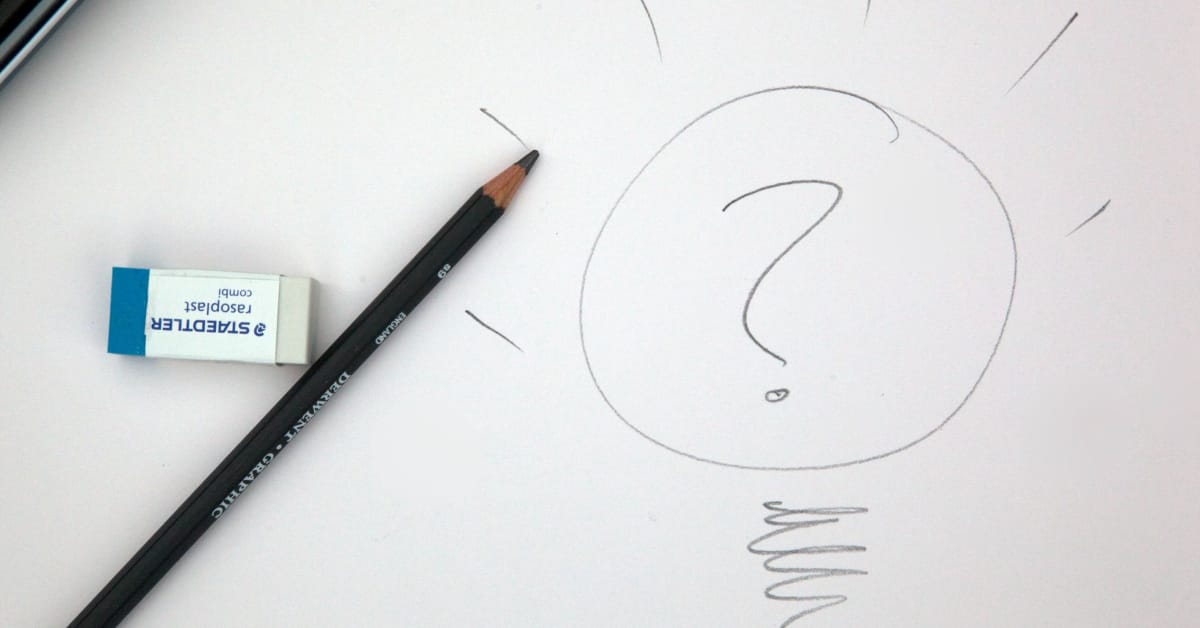
Whether you want to build a fulfilling career, find more passion in your life, or make time for your health and wellness, all examples of time management skills start with a single foundation: finding your purpose.
Your purpose is what drives you to do what you do. It’s what motivates you to get up in the morning and face the day. It’s what gives you the strength to keep going when things get tough. And it’s what keeps you focused on your goals.
Finding your purpose can be a challenge, but it’s worth the effort. Once you know what your purpose is, you can start to figure out how to best use your time to achieve it.
There are a few questions you can ask yourself to help you find your purpose:
 What are your values?What do you want to achieve in life?What makes you happy?What do you want to be known for?What difference do you want to make in the world?
Answering these questions can help you gain clarity on what your purpose is. From there, you can start to develop time-management skills that will help you achieve your goals.

“Where focus goes, energy flows.” The first step is getting clear on what it is you really want, and then aligning your ultimate goals with the actions you need to take today.
What are your goals? What do you want to achieve? What kind of life do you want to live?
Once you have a good understanding of your goals, it’s much easier to start taking the actions you need to take today in order to achieve them.
But what if you’re not sure what you want? Or what if your goals seem so far out of reach that you don’t even know where to start?
That’s where focus comes in.
@import url(“//fonts.googleapis.com/css?family=Roboto:400,400i,900,900i,700,700i,300,300i,500&subset=latin”);@media (min-width:300px){[data-css=”tve-u-05f99a23eb9fdc”]{background-color:rgb(255,255,255) !important;padding:1px !important;}[data-css=”tve-u-25f99a23eb9fe2″]{border-radius:5px;overflow:hidden;border:2px solid rgb(250,235,150) !important;background-color:rgb(249,240,187) !important;}[data-css=”tve-u-95f99a23eb9fe9″]{border:none;float:right;z-index:3;position:relative;font-size:48px !important;margin:0px !important;width:48px !important;height:48px !important;–tcb-local-color-icon:rgb(254,166,42);–tcb-local-color-var:rgb(254,166,42);–tve-icon-size:48px;}:not(#tve) [data-css=”tve-u-95f99a23eb9fe9″] >:first-child{color:rgb(254,166,42);–tve-applied-color:rgb(254,166,42);}[data-css=”tve-u-15f99a23eb9fe0″]{padding:30px 20px !important;margin-top:0px !important;margin-bottom:0px !important;}:not(#tve) .thrv-content-box[data-css=”tve-u-15f99a23eb9fe0″]:hover [data-css=”tve-u-35f99a23eb9fe3″] p,:not(#tve) .thrv-content-box[data-css=”tve-u-15f99a23eb9fe0″]:hover [data-css=”tve-u-35f99a23eb9fe3″] li,:not(#tve) .thrv-content-box[data-css=”tve-u-15f99a23eb9fe0″]:hover [data-css=”tve-u-35f99a23eb9fe3″] blockquote,:not(#tve) .thrv-content-box[data-css=”tve-u-15f99a23eb9fe0″]:hover [data-css=”tve-u-35f99a23eb9fe3″] address,:not(#tve) .thrv-content-box[data-css=”tve-u-15f99a23eb9fe0″]:hover [data-css=”tve-u-35f99a23eb9fe3″] .tcb-plain-text,:not(#tve) .thrv-content-box[data-css=”tve-u-15f99a23eb9fe0″]:hover [data-css=”tve-u-35f99a23eb9fe3″] label,:not(#tve) .thrv-content-box[data-css=”tve-u-15f99a23eb9fe0″]:hover [data-css=”tve-u-35f99a23eb9fe3″] h1,:not(#tve) .thrv-content-box[data-css=”tve-u-15f99a23eb9fe0″]:hover [data-css=”tve-u-35f99a23eb9fe3″] h2,:not(#tve) .thrv-content-box[data-css=”tve-u-15f99a23eb9fe0″]:hover [data-css=”tve-u-35f99a23eb9fe3″] h3,:not(#tve) .thrv-content-box[data-css=”tve-u-15f99a23eb9fe0″]:hover [data-css=”tve-u-35f99a23eb9fe3″] h4,:not(#tve) .thrv-content-box[data-css=”tve-u-15f99a23eb9fe0″]:hover [data-css=”tve-u-35f99a23eb9fe3″] h5,:not(#tve) .thrv-content-box[data-css=”tve-u-15f99a23eb9fe0″]:hover [data-css=”tve-u-35f99a23eb9fe3″] h6{color:rgb(52,73,94) !important;}:not(#tve) [data-css=”tve-u-15f99a23eb9fe0″]:hover [data-css=”tve-u-25f99a23eb9fe2″]{background-image:none !important;background-color:rgb(249,240,187) !important;border:2px solid rgb(254,166,42) !important;–tve-applied-background-color:rgb(249,240,187) !important;}:not(#tve) [data-css=”tve-u-95f99a23eb9fe9″]:hover >:first-child{color:rgb(254,166,42) !important;–tve-applied-color:rgb(254,166,42) !important;}[data-css=”tve-u-135f99a23eb9ff2″]{max-width:671px;float:right;z-index:3;position:relative;width:100%;padding:0px !important;margin-top:-2px !important;}[data-css=”tve-u-125f99a23eb9ff1″]::after{clear:both;}:not(#tve) [data-css=”tve-u-15f99a23eb9fe0″]:hover [data-css=”tve-u-95f99a23eb9fe9″] >:first-child{color:rgb(254,166,42);}:not(#tve) [data-css=”tve-u-145f99a23eb9ff3″]{font-size:24px !important;}[data-css=”tve-u-145f99a23eb9ff3″]{line-height:1.1em !important;}:not(#tve) .thrv-content-box [data-css=”tve-u-35f99a23eb9fe3″] p,:not(#tve) .thrv-content-box [data-css=”tve-u-35f99a23eb9fe3″] li,:not(#tve) .thrv-content-box [data-css=”tve-u-35f99a23eb9fe3″] blockquote,:not(#tve) .thrv-content-box [data-css=”tve-u-35f99a23eb9fe3″] address,:not(#tve) .thrv-content-box [data-css=”tve-u-35f99a23eb9fe3″] .tcb-plain-text,:not(#tve) .thrv-content-box [data-css=”tve-u-35f99a23eb9fe3″] label,:not(#tve) .thrv-content-box [data-css=”tve-u-35f99a23eb9fe3″] h1,:not(#tve) .thrv-content-box [data-css=”tve-u-35f99a23eb9fe3″] h2,:not(#tve) .thrv-content-box [data-css=”tve-u-35f99a23eb9fe3″] h3,:not(#tve) .thrv-content-box [data-css=”tve-u-35f99a23eb9fe3″] h4,:not(#tve) .thrv-content-box [data-css=”tve-u-35f99a23eb9fe3″] h5,:not(#tve) .thrv-content-box [data-css=”tve-u-35f99a23eb9fe3″] h6{color:rgb(27,119,179);}[data-css=”tve-u-15f99a23eb9fe0″]:hover [data-css=”tve-u-25f99a23eb9fe2″]{border:1px solid rgb(254,166,42) !important;}[data-css=”tve-u-15f99a23eb9fe0″]:hover [data-css=”tve-u-35f99a23eb9fe3″] p,[data-css=”tve-u-15f99a23eb9fe0″]:hover [data-css=”tve-u-35f99a23eb9fe3″] li,[data-css=”tve-u-15f99a23eb9fe0″]:hover [data-css=”tve-u-35f99a23eb9fe3″] blockquote,[data-css=”tve-u-15f99a23eb9fe0″]:hover [data-css=”tve-u-35f99a23eb9fe3″] address,[data-css=”tve-u-15f99a23eb9fe0″]:hover [data-css=”tve-u-35f99a23eb9fe3″] .tcb-plain-text,[data-css=”tve-u-15f99a23eb9fe0″]:hover [data-css=”tve-u-35f99a23eb9fe3″] label,[data-css=”tve-u-15f99a23eb9fe0″]:hover [data-css=”tve-u-35f99a23eb9fe3″] h1,[data-css=”tve-u-15f99a23eb9fe0″]:hover [data-css=”tve-u-35f99a23eb9fe3″] h2,[data-css=”tve-u-15f99a23eb9fe0″]:hover [data-css=”tve-u-35f99a23eb9fe3″] h3,[data-css=”tve-u-15f99a23eb9fe0″]:hover [data-css=”tve-u-35f99a23eb9fe3″] h4,[data-css=”tve-u-15f99a23eb9fe0″]:hover [data-css=”tve-u-35f99a23eb9fe3″] h5,[data-css=”tve-u-15f99a23eb9fe0″]:hover [data-css=”tve-u-35f99a23eb9fe3″] h6{text-decoration:underline !important;}:not(#tve) [data-css=”tve-u-175f99a23eb9ff6″]{font-size:18px !important;font-family:Roboto !important;font-weight:400 !important;color:rgb(52,73,94) !important;}[data-css=”tve-u-175f99a23eb9ff6″] strong{font-weight:700 !important;}:not(#tve) [data-css=”tve-u-165f99a23eb9ff5″]{font-size:19px !important;font-family:Roboto !important;font-weight:400 !important;}[data-css=”tve-u-165f99a23eb9ff5″] strong{font-weight:900 !important;}[data-css=”tve-u-65f99a23eb9fe6″]{max-width:12.4%;}[data-css=”tve-u-105f99a23eb9feb”]{max-width:87.6%;}[data-css=”tve-u-55f99a23eb9fe5″]{padding-top:0px !important;padding-bottom:0px !important;}[data-css=”tve-u-45f99a23eb9fe4″]{margin-bottom:0px !important;margin-top:0px !important;margin-left:-18px !important;}[data-css=”tve-u-85f99a23eb9fe8″]::after{clear:both;}[data-css=”tve-u-75f99a23eb9fe7″]{margin-left:0px !important;}:not(#tve) [data-css=”tve-u-95f99a23eb9fe9″]:hover{–tcb-local-color-icon:rgb(254,166,42) !important;–tcb-local-color-var:rgb(254,166,42) !important;}}@media (max-width:767px){[data-css=”tve-u-95f99a23eb9fe9″]{float:left;z-index:3;position:relative;padding-top:0px !important;margin-top:44px !important;}[data-css=”tve-u-85f99a23eb9fe8″]::after{clear:both;}[data-css=”tve-u-55f99a23eb9fe5″]{flex-wrap:nowrap !important;}[data-css=”tve-u-135f99a23eb9ff2″]{max-width:700px;float:none;position:relative;width:100%;z-index:4 !important;margin-top:-4px !important;margin-right:auto !important;padding-right:0px !important;padding-left:0px !important;margin-left:auto !important;}[data-css=”tve-u-125f99a23eb9ff1″]::after{clear:both;}[data-css=”tve-u-115f99a23eb9fef”]{–tve-font-size:1px;padding-left:7px !important;margin-left:4px !important;padding-right:0px !important;margin-right:-21px !important;}:not(#tve) [data-css=”tve-u-145f99a23eb9ff3″]{font-size:16px !important;padding-bottom:0px !important;margin-bottom:0px !important;line-height:1.65em !important;}[data-css=”tve-u-15f99a23eb9fe0″]{max-width:642px;padding-top:15px !important;padding-bottom:8px !important;}[data-css=”tve-u-35f99a23eb9fe3″]{min-height:1px;–tve-font-size:1px;–tve-line-height:8em;}:not(#tve) .thrv-content-box [data-css=”tve-u-35f99a23eb9fe3″] p,:not(#tve) .thrv-content-box [data-css=”tve-u-35f99a23eb9fe3″] li,:not(#tve) .thrv-content-box [data-css=”tve-u-35f99a23eb9fe3″] blockquote,:not(#tve) .thrv-content-box [data-css=”tve-u-35f99a23eb9fe3″] address,:not(#tve) .thrv-content-box [data-css=”tve-u-35f99a23eb9fe3″] .tcb-plain-text,:not(#tve) .thrv-content-box [data-css=”tve-u-35f99a23eb9fe3″] label{font-size:var(–tve-font-size,1px);line-height:var(–tve-line-height,8em);}:not(#tve) [data-css=”tve-u-175f99a23eb9ff6″]{font-weight:var(–g-regular-weight,normal)!important;–eff-color:rgb(52,73,94)!important;–eff-faded:rgba(52,73,94,0.6)!important;–eff-ensure-contrast:rgba(52,73,94,0.6)!important;–eff-ensure-contrast-complement:rgba(73,52,94,0.6)!important;box-shadow:none !important;border-bottom:none !important;background:none !important;text-decoration:none !important;animation:0s ease 0s 1 normal none running none !important;transition:none 0s ease 0s !important;padding-left:0px !important;–eff:none!important;–tve-applied-box-shadow:none!important;font-size:20px !important;font-family:Roboto !important;}:not(#tve) [data-css=”tve-u-175f99a23eb9ff6″]:hover{text-decoration:none !important;background:none !important;box-shadow:none !important;–tve-applied-box-shadow:none!important;}:not(#tve) [data-css=”tve-u-115f99a23eb9fef”] p,:not(#tve) [data-css=”tve-u-115f99a23eb9fef”] li,:not(#tve) [data-css=”tve-u-115f99a23eb9fef”] blockquote,:not(#tve) [data-css=”tve-u-115f99a23eb9fef”] address,:not(#tve) [data-css=”tve-u-115f99a23eb9fef”] .tcb-plain-text,:not(#tve) [data-css=”tve-u-115f99a23eb9fef”] label{font-size:var(–tve-font-size,1px);}:not(#tve) [data-css=”tve-u-165f99a23eb9ff5″]{font-size:20px !important;font-family:Roboto !important;}[data-css=”tve-u-35f99a23eb9fe3″] h1{padding:0px !important;margin:0px !important;}}
Focus is the key to achieving anything you want in life. It’s the difference between taking action towards your goals and just sitting around wishing things would change.
If you want to achieve something, you need to focus on it. You need to put your attention and energy into making it happen.
The more focused you are, the more likely you are to achieve your goals. And the more you achieve your goals, the more confident and capable you become.
So if you’re feeling lost or stuck, remember that all it takes is a little focus and some action to get things moving in the right direction.

Now that you have your focus, the next step is to look at your goals. Setting goals is a necessary step to achieving success, but it’s not always easy to create effective goals.
The best goals are SMART goals: specific, measurable, achievable, realistic and anchored within a time frame. Be clear about the outcome you plan to achieve and designate the time needed to achieve your goal.
Creating SMART goals can help increase your motivation, focus your efforts, and give you a greater sense of control over your progress. But before you start setting goals, it’s important to understand the different types of goals and how they can impact your motivation and likelihood of success.
There are four main types of goals:
Outcome goals: These are goals that are focused on the end result, such as losing weight, earning a specific amount of money, or finishing a project.Process goals: These are goals that focus on the steps you’ll take to achieve an outcome, such as exercising for 30 minutes every day or eating healthy meals.Performance goals: These are goals that focus on improving your performance, such as running a certain time or lifting a certain amount of weight.Behavioural goals: These are goals that focus on changing your behaviour, such as quitting smoking or spending less time on social media.
No matter what type of goal you’re setting, it’s important to make sure it’s SMART.
Once you’ve created your SMART goal, it’s important to create a plan of action. This will help you stay organized and focused as you work toward your goal.
Here are a few tips for creating a plan of action:
Divide your goal into smaller goals: This will allow you to focus on one task at a time and make it seem less daunting.Set a deadline for each goal: This will help you stay on track and motivated.Create a daily or weekly action plan: This will help you stay organized and focused.Find an accountability partner: This will help you stay on track and accountable.
Achieving your goals takes time and effort, but it’s worth it. Setting and achieving goals can help you boost your confidence, improve your sense of control and increase your overall happiness.
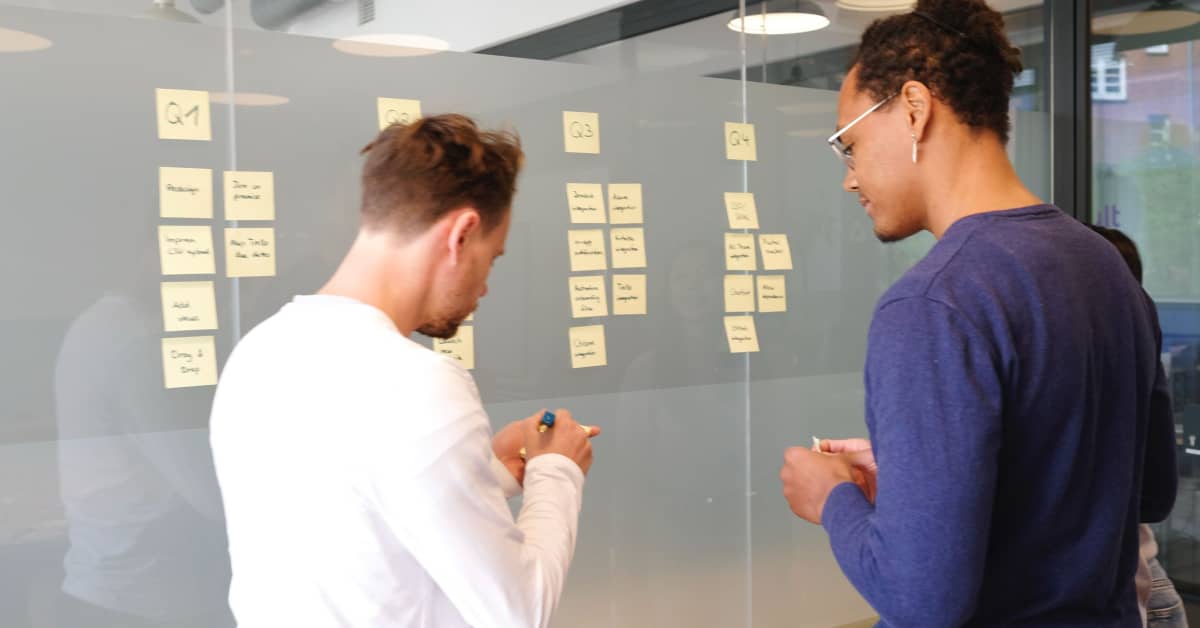
It’s tough to stay on top of everything. You’ve got a million things on your plate, and it feels like if you don’t get them all done, something bad will happen. So, how do you know where to focus your energy in order to get the results you want?
The answer is to track your activities for two weeks and take note of which of your core values they connect with.
Your core values are the things that are important to you and guide your decision-making. By understanding which of your actions connect with your core values, you can start to prioritize what’s important to you and focus your energy on the things that will help you achieve your goals.
To get started, make a list of your core values. These can be anything from “family” to “adventure” to “helping others.”
Once you have your list, start tracking your activities for two weeks. Every day, write down what you did and which of your core values it connects with.
At the end of the two weeks, look at your list and see which activities connected with your core values most often. These are the things that are most important to you and deserve your focus and energy.
Prioritizing your time and energy can be tough, but by understanding which of your actions connect with your core values, you can start to make decisions that will help you achieve your goals.

As an entrepreneur, you are constantly pulled in a million different directions. You have to wear a lot of hats and juggle a lot of balls. It’s easy to get overwhelmed and bogged down in the details.
One of the most important things you can do to save time and energy is to learn to delegate. Outsourcing tasks is a critical skill that every successful entrepreneur and Fortune 500 CEO has to master.
When you delegate, you are essentially hiring someone else to do a task for you. This can be anything from hiring a virtual assistant to handle your email to hiring a web designer to create your website.
The key to successful delegation is to find someone who is reliable and whom you can trust to do a good job. Once you find that person, it’s important to give them clear instructions and then let them do their job.
If you try to micromanage every task, you will quickly become bogged down and frustrated. But if you learn to delegate, you will free up your time and energy to focus on the things that are most important to you.
There are a few key things to keep in mind when delegating tasks:
Be clear about what needs to be done. When you delegate a task, be sure to provide clear instructions on what needs to be done. The more specific you can be, the better.Choose the right person for the job. Not everyone is suited for every task. When delegating, be sure to choose someone who has the skills and ability to complete the task successfully.Set clear expectations. Be sure to set clear expectations for the person you’re delegating to. This includes deadlines, deliverables, and any other important details.Provide feedback. Once the task is completed, be sure to give feedback, both positive and constructive. This will help the person you delegated to learn and improve for future tasks.
So, if you’re feeling overwhelmed, take a step back and ask yourself if there are any tasks you can delegate to someone else. You may be surprised at how much of a difference it can make.

The five simple time management skills mentioned in this article can help you complete tasks quickly and efficiently.
However, these are just some of the many time-management skills that you can use to improve your productivity. There are many other time-management skills that you can learn and use to your advantage.
Experiment with different time management techniques and find the ones that work best for you.
If you really want to know more about the power of time management, then check out the featured resource below for a free report; download, read it and take action 


We all have goals. We all have ambitions. We all have things that we’d like to have happen in our lives. The good news is that all of those goals, ambitions and positive occurrences are possible.
All we have to do to achieve them is start doing the work that needs to be done in order to make them real.
You need to begin seizing the day and using your time productively so that you begin building the future that you want to live in.
The leadership guru John Maxwell once said that “You’ll never change your life until you change something that you do daily. The secret of your success is found in your daily routine.”
This article is all about helping you to establish “power habits” in your daily routine that will allow you to crank your productivity to eleven.
Adopting some or all of these habits and incorporating them into your day-to-day schedule will crank you into overdrive. You’ll not only begin reaching your goals, you’ll also begin reaching them sooner than you ever thought possible.
When you get up earlier than normal two things happen. First, you have more time in you day to get more things done. Productivity is all about accomplishing tasks. The more hours that you have to play with, them more likely it becomes that you’re going to initiate and complete projects.
Study after study has shown that the most personally productive hours in the day occur before noon. It all has to do with natural body rhythms and cycles. So, when you get up earlier you not only have more time to get stuff done, you also have more energy. It’s a productivity win/win.
Ok, you should have a schedule of what you want to accomplish on any given day. (If you don’t, then start using one.) In order to make the schedule as effective as possible, you need to be places, take phone calls and generally do things on time, as you scheduled them.
Make an effort to be punctual. Get to appointments, meeting and phone calls on time. The more punctual you are, the more you’ll get done.
Besides food and water, your body only has two other absolute needs – sleep and exercise. When you don’t get enough rest, you cannot maintain the mental energy levels that are required for you to be optimally productive.
Make sure that you put enough time aside for adequate amounts of both sleep and exercise. If you do, you’ll find that you have more energy and more energy equals greater productivity.
All positive behavior is nothing more than habit. When you perform a positive action over and over it becomes habitual. You continue making the positive action without even thinking about it. In addition, one positive habit will lead to other positive behaviors which, over time, will also become habitual. That’s why developing keystone habits are so important to increased productivity.
This effect can be enhanced by layering one keystone habit on top of another. So, you not only make your bed every day, you also make it a habit to rinse and stack your breakfast dishes in the sink or put them in the dishwasher.
The point is that when you routinely do what needs to be done, you start to develop a habit of treating everything that you do in a similar way. The end result is that your productivity soars.
One of the major drains on productivity is simply not knowing where to direct your attention. Let’s face it, each day we are faced with information overload. We get phone calls, e-mails, text messages and more.
We use apps that are supposedly designed to make our lives easier, but instead start to compete for our attention by adding their reminders to the mix of information that is already bombarding us.
One of the best ways to combat this problem is with a daily plan. When it comes to any task, ask yourself “What is this?”, “Why am I doing it” and “What do I want to get out of it?”
Simply posing these questions to yourself prior to doing anything will allow you to begin to prioritize what truly needs to be done and eliminate what truly is a time waster. Again, the end result is greatly increased productivity.
There is a tendency to want to remain plugged in and on top of all communications simply because we can. However, to do so is a major mistake. One of the key ways to remain optimally productive is to know when to take it easy and not be productive at all.
You need to give yourself enough time to recharge and rejuvenate. You cannot be fully productive when your batteries are drained and you have nothing left to give. Remember to walk away from all of your tasks on a regular basis.
This means no checking your phone for messages, no answering e-mails, and no quick phone calls. Your time away is sacred. It is key to you being truly effective at what you do. Treat it as such.
In order to be fully productive, you have to be focused on the task at hand. However, in today’s always connected, modern world maintaining focus is increasingly difficult. Studies have shown that, on average, we are only able to concentrate on a given task for three to five minutes before being distracted by social media, e-mails or other things that interfere with concentration.
The secret to keeping focused on what you’re doing is by removing the sources of those distractions. Because social media is one of the biggest culprits, it’s important to install safeguards that allow you to resist the allure of checking for updates on social media sites again. There are now apps that will completely block your ability to access certain sites for specific periods of time.
The less distracted you are, the more you can maintain your focus and the more productive you become.
Each of us spends a great deal of time in the space where we work. Now, that might be a physical office at a remote location or it might be a room or corner in your residence that has been reserved for that purpose.
No matter where your “office” is located, it needs to be inviting, comfortable and welcoming. It has to reflect your personality and your style.
Make sure that the furnishings are comfortable. A desk may be a necessity, but it doesn’t have to be uncomfortable. The same thing goes for a chair. Use a chair that makes you feel that your glad you sat down in it.
Lighting, art, music and color all have an appropriate place in your office. Imagine how your productivity will skyrocket when you actually enjoy being in your workspace.
Want to learn more about increasing efficiency and productivity? Then check out the featured resource below to grab a free report; download, read it and take action 😊

