
Content Marketing
How Can I Start Blogging?
How Can I Start Blogging?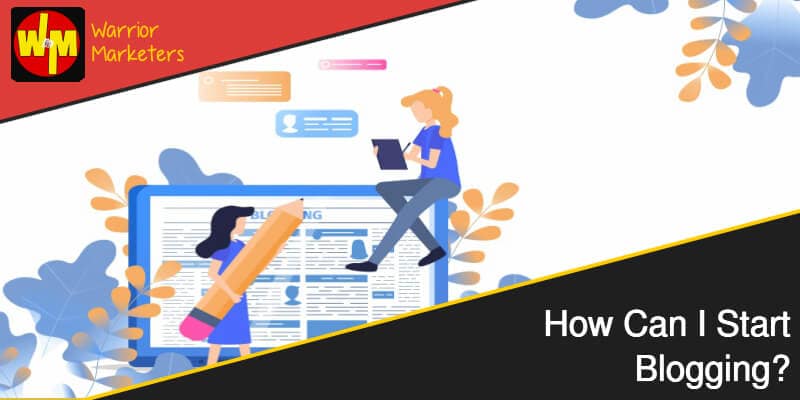
So, you have decided to use a blog to help you with building your business, expert status and brand awareness. Good for you; this is a wise decision.
However…
Here’s the truth about 6-figure blogging:
While blogging can be automated (eventually), you shouldn’t expect income to be passive from the beginning; this is simply unrealistic and a mistake that many aspiring entrepreneurs/bloggers make. You’ll have to work at it, especially when you are just starting out and trying to launch your blog and build a platform that you want to be recognized for in your market.
While I eventually outsourced a lot of my content to skilled writers, I still spend time evaluating advertising options, reviewing products that I can promote, building my mailing list and creating ad campaigns to boost traffic and keep my blogs in the forefront of my audiences’ mind.
The point I am trying to make is, while you can delegate many tasks to a team, such as content creation and even marketing, you will want to be directly involved in the initial building phase.
This is your brand, after all.
You need to make sure every piece of content has your voice, carries your message and represents your business in the best possible way.
No one will ever be as careful and professional with building your blog as you will be, right? So, dig your heels in and commit to spending the first few months building your blog from the ground floor up.
Then, and only then, should you begin to think about creating a team that will help you manage your blog and eventually, expand into other avenues with other niche-based blogs (if you choose to do that).
Again, you really need to understand that blogging is not a hands-free method of making money during the INITIAL stages. You must be prepared to put in some time and effort if you truly want to succeed.
But the good news? Your hard work will pay off.
So, how can you start blogging? Well, it is very simple to start and there are 5 distinct phases to getting your new blog up and running.
The 5-Step Formula

Like I said, setting up a blog isn’t difficult and can be done by pretty much anybody. Yes, there is a bit of “tech” involved but it isn’t too hard to work out yourself (Google can be your friend if you do get stuck).
While there are countless reports and articles that over-complicated the process of making money with blogging, here’s a basic overview of how it’s done:
1: Create a blog and register a memorable domain.

Avoid remotely hosted options. You need to be in full control of your website so you can take advantage of all the different revenue options with no limitations (or other people’s advertisements). You need to buy hosting and you have a number of options (such as A2 or Siteground) so shop around for the best deals. You will also need to pick and buy a domain name and I suggest Namecheap for these. WordPress is the most popular blogging platform by far as it is free and incredibly customizable by the use of plugins and themes. My favourite theme is Socrates (it is a paid theme, but it is so versatile and quick and you will always get much better support with a paid theme as opposed to a free one, but the choice is yours).
2: Write (or outsource) killer content that will generate traffic.

This content needs to be extremely high-quality, targeted and informative. All meat, no veggies.
A good place to find writers is Iwriter and the thing I like about it is that you can see the article first before paying, so if you don’t like it you can reject it.
3: Convert your visitors into email subscribers so you can build your list.

A newsletter is key in building a successful blog online.
Scratch that; a newsletter is essential to be successful in nearly ANY market online. You will never make as much money without one.
Use a plugin or tool such as Thrive Leads or Conversion Gorilla to add sign-up forms and pop-up boxes to your blog.
4: Communicate with your subscribers regularly.

Build rapport and trust. Nurture relationships with your market. This is where you can build a recognized brand as an authority in your market and set yourself apart from the competition (especially those bloggers who aren’t doing this!). To do this you will need an email autoresponder. Popular ones include Aweber, Get Response, and my personal favorite, Active Campaign.
5: Sell products and services to your audience

This is a key strategy for monetizing your blog and also your newly cultivated newsletter. If you want to start with affiliate marketing, you can look for products and services in your niche and see if they have affiliate programs and sign up for them.
If you are in the Internet Marketing or Make Money Online niche, you can sign up for an account at places such as Clickbank, Warrior Plus and JV Zoo and promote a number of products from a host of vendors.
Just be sure that if you are going to promote something, that you either use it yourself, or you have tried and/or reviewed it and you believe it to be worthy of your audiences hard-earned cash.
NEVER promote something just for the money because if you promote something that is poor quality, you can quickly lose the trust of the people you are serving.
So, those are the 5 steps in a nutshell.
Sounds easy enough, right? It is. But it will take time.
The key is to be patient in the initial stages, and once you are up and running, you need to be consistent.
Just keep on going and eventually you will start to see some traction and this will give you a little bit of motivation to keep going.
When blogging, you are in it for the long term; it is not a quick win strategy. But you will build authority in your niche and could become the go-to person when somebody has a problem, and that is a great place to be.
Good luck… now go buy that domain name…

How To Make An Ebook Fast
Content marketing for 2019 and beyond is really hot and only going to increase. Creating quality content regularly and quickly can be a real challenge, so it is important to work smart and ensure that any piece of content you create is made to work for you in a number of ways.
You can create video and audio from your blog posts, articles and emails and vice versa so you can allow your website visitors to consume your content in whichever medium they prefer.
The thing is, having an eBook with your name on it is an incredibly impressive business card and adds kudos and credibility to you within your niche.
So, what is stopping you from writing your own eBook? And how do you make an eBook fast?
Are you stuck for content? Well, if you’ve been writing blog posts and articles for any length of time, think again! And here is how to create an eBook fast in 5 steps.
Create Your eBook From Existing Content

As well as re-purposing content into blog posts, video, audio etc. you can also use them to create an eBook.
Want a quick lead magnet? Find 1-3 quality blog posts on that topic and use them to create a short report that you can give away in exchange for an email address.
Add a few more posts to your eBook and you could easily have a low-cost but high-value “tripwire” offer on your hands.
I think that we often tend to over-complicate these things, but it doesn’t have to be difficult. As long as you are creating content that is of interest to your audience, this tactic of collating blog posts is a very quick way of creating a good quality eBook that you can either sell or give away.
Write a brief introduction to tell them what the eBook is about and what they can be expected to learn and the valuable take-aways after reading it.
Now, all of this can be done with something like Microsoft Word, but if that feels like it may be overwhelming, then you can use a fantastic tool called Designrr. This is designed to create stunning lead magnets and content upgrades from your existing content super quickly and is well worth checking out.
Monetise Your eBook

If you are recommending tools, products or services make sure that you are using your affiliate link if they have an affiliate program. That way you may be able to monetize your eBook to by recommending good tools that you know will help them.
Design Your eBook With Stunning Visuals

If your blog posts or articles have images make sure they are incorporated into your eBook to make it even sexier. If you don’t have graphics, then use tools like Youzign (paid) or Canva (free) to add images. If you want to use high-quality stock photos, you can either use sites such as DepositPhotos (paid) or Unsplash and Pixabay (free).
You may also want to incorporate more design elements into your eBook to make it stand out from most boring white pdf’s. You can add background images, watermarks and headers/footers with links to your website to help with your branding.
As I have said before, all of this can be done with something like Microsoft Word, but can feel a little overwhelming, so do take a look at Designrr as it has been specifically designed to quickly create beautiful looking pdf’s from blog posts, articles and Word documents and it is very quick and easy to use.
Creating Your eBook As A PDF

Once you have finished designing and formatting you can create your pdf. This is the simplest way to publish your eBook. It’s an easy step to overlook, but extremely important that you don’t.
Exporting your eBook as a pdf will ensure that your content and format cannot be edited by other users. If you fail to convert an editable document into an uneditable one, your content can be distorted or misused by visitors. It is pretty simple nowadays to create a pdf version of an eBook. If in Word you can “save as pdf” and if you are using Designrr, that will generate the pdf for you too.
Marketing Your eBook

OK, now you have your eBook. The final part is to promote it.
After all, you’ve put a lot of time into writing, editing, and designing your eBook, but if you don’t promote it, no one will read, or even see, your eBook.
Squeeze/Sales Page
Creating a squeeze page is vital so you can send people to it and capture their email address in return for your eBook. If you are selling your eBook then you will need to create a simple sales page with a buy button linked to a payment processor such as PayPal so you can take payments.
There are many page builders out there to suit any budget. My personal favourites include Convertri and Click Funnels. They all have free trials, so you can try them out to see which works best for you.
If you are using WordPress for your website, your theme may include various templates for creating squeeze/sales pages. Good examples include Thrive Themes, Socrates and OptimizePress 2.0.
Social Media
Social media is a fast and easy way to promote your eBook and is pretty much an absolute must these days.
Take snippets and quotes from your eBook and post then on FaceBook and Twitter. Maybe create an image with a quote and post this on Instagram and Pinterest.
The possibilities are endless, only limited by your imagination.
So be creative and schedule regular posts to spark interest in your eBook. Be sure to provide a link to your eBook in these posts so viewers can easily access it.
Tip: Learn how to pin a Tweet on Twitter and then pin your eBook at the top of your Twitter profile to maximize exposure.
OK, there you have it. A complete strategy to create an eBook super quick by using content you have already created. Writing an eBook from scratch may appear to be overwhelming, but by using content you have already created, this makes it so much easier. And by using a tool like Designrr to pimp your eBook, you are virtually guaranteed to stand out from the rest of the mundane same-looking eBooks out there.
So, get cracking and you’ll have an eBook that’s engaging, sparks conversation, and totally rocks in no time at all.
Content Marketing Explained: How To Write Content That Converts!
If you’re just getting started in blogging, it’s easy to get frustrated when you don’t see immediate results. But like anything, it can take a little time to get things rolling. It’s important to be patient in the beginning, because the quickest way to fail is to give up too soon!
When it comes to successful blogging, consistency is key.
Fortunately, there are simple, yet effective ways to dramatically increase the amount of traffic, subscribers, and revenue from the start, while also decreasing the time and energy spent managing your blog.
There is no better way to stay motivated and focused than by seeing results from your hard work, and that is exactly what you’re going to experience when you follow the techniques below.
Blogging is ALL about content and you must be producing content on a regular basis. You should ideally be producing 1-2 blog posts per week, but if that is too much to begin with, then aim for at least one per month.
And make sure that this is good, high-quality content that people would be willing to pay for. This should be some of your best stuff.
It goes without saying then, that regardless of your niche, you’ll want to write content that solves a problem and helps your reader achieve their goals.
When creating content for your blog, you want to focus on 2 things:
- Educate
- Empower
Every post on your website should do one or both of these things.
If you are writing how-to style posts that provides readers with a step-by-step process to completing a task, or accomplishing a goal, you are educating. If you write a blog post that offers insight such as a personal story of success, case studies, or motivational-style posts, you’re empowering your audience.
Another thing to consider when writing content for your blog is to focus on evergreen content. That way the content you post today should still be relevant months from now because it doesn’t become outdated quickly. This will cut down on the time you spend rewriting or revising content and prevent you from having to remove content that no longer provides value.
Start by jotting down links to the top 10 authority blogs in your niche market, and then spend a bit of time evaluating the type of content they are offering, especially posts that have a high level of engagement.
Look for things like:
- Commonly asked questions posted by your target audience.
- Posts with a high number of comments or likes.
- Posts with the highest number of social shares.
High quality, informative and unique content is the key to your blog’s success. It’s what forms the foundation for your entire business, but it also is the driving force behind turning that traffic into subscribers.
Focus on building high quality content pages on your blog before you do anything else. You should aim to have 4-5 pillar posts before you start to drive traffic to your site. That will give your visitor’s enough reason to return to your site and to leave a positive impression in the mind of your target audience.
 When it comes to the length of your content, search engines prefer longer blog posts that provide informative, original content, so try to write posts that are at least 1000-1500 words in length.
Think this is difficult to do?
It’s really not. Start out by creating an outline for every post and then add in images, bullet points and sub-headers that break up the content into digestible sections and keep readers glued to the page.
Whenever possible, try to write how-to or step-by-step style posts. Not only are they easier to write, but they’ll provide actionable information that your readers will love. Lists are another quick and easy way to produce a high value post that will help your readers.
Don’t be afraid to link to other bloggers! Not only is this a great way to provide additional value by guiding your readers to other resources that may help them, but it’ll make it easier for you get on the radar of authority bloggers in your niche market.
The goal is to impress your readers so much that they return to your site again and again because they know you provide value, and are a reliable source of information.
If you don’t want to solely rely on organic traffic, you can easily use some paid advertising (best via Facebook or Google Ads) to drive people to your best blog posts.
 If you are doing this, then you definitely want a call-to-action on the blog post in question. In fact, I would go as far to suggest that ALL your blog posts should have some call-to-action in them. This could be to sign up for updates, go to a squeeze page or sales page, or to click on affiliate links in your post.
Get your content marketing plan right and you can make a serious amount of money by producing high-quality, high-value content that really solves a problem for your audience, and by adding a good call-to action, you can grow your subscriber list and monetize your hard work.
Start your content marketing plan today and see what happens; hopefully you will be very pleasantly surprised.
In the next post, we will look at choosing your primary traffic source, so until then…

Why You Should Be A Content Creator And Not A Marketer
Labels are important. Most important are the ones that we give ourselves. How you define yourself will color the way you see yourself, and this in turn is going to influence the way that you interact with others, your happiness, your confidence and much more about you.
This is particularly true for people who are entrepreneurs and internet marketers. If you’re someone who works online, then you will be doing something that isn’t easily defined and that many people won’t really understand. What is it you do again? How do you make money without leaving the house??
And it also changes the way you feel about the work you do and the kind of path that you will end up pursuing.
But here’s a thought; have you ever considered shifting the way you describe yourself away from ‘internet marketer’ to ‘content creator’ instead?
Yes? No? Well here are a couple of reasons why you should be a content creator and not a marketer.
What’s in a name?

You might be wondering how you can just go ahead and change your label if you’re still doing the same job. Isn’t a content creator something entirely different from a digital marketer?
Well, not really! In all honesty, they are essentially the same, but the perception is very different.
These days, content marketing is the most effective option for any brand wanting to increase its visibility and status online.
And if you’re a content marketer who creates articles and videos for a blog, then chances are that you have the precise same goals as the marketers: getting your content seen.
The only difference is that a content marketer is someone who puts the ends first, whereas the content creator puts the quality content first. They put the value first. The content creator builds a brand and then promotes that brand with great multimedia content.
The marketer on the other hand looks at the market and asks how they can make money…
Why being a content creator is better for you

The thing is, the content creator – ironically – actually often makes more money.
That’s because they have a brand they believe in and they are putting more work into their content.
Both these things are not lost on readers who will end up wanting to spend more money as a result. And thanks to Google’s more recent changes, they’re not lost on the search algorithms either…
Then there’s the fact that content creators are happier. Why? Because they are working on something they love.
If you’re going to avoid letting this crush you and make you miserable, then you better ensure that you are doing it for the love and not because you have to!
Think about all the most wealthy and famous people online. How did they get there? From pedaling ‘make money’ eBooks? Or by creating an amazing YouTube channel and sharing a vibrant personality and talent for writing and production?
Content creation and marketing go hand in hand and rely heavily on each other, but by labeling yourself as a content creator rather than a marketer will change peoples perception of you, but perhaps more importantly, it may change your perception of yourself and that is priceless!
Content Curation Tips
Content Curation Tips
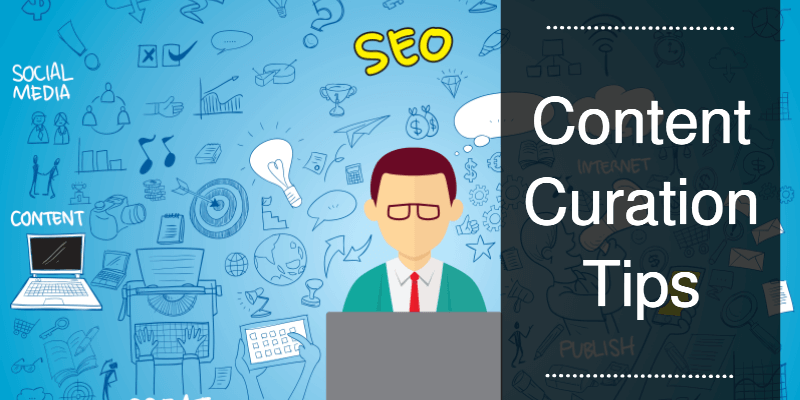
Whether or not you created or curated the content for your website – YOUR #1 goal was to attract and retain readers. Getting and keeping readers is the name of the game! It doesn’t matter if you use your website to sell your own products and services, or if you sell affiliate products. It doesn’t even matter if you profit from advertisers like Google Adsense.
All of the content you utilize will help you attract new readers – but without a retention strategy (even if your content is awesome) it will be difficult to get your readers to come back again and again. There is simply too many other distractions on the internet to build a following of loyal readers without implementing a proven readership retention strategy.
There are many proven readership retention strategies that you can choose from, which will prompt first time readers to come back to your website again and again.
I’d like to discuss one of those strategies in greater detail today…
The List:
Even before social media, bloggers and marketers learned to harness the relationship building power of “The List” to grow their audience and profits.
A simple “What’s New!” email from you sent out to a vast list of subscribers will boost the exposure of any new article on your website exponentially! You surely follow some of your own favorite topics – thanks to reminders sent via emails that are sent to your inbox.
Everyone does!
For example, I like to follow the progress of the “Solar Impulse” – the record-breaking solar powered airplane. I first learned about “Solar Impulse’s website” via a news article and was intrigued by the team’s solar powered flight endeavors. However, after not hearing anything about them for quite some time after they crossed the continental US I began to wonder what was happening to the team. HAD THEY CRASHED?
Worried, I did a quick Google Search, but I could not remember the name of the plane. Google search sent me in a million different directions – and it was only by chance that I discovered their website again. http://www.solarimpulse.com/
THAT EXACT SAME THING COULD HAPPEN TO A FAN OF YOUR WEBSITE! ONLY THEY MAY NEVER FIND YOUR WEBSITE AGAIN!
Thankfully, now I am signed-up to the Solar Impulse newsletter. Now, I can keep track of these aviation pioneers in my spare time by opening and clicking on their latest link at my leisure – from my inbox! I have revisited their website many times since then – all thanks to their email reminders!
However, you may find that collecting email addresses from first-time readers – is no walk in the park! For example, I rarely give my email address to anyone because I don’t like getting spam any more than you do!
There has to be a very good reason for me to give away my email address. You probably feel the same way – and agree that most people do also.
That is why most successful websites will offer something special to potential subscribers (a bribe) just for signing up to their list. If you create the perfect bribe, you’ll have no problem attracting subscribers – and your list will grow like the weeds in my backyard!
What is the perfect bribe? It’s anything people believe is worth giving you, their personal email address to get! It could be…
- An Informational eBook or Report
- A Newsletter
- A Coupon Code
- Instant Access To Private Content
- A Secret Link, etc. Many things can make for the perfect bribe!
However, you are not done – once you have created the perfect bribe. You also need a system that…
- Showcases The Value Of Your “Bribe”
- Collects Emails
- Delivers The Bribe
- Thanks Your New Subscriber For Signing Up!
Most importantly, this system needs to work INSTANTANEOUSLY and AUTOMATICALLY!
If you make people wait to receive the gift they have been promised, you can bet they will not readily become your #1 fan! That’s why to collect emails you must use an AUTOMATIC landing page system. Once upon a time, I would hire a graphic designer and together we would code an automatic landing page system from scratch. …Or I would buy an off-the-rack landing page software to create the landing page system. However, since the advent of HTML5 and with more and more people using different devices like phones, tablets, etc. to visit my landing pages – I’m finding it increasingly difficult make these pages work properly. That’s why I was delighted to discover the online landing page app:

Landing Page Monkey’s landing pages…
- Work on all browsers and devices
- Don’t require me to buy or host another website
- Doesn’t require me to write html/css code
- Looks great, and is fully brandable and customizable!
Why not visit the “Demo” link at the website link I’m giving you below to see some of the example landing pages that this app has created. warr.us/LandingPageMonkey
While you’re at that website looking at demo pages, why not grab some of the giveaways they are offering? If you do, then you can watch how the entire process works and get a bunch of awesome gifts! In addition, while you are collecting all of those gifts it will help you to realize how you could have landing pages just like these awesome working examples! You’ll also see how these landing pages could help you build your list automatically!