Tutorial

why habits are important

Why Habits Are Important

Why Habits Are Important

Have you ever asked yourself these types of questions: “Can habits change your life?” or “What are the benefits of good habits?

If you are like most success hungry entrepreneurs, then I guess the answer is a resounding “Yes!” We all want to be more successful and developing positive habits can help us to achieve that success.

So, why are habits important to your success in life?

If you look at the most successful people in their fields, they will all have something in common. They have a success mindset, are willing to take calculated risks and have certain habits or routines that help them to overachieve.

If these highflyers are using the power of habits, don’t you think you should do too?

Of course you should! Habits give you structure and can help you to keep going when things get tough. They can become so ingrained that nothing will stop you from completing certain habits.

That being said, it is pretty obvious that you need to create simple, daily habits that will impact you positively. And if you have any negative habits, you need to recognise them and eliminate them from your life.

But what exactly is a habit? Well, a habit is something you do daily without thinking much about it. You probably have a habit of waking at a certain time, brushing your teeth a certain way, and perhaps calling your parents once a week on a Thursday evening.

Habits become such a part of your routine that they become who you are. Want to be a different person? Just start a new habit!

And the good news is that you can change your habits or create new ones. It must be said that it can be very difficult to break old habits, especially if you have been doing them for years, but if they aren’t doing you any good, it is time to ditch them!

Good habits will help you to achieve more in life and to reach your goals, so let’s look at building and stacking a daily routine that will fire you up and help you to achieve more in your life!

How To Build A Daily Routine With Habit Stacking

There are morning routines and evening routines that perhaps are habit-based already for you. You may get up, eat breakfast, shower, brush your teeth, and depending on how early you get up; exercise may be in the morning routine as well.

Habit stacking works by looking at what you do automatically and then add/stack a micro habit to it. Author Steve Scott wrote a book called “Habit Stacking: 97 Small Life Changes That Take Five Minutes Or Less.” The key is right there in the title…five minutes or less. That is tiny habits at its best.

In creating daily routines, you identify what you already do that is good and then attach a tiny habit to it. For example, if you do a few minutes of yoga in the morning, you can stay on the mat and do five minutes of meditation. After that is complete, you can do four minutes of visualization, and to finish it up, do three minutes of deep breathing.

This is very similar to Tony Robbins’ 4-part morning routine, which is four tiny habits, one right after the other.

To create a habit-stacking routine, Steve Scott advises that you look at your day and come up with times and locations as your prompts. It would like this:

– Once I wake up, I will…

– Once I start work, I will…

– Once I have a break or lunch, I will…

– Once my work is complete, I will…

– Once I finish dinner, I will…

– Once I hit the gym, I will…

– If I travel, I will…

These are examples and adjustable as not everyone goes to the gym or travels for work or vacation.

Make sure to have a good reason why you want to stack the habits you have picked out. A big why is essential for any habit or goal, or you will not put in the necessary time to do it.

Steve Scott believes that you should only work on one routine because of the willpower required to do it. It is easy to get distracted, and working on two or three routines at once, would require more focus and willpower than the average person can truly say they have.

Once you have a routine filled out, spend one month installing these new tiny habits stacked upon each other. Repetition is key; you will need to do the same actions repeatedly for 21 to 30 days to make the new habit stick.

As mentioned, Steve Scott came up with 97 tiny habits you can stack into different areas. He broke down the areas of your life to focus on like this:

– Leisure (Your days off and your vacation time)

– Organization (Keeping the house clean, organized, and decluttered, along with your workspace)

– Finances (Making and saving money. Reducing debt)

– Productivity (Finding your best working hours and getting tasks done on time)

– Spirituality (Connecting with the earth and your Creator)

– Health and Fitness (Your mental and physical well-being, including what you eat and how you exercise)

– Relationships (Developing loving relationships with family and friends. Getting along with co-workers)

Let’s look at a daily routine for relationships using habits stacking.

We will use the dinner hour as our example.

– When we prepare dinner, I will ask about their day.

– When we sit down to eat, I will say how grateful I am for not only the food but having them in my life

– During the dinner, I will put away my cell phone and focus on what they say

During clean-up, I will touch my partners’ lower back to make a physical and emotional connection.

– After dinner, I will take their hand, and we will walk around the block while I express my love

Just like goals, being accountable will help you to succeed. Tell people what your stacked habits are, and if they see you miss a step, they can remind you what you need to do.

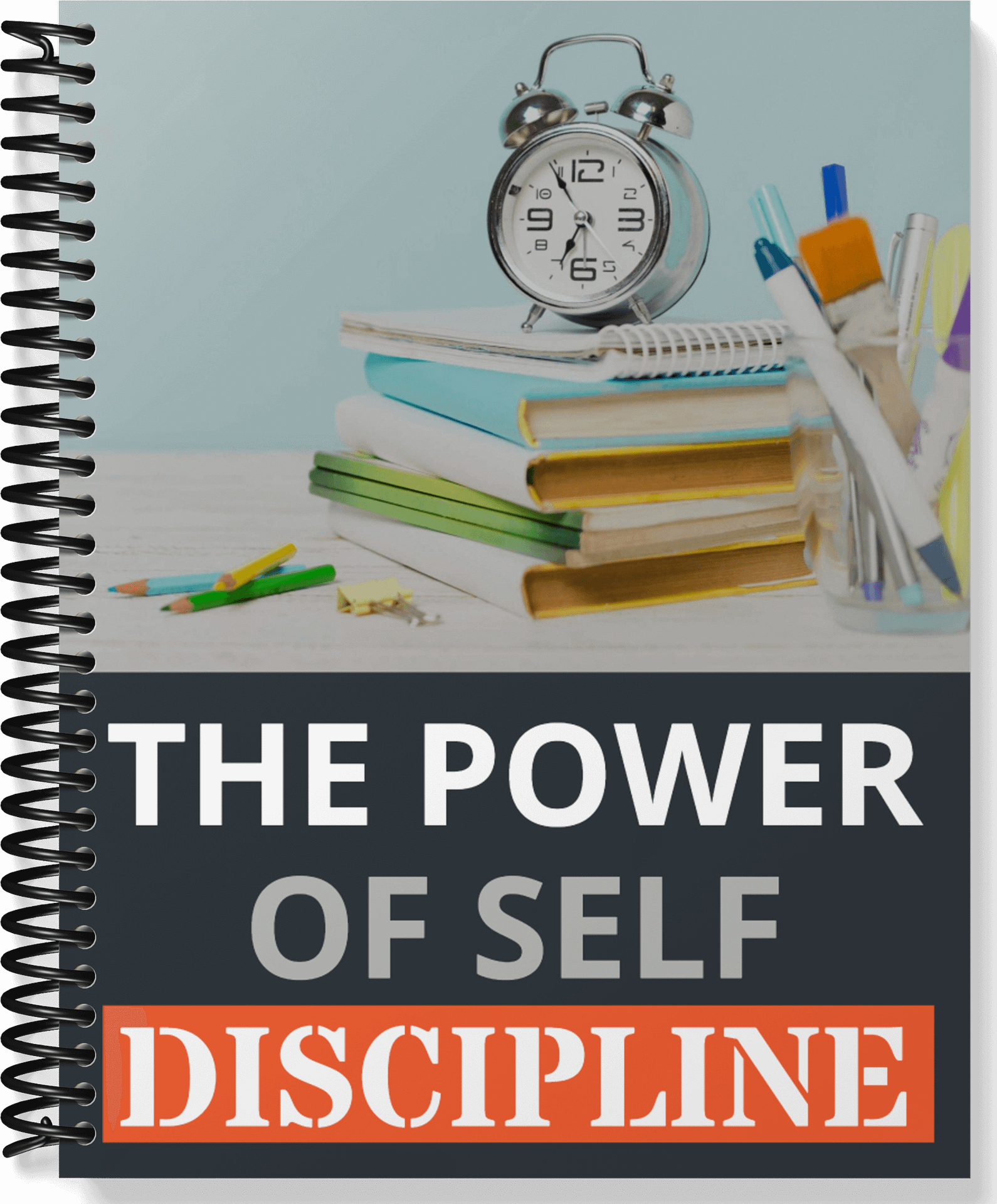
Creating habits requires self-discipline and many people do lack in this area. If you want to gain more self-discipline, check out the featured resource below where you can get a free report about the Power Of Self-Discipline; download, read it and take action 😊

self-discipline

Continue Reading
7-mistakes-when-building-website-post

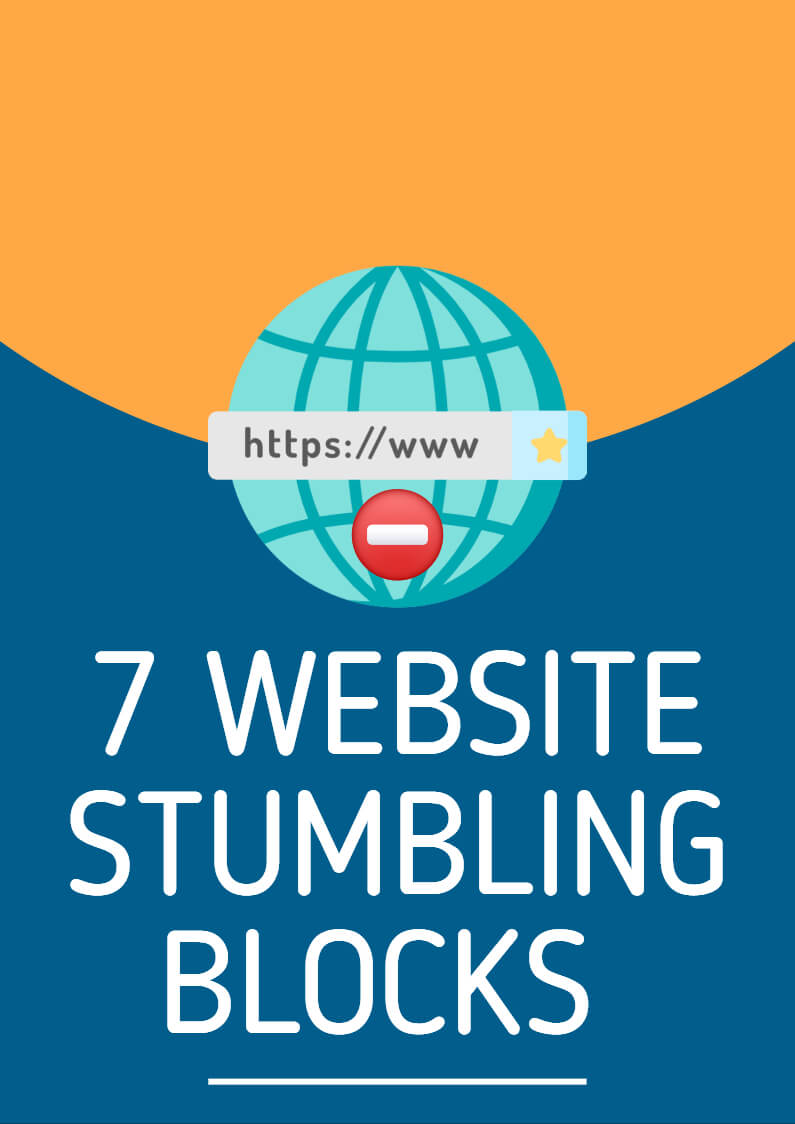
7 Mistakes To Avoid When Building A Website

If you are going to be successful with any type of online business, then you need to have a great website. This may seem obvious to some of you but there are some really terrible websites out there and I am sure the owners are not as profitable as they could be!

Your website is normally the first time a visitor will see you so it pays to make a good impression. If you are technically minded this may not be a daunting task for you.

However, the majority of people get put off by the technical aspects of setting up a website and there are a lot of mistakes that you can make. And this is why I wrote this article covering 7 of the most common (and most serious) problems that you may come across when building your website.

Hopefully this article will help you to avoid them and get a great looking website up and running with as little drama as possible, so without further ado, let’s get started…

1: Bad Hosting

The first website stumbling block is… BAD HOSTING

Oh yes, I’ve seen bad web hosting happen to good people. Don’t let it happen to you!

Website Hosting Quality

There’s a level of quality you must expect from a web hosting company and there are some very popular programs out there that don’t live up to that quality. Just because everyone registers their domain name at GoDaddy, it doesn’t mean it’s the best choice for hosting your website!

Bad hosting becomes a major stumbling block when problems come up, but solutions are hard to find. Like most services you’ll buy and need help with, customer support is key. Some companies are great at customer support while others are not.

I know when you’re new to this whole process it’s hard to know what companies to trust and who to bring your business too. That’s why it’s so important to education yourself. I recommend a combination of self-education and looking for recommendations from trusted colleagues to decide on a website host for your small business.

Features Of A Good Website Hosting Company

Of course it’s a good idea to know what you’re looking for, so here’s a checklist of website hosting features.

  • Good Price– Of course price is going to be a big consideration but PLEASE don’t make it your only one. Also don’t make the mistake of thinking that free hosting is the way to go. Hosting is so affordable that you have absolutely no excuses for not just considering a cost of doing business on the internet. Hosting is commonly available from about $5-$10 per month.
  • Get cPanel – cPanel is a great way to get access all the popular features without hassle. cPanel is a program that allows you to manage your hosting services in a user-friendly way. Your hosting account contains many features such as the ability to add email accounts, check your website statistics, install special programs on your site, backup your files and much, much more. Without cPanel these features can seem overwhelming and difficult to use. With cPanel it’s nicely organized and ready to go!
  • Get Fantastico or Simple Scripts – Another feature of a good host is the ability to install ‘add-ons’ to your account. These add-ons can be WordPress installations, membership forums, and more.
  • Software Upgrades & Backups – If you install your software and it gets out of date that can be a security issue. Make sure your potential host keeps up to date on upgrades and backups.
  • Email Included – Most hosting accounts come with unlimited email account setup.
  • Responsive Support – This could likely be the most important feature. Top-notch customer support is priceless. Make sure the host company you choose allows you to get your problems and issues solved quickly and easily. Most companies offer 24-7 phone support, I recommend you accept no less from your host.
  • Excellent Uptime – You want your site seen as often as possible. Make sure the uptime is as high as possible.
  • Statistics Tracking – Know where your visitors came from and how many landed on your site is important. Many hosts include quality statistics tracking for you to do on-demand market research.

IMPORTANT TIP – Over the years I’ve set up more websites than I can count for clients. One of the biggest self-created problems I’ve seen is website owners not knowing their own hosting and domain registration information.

If you get only one thing from this lesson get this –>>> Make sure you know your website hosting information. Save it somewhere safe!

Switching To A New Hosting Company

If you’re reading through the checklist above and finding that your current host is a sorry excuse for a hosting company then it’s probably time to switch. The first question you’re probably going to ask is whether this is difficult.

Well, the answer is maybe, maybe not. If you currently have a site setup in WordPress (which I highly recommend) then you’re going to need to move all your site files and your database.

What to Do Next – Step Over That BLOCK

So now that you’re equipped with some knowledge it’s time to take action. Don’t let your hosting be a stumbling block for long… it’s time to step right over it.

Don’t have website hosting? It’s time to go sign up for one!

Remember I said to take recommendations from trusted colleagues? Well I hope by now you’ve realized that my goal is to be a trusted colleague to YOU and provide you with valuable resources for your business.

My hosting company of choice is A2 Hosting. Of course they provide all the features I suggest you look for above. If you want to check them out, you can do so here: A2 Hosting.

2: Hard To Read

The second website stumbling block is… CONTENT THAT’S HARD TO READ

Make Your Website Easy To Read

Nothing turns a new visitor away faster than having to work hard to figure out what you’re trying to tell them. There are a lot of ways you can actually mess up your content’s readability, so let’s do the run-down of things not to do when designing a website you want people to read:

  1. Offensively Bright Colors – I had a client who loved using bright yellow highlights on text, blood-red bolded headlines and pink and blue text sprinkled in for good measure. It was an assault on the eyes! Please for the love of good design don’t add random colors and hope that alone will make people read your content. Catching the eye with a well-placed highlight is one thing, bombing your content with color is another.
  2. Not Enough Contrast – As a good rule I like black text on a white background. Our eyes are so accustomed to this format that it’s something I prefer not to mess with. If you choose to go with a color or even a black background, a word of caution; be careful that your text is read-able by making sure the contrast between your background and your content is strong.
  3. Hard to Read Fonts – I’m a big fan of typography but there’s a time and a place for fancy fonts. As I was browsing sites the other day, I came across a website that had all handwriting font. It was very difficult to read. There are many great fonts to use on your website but choose wisely and make sure they are easy to read. Limit your script type fonts to short headlines.
  4. No/Messy Formatting – Think about formatting as you add your content. WordPress has great features for formatting your content to make it look great: bullet-point lists, numbered lists, blockquotes, bolding and italics. Oh and don’t forget to break your content up by creating new paragraphs and headlines.

Above All, Remember Your Readers

The most important thing to remember above the extra details and the fancy fonts is that your readers don’t really care all that much.

Mostly your readers want the content they’re looking for and if you can deliver that to them, you are doing a good job.

3: You Don’t Know Your Audience!

The third website stumbling block is… MAKING A WEBSITE FOR YOU AND NOT YOUR MARKET

Mark My Words – Your Website is NOT For You…

I can’t even begin to tell you how many times I’ve seen websites built purely to fulfil a need to make something awesome for the person who’s building it.

Let me not mince words here: Your website is NOT FOR YOU, it’s for your visitors.

Sure you might like your black background and white font because it’s cool, but is it easy to READ?? Not likely. So are you trying to turn people away or do you just not care if you get visitors who like your site?

Please build your site with your potential customers and clients in mind! Check your EGO at the ‘virtual’ door and completely shift your mindset.

Don’t assume everyone who knows your business will know who you are or what your business is, assume they know nothing about you and don’t really care anyway… assume they’re asking themselves ‘What’s in it for ME?’… because they ARE asking themselves that.

Here are some tips to make sure you flip that thinking around and start building your site for your visitors, not yourself:

  1. Is It Readable? – So you like that fancy font because it’s pretty, but can we read it? Or you like a black background because it’s ‘different’ but are your visitors going googly-eyed trying to read the words on the screen (white font on a black background can be VERY hard on the eyes!). Make sure your visitors can read it and read it comfortably, and you’ll be giving yourself a much greater chance they’re return to read again.
  2. Is It Scannable? – Don’t assume your visitors are going to read every word from top to bottom before they figure out if they’re going to stick around your site. Make sure with an easy scan of the site that they can figure out what it’s about. Repeat yourself! Don’t assume because you’ve hidden the information away in a little corner they’re going to dig in and find it, put important items up front and center.
  3. Is It ART or MARKETING? – I’ve seen some pretty useless ‘pretty’ sites! Please don’t make the mistake of favoring form over function! I’d rather see you with a black and white, bare bones site with tons of useful content than a beautiful but useless site that people come look at and leave again because they thought it was pretty but didn’t know what to do next. Look I’m not against awesome-looking marketing but make sure you don’t use up all your energy on the artistic part and none on the marketing part.
  4. Who Are You Trying to Impress??? – It drives me bonkers when I see website owners get caught up in making impressive displays that they somehow think will ‘wow’ their visitors into buying. Your visitors are not looking to be entertained or bowled over by your impressive site, they just have a need and if you can solve it, they’ll be happy to pay you. PLEASE don’t forget what you’re doing when building your website and stop trying to impressive with ‘flashy’ stuff… get them the goods they need (or want), and you’ll make more sales!

4: Hard To Navigate Sites
The fourth website stumbling block is… SITES THAT MAKE IT HARD TO FIND STUFF

Website Navigation is VERY Important

Have you ever looked at a great big corn maze and thought: “No, Not Today!” That’s just what many of your website visitors are going to say if you make them work through a maze of information to find what they’re looking for. They’ll fast-track it out of there before you can convince them it’s worth the effort.

Don’t make your site hard to navigate! Make it EASY for them to find the content they need. I’ve mentioned this before but it’s OK to repeat yourself when it comes to showing people the way to important content on your site.

If you WANT them to see your important pages, don’t assume they’re scouring every word on your site; assume they WON’T and put links in multiple spots, so they’ll come across them as they scan.

In terms of making your site easy to get through here are some ways to do that:

  1. Navigation Menu – A very common feature on many websites is the navigation menu. It is usually a bar across the very top of the site, below the website header graphic. It can be also in the sidebar or on the bottom of the site (as it is on these Stumbling Block pages).
  2. Links In Content – If you have one page that leads to another, then make it really obvious where to go next by telling your visitors what page to go to! Just tell them right at the bottom of the page to click on over to the next one.
  3. Breadcrumb Navigation – If you have multiple levels of pages a breadcrumb navigation is like a trail back to the homepage for your visitors. If you use WordPress, you can find several plugins that will automatically generate this for you.
  4. Don’t Complicate It – It’s not always a good idea to post every single page of your site on the homepage and then ask people to choose where to go. You must lead them through or you’re going to make it too complicated and confusing for them. If you give people too many choices, they will often choose none!
  5. Ask a Seven-Year-Old – Can a seven-year-old navigate your site and figure out what it’s about? If not, you might want to go back to the drawing board. Seriously! It should be that easy for people to figure out what your site is about and where to find the good stuff. We’re not looking to create a puzzle… keep it simple!

Overall you want your visitors to be able to easily navigate your site, consume the content and then either become a lead or buy from you.

We’ll talk about these important pieces in our remaining stumbling blocks so check them out in the navigation to the right (see what I did there)

5: Waiting For Traffic

The fifth website stumbling block is… THINKING “If your build it, they will come” WORKS FOR WEBSITES (it doesn’t!)

Traffic Must Be Funnelled to Your Website!

Let’s say you’ve built your site and it’s ready for visitors. Now you sit and wait for them to start filing in, right? WRONG!

If you want people to know your website exists, you must go out and TELL THEM SO. This isn’t a time to be shy or coy, straight out promote the heck out of that site by spreading the worth that it’s online and sending people on over to check it out.

There are plenty of ways to do this so you can pick your favorites. They include:

  • SEO – Get your site into the search engines and get found when people do searches.
  • Email Marketing – Build an email list and then send that list to your site. It’s a classic!
  • Social Media Marketing – Of course you know this one… Facebook, Twitter, LinkedIn, Instagram etc.
  • Articles & Blog Posts – Get your content published on other websites and linked back to your site.
  • Blog Commenting – Many popular blogs have tons of traffic. You can get a piece of that by posting comments with useful info.
  • YouTube – If you feel like getting in front of the camera or doing screenshare videos with a program like Camtasia then you can pull some nice traffic from YouTube.
  • Podcasting – Get found through Podcast directories, iTunes, etc.
  • Hosting Webinars or Teleseminars – You can partner with website owners to grab some of their traffic by hosting an event that they can send their people to.
  • Affiliates – Set up your own affiliate program and you’ll get partners sending you traffic and sales.

I know you want your website to be seen by as many eyeballs as possible so get on out there and promote that baby!

Good luck and happy traffic building.

6: Trapped By Your Website Designer
The sixth website stumbling block is… becoming trapped with a website you can never update or edit.

When Hiring a Website Designer, Be Smart, PLEASE!

I’ve seen it far too often with my customers and clients. They’ve hiring a website designer to build a fantastic site and the site looks awesome.

But what now? They have NO way to update it, NO idea how to do it and NO clue what to do next. So what they end up doing in many cases is starting over and using WordPress so they have a website they can actually use.

In the worst of these cases a website design company uses ‘proprietary’ software to build your website and you are completely trapped into staying with them or losing your website all together.

Be VERY careful when you hire someone to build your website that they are not trapping you into relying on them entirely for now and for the future.

One of the smartest things you can do for your online business is to learn how to control your own website. I firmly believe if you have that full control over your web presence you will be MUCH more successful.

Running a business requires you to react and respond quickly. Maintaining your own website will keep you on top of the market you’ve chosen to serve.

Another important reason to at LEAST know how to USE your site is that you can hire the right people for the job. Let’s say you’re not the DIY type (and that’s OK) and you really need to hire a website designer.

It is a smart idea for you to first learn the basics of building a website so that you know how to spot trouble before you hire it!

7: Not Enough Content
The seventh website stumbling block is… not giving your visitors (and the search engines) enough content to decide they want to do business with you.

Content is Your #1 Tool For Getting Leads & Sales

A big mistake many new website owners make is thinking that they can put up four or five pages on a website and use them to build a thriving online business. For the most part you’re going to need a whole lot more than that to get ongoing online profits.

There are many types of content you can use to grow your business, including:

  • Website pages & articles.
  • Blog posts.
  • Email newsletters, broadcasts & autoresponders.
  • Audio
  • Video
  • Podcasts
  • etc…

You might be wondering how you’ll make money if you decide to give away tons of content for free. It’s a great question and the answer is that people will NOT buy from you at all if they can’t see the value in what they offer.

They can get that value from the free content you give away and they are more likely than not to be impressed to know where they can find more, learn more, hear more.

The key to giving away free content is to always have something to follow it. Some people might tell you to never give away your best stuff but I don’t agree. Sometimes you want to give away the very best of what you have so you can really impress your potential market.

If you only give away mediocre stuff, do you really expect they’ll be overjoyed and wondering where they can get more?


By the way, if you are serious and want to take your blogging to the next level, check out the Rapid Blogging Blueprint. This is a premium level training that takes you through each and every step of setting up your own highly profitable blog and profiting from it. You can check it out here.


Throughout this training I have told you about using WordPress for your website and its many benefits. As a content manager, WordPress is known as one of the very best available. Let me tell you what WordPress can do for your content:

  • Easily add new pages for articles or product information.
  • Create sales pages to sell your products from. (see an example here for my WordPress course)
  • Easily create blog posts to provide potential search engine rankings or attract new business.
  • Schedule blog posts into the future so you can have your site working for you, even when you’re not working!
  • Add audio and video to your site with ease.
  • Allow guest authors to post on your site with their own login information or create a multi-author blog for your business.
  • Easily enhance your content with images.

I’ve dedicated a large chunk of my time to helping small business owners like you learn how to use WordPress to grow their business.

I hope it will help you avoid many of the mistakes that I and many others have made along the way to building a successful online business.

If you want to know more about increasing conversions in your business, check out the featured resource below to grab a free report which will teach you how to boost your conversion rate. Download, read it, and take action 🙂


Niche Marketing
Continue Reading
Blogging For Profit Begins With A Long Term Plan Post

Blogging For Profit Begins With A Long Term Plan

Do you ever wonder, is blogging still profitable?

Many people dream of blogging for profit, and this goal is not far beyond the reach of someone with average intelligence, a willingness to work hard, and a basic grasp of blogging technology.

Many people want to know how to start blogging to make money, however, very few people manage to reap the profits they want from their blog. Why is that?

Most people who attempt to make money with their blogs do not succeed for two reasons.

Often, bloggers have unrealistic expectations of how fast their readership will grow and how much money they will make, and when these expectations are not met the disappointment can crush the desire to continue blogging.

The other trap that many bloggers fall into has to do with lack of planning. If you want to turn a profit as a blogger, the key to success is to make a realistic plan and stick with it.

How To Start A Blog For Profit

To succeed at blogging for profit, the main thing that you will need is a large readership. The higher your traffic, the more advertisers will agree to pay you.

However, cultivating the regular visitors that you will need in order to make a profit isn’t easy.

As more and more blogs appear each day, having a great idea or a wonderful writing style is no longer enough to get attention. You need to be able to market your blog effectively.

Too many bloggers spend all of their time writing posts and almost no time marketing their project. To be certain, updating as often as you can is a great way to keep your blog high on blogrolls and high in blog search engines, and once your readers know that you update frequently, they will return to your site on a regular basis.

However, it does not matter how often you update if nobody is reading your page, so don’t skimp on the time that you spend drawing visitors to your site.

To make your dreams of blogging for profit a reality, try decreasing your number of posts and using some of that time to draw new visitors by setting up link exchanges with other bloggers, making contacts in the blog community, and following other established modes of winning traffic.

Of course, even if you are a marketing genius or have a really great idea for a blog, success is not going to happen overnight. Building the kind of readership that blogging for profit requires takes time, and in all likelihood, it will be at least several months before you are able to turn much of a profit.


By the way, if you are serious and want to take your blogging to the next level, check out the Rapid Blogging Blueprint. This is a premium level training that takes you through each and every step of setting up your own highly profitable blog and profiting from it. You can check it out here.


Try to stay committed to your blogging project during this initial rough period. To stay motivated, set goals for how often you will update and how many readers you want to attract, and then reward yourself for sticking with your plan.

Also, when you are writing blog posts, you need them to be focused and engaging and the best way to do that is to write it for one particular type of reader.

Why You Should Write To One Person On Your Blog

People end up on your blog a number of ways. They may be referred to you by friends or colleagues or reach one of your blog posts through an Internet search. However someone finds your blog, that person doesn’t care how many other people you are trying to reach.

If you receive 1000 unique visitors to your blog each month, none of those human beings is thinking about any of the others.

This is why it is extremely important to write in the second person. This means addressing your content to the words you, yourself and yours.

No matter how much traffic you get, your blog is visited by a single person at a time. If someone was talking to you, across a coffee table in a friendly chat, wouldn’t you prefer it if they spoke to you as an individual, rather than a member of a group?

People love being recognized for who they are as an individual.

When you write your content as if you are speaking to that individual, a single person, that person that reads your content as if you were doing exactly that. When the human brain encounters the word “you” in communication, in print or online, in regards that communication is personal.

That person then becomes alert to the message you are sending. This sense of intimacy leads to your blog visitors reading more of your content and staying on the page longer.

This helps with search engine rankings, which means you get more generic traffic, and those additional web surfers also feel as if you are speaking to them in a one-on-one conversation.

Why Address A Single Person When I Am Blogging To A Large Group Of People?

Yes, it is true that you are marketing to more than one person. Unless you found a single client with unlimited means, you’re going to need to do business with many people for your blog to be a success. However, each one of these people is an individual, not a faceless group member.

Remember, your blog is only read by one person at a time.

This is why you should write to one individual. It is also why it is extremely important to deeply understand the needs and wants, worries and problems of your “perfect prospect”.

This allows you to very successfully connect with each of your blog visitors individually, by writing your content to a single person, helping solve the problems and answer the questions in their life.

Consider the following two statements, as if you found them on a blog post you are reading:

“Why do people want to lose weight?”

“Why do you want to lose weight?”

Which one of those statements seems more personal to you? Which one of those questions is likely to keep you reading, and make you feel like you are important to that blog writer?

The second question is obviously more intimate and personal in nature, which shows you exactly why you should create your content as if you are delivering it to a single person in a one-to-one conversation.

If you want a premium training on blogging the right way, check out the Rapid Blogging Blueprint which includes over the shoulder training on blogging the right way.

Or, if you just want some basics to see whether blogging is right for you, check out the featured resource below for a free Blogging Fundamentals report; download, read it and take action 😊

blogging
Continue Reading
website traffic

Analyzing Website Traffic

website traffic

Analyzing your web traffic statistics can be an invaluable tool for a number of different reasons. But before you can make full use of this tool, you need to understand how to interpret the data.

Most web hosting companies will provide you with basic web traffic information that you then have to interpret and make pertinent use of.

However, the data you receive from your host company can be overwhelming if you don’t understand how to apply it to your particular business and website. Let’s start by examining the most basic data – the average visitors to your site on a daily, weekly, and monthly basis.

Monitor Average Visitors

website traffic checker

These figures are the most accurate measure of your website’s activity. It would appear on the surface that the more traffic you see recorded, the better you can assume your website is doing, but this is an inaccurate perception.

You must also look at the behavior of your visitors once they come to your website to accurately gauge the effectiveness of your site.

There is often a great misconception about what is commonly known as “hits” and what is really effective, quality traffic to your site. Hits simply means the number of information requests received by the server.

If you think about the fact that a hit can simply equate to the number of graphics per page, you will get an idea of how overblown the concept of hits can be.

For example, if your homepage has 15 graphics on it, the server records this as 15 hits, when in reality we are talking about a single visitor checking out a single page on your site. As you can see, hits are not useful in analyzing your website traffic.

The more visitors that come to your website, the more accurate your interpretation will become. The greater the traffic is to your website, the more precise your analysis will be of overall trends in visitor behavior. The smaller the number of visitors, the more a few anomalous visitors can distort the analysis.

Monitor Time Spent On Site

website traffic rankings

The aim is to use the web traffic statistics to figure out how well or how poorly your site is working for your visitors. One way to determine this is to find out how long on average your visitors spend on your site.

If the time spent is relatively brief, it usually indicates an underlying problem. Then the challenge is to figure out what that problem is.

It could be that your keywords are directing the wrong type of visitors to your website, or that your graphics are confusing or intimidating, causing the visitor to exit rapidly.

Use the knowledge of how much time visitors are spending on your site to pinpoint specific problems, and after you fix those problems, continue to use time spent as a gauge of how effective your fix has been.

Monitor Page Performance

website traffic increase

Additionally, web traffic stats can help you determine effective and ineffective areas of your website. If you have a page that you believe is important, but visitors are exiting it rapidly, that page needs attention.

You could, for example, consider improving the link to this page by making the link more noticeable and enticing, or you could improve the look of the page or the ease that your visitors can access the necessary information on that page.

If, on the other hand, you notice that visitors are spending a lot of time on pages that you think are less important, you might consider moving some of your sales copy and marketing focus to that particular page.

As you can see, these statistics will reveal vital information about the effectiveness of individual pages, and visitor habits and motivation.

This is essential information to any successful Internet marketing campaign.

Monitor Exit Pages

web traffic

Your website undoubtedly has exit pages, such as a final order or contact form. This is a page you can expect your visitor to exit rapidly. However, not every visitor to your site is going to find exactly what he or she is looking for, so statistics may show you a number of different exit pages.

This is normal unless you notice an exit trend on a particular page that is not intended as an exit page. In the case that a significant percentage of visitors are exiting your website on a page not designed for that purpose, you must closely examine that particular page to discern what the problem is.

Once you pinpoint potential weaknesses on that page, minor modifications in content or graphic may have a significant impact on the keeping visitors moving through your site instead of exiting at the wrong page.

Monitor Keywords

website visitors

After you have analyzed your visitor statistics, it’s time to turn to your keywords and phrases. Notice if particular keywords are directing a specific type of visitor to your site. The more targeted the visitor – meaning that they find what they are looking for on your site, and even better, fill out your contact form or make a purchase – the more valuable that keyword is.

However, if you find a large number of visitors are being directed – or should I say misdirected – to your site by a particular keyword or phrase, that keyword demands adjustment. Keywords are vital to bringing quality visitors to your site who are ready to do business with you.

Close analysis of the keywords your visitors are using to find your site will give you a vital understanding of your visitor’s needs and motivations.

Finally, if you notice that users are finding your website by typing in your company name, break open the champagne! It means you have achieved a significant level of brand recognition, and this is a sure sign of burgeoning success.

As you can see, measuring website traffic can be difficult to do accurately as it is as much an art as it is a science, but it can at least give you a rough idea of how your website is performing so it is well worth the effort to investigate.

And if you want to learn more about converting those visitors into opt-ins and sales, then check out the featured resource below where you can download a free Conversion Boost report; download, read it and take action 😊

Niche Marketing
Continue Reading
what social media marketing

8 Habits Of Successful Social Media Marketers

social media marketing

Social media has become firmly established as an effective way to market almost any business, but there are so many sites, tasks, profiles and publishing to manage every day, it is easy to feel overwhelmed.

The most successful social media marketers have several habits that enable them to do it all successfully.

See how many you’re already doing, and add those you aren’t to your day to see what a difference they can make.

1. Know Your Niche

Know what the people in your niche are most interested in, and come up with content that satisfies those needs.

For example, any new golfer will want to know about perfecting their swing.

Think about the beginners new to your niche, and intermediates, and how you will become a magnet for them as they look for solutions to their main issues.

Create a customer avatar to identify your ideal customer and target your marketing towards them.

2. Block Time On Your Calendar

Make an appointment each day with your social networking profiles.

Thirty minutes per day 2 or 3 times a day will prevent you from getting distracted and eating up your time.

Log in, look around, and interact as needed. Don’t constantly crank out content with no thought to what’s actually happening in the account.

For example, if you have a Tweet that is getting a lot of traction, don’t tweet more items that are just going to push it down the page. Instead, let it ride as long as it can.

3. Leverage Advertising As Needed

Even a small budget can go far with the right content on the right network.

Using the example of the hot tweet above, consider turning it into a sponsored tweet.

Also consider running a campaign to add more followers while the tweet is prominent, in order to give it more exposure to those interested in your niche who are on the network but not connected with you yet.

4. Using Automation As Needed

A growing number of tools will allow you to manage multiple social media accounts, with just a few clicks.

Pay particular attention to publishing content during the times you are not online, for around the clock marketing.

Do a search to find the best times to post on the various social media platforms to your audience for maximum impact. The best time will vary between platforms and this is where automation tools, such as ContentStudio make things so much easier.

5. Think Engagement, Not Just Eyeballs

Your content should have a high potential to evoke a response, such as a comment, like or share.

Make your calls to action obvious to get the response you want.

Here are some ideas for calls to action:

  • Poll
  • Survey
  • Provocative or thought-provoking question
  • Sharing interesting articles and other niche-related content, and encouraging others to as well
  • Creating a range of content at your site and sharing it
  • Comment on a recent news item

If you get a comment, reply to it as appropriate. Stuck with a troll? Don’t engage on their unprofessional level in front of the entire world, just delete their nonsense and block them.

In the posting, give a clear call to action, such as “Like or share if you agree.” For more details, invite them to share more with, “Let us know what you think in the comments box below.”

6. Follow Others And Engage As Needed

See what others are doing and be helpful in all your interactions online, and people will soon be checking out your profile and starting to follow you because you look like someone worth paying attention to.

Remember that these are social media platforms, so you need to be social.

You must engage with people or you will end up being ignored and people won’t even see your posts. It doesn’t take too much effort to like a few posts and to write a thoughtful comment or two does it?

7. Connect With Thought Leaders

Connect with the top people in your niche.

You can learn from them, and will be keeping good company, which over time may result in a range of profitable opportunities.

Your network can be a really valuable asset so try to grow and nurture it whenever possible.

8. Track Your Results

See how many engagements you get from each activity.

If driving traffic to your site, create a unique URL for each network campaign so you can see the results from each network quickly.

So, there are 8 habits of successful marketers. Now let’s look at the flip side and look at some of the mistakes less experienced social media marketers may make.

7 Costly Social Media Mistakes

strategies for social media marketing

Social media gives unprecedented access to people interested in your niche or industry, or the products and services you offer.

However, some new users of the networks can get so excited by the prospect of more profits that they actually end up costing themselves through simple yet avoidable mistakes.

Here are the top 7 to watch out for if you are a newbie social media marketer.

1. Unclear Goals

Do you want sales, subscribers, followers?

Plan every campaign around a specific goal, which you can measure by getting the target market to take particular action.

By limiting the number of actions available in the message or campaign, you help to reduce returns, unsubscribes, and unfollows.

2. Unprofessional Profiles

Make your profile as informative and professional as possible.

Include basic information that potential customers or clients want to know, along with info that makes you stand out from your competition.

A logo and colors help you to be recognized at a glance, so be sure to add a unique and professional logo to your profile.

3. Following Too Few People

As soon as you sign on for most social sites, they ask you what you are interested in and give recommendations as to who you might like to follow.

Take these suggestions seriously and sign up, because the ones they are suggesting are usually the top participants at the site in relation to your niche.

Growing your network of likeminded people is important so don’t neglect this step.

4. Promoting Too Soon

Most newbies to social networking are there because they’ve heard it is a great way to reach millions of people.

They no sooner sign up with their profile than they start to crank out posts, tweets, and promotions at lightning speed.

Social networks are just that, social. It’s not about you hammering out promotion after promotion.

Focus on building relationships and connections that are based on your common personal and/or business interests.

5. Publishing The Wrong Content

Every social network attracts people who prefer a specific type of content or type of delivery.

For example, most Twitter users want very short and to-the-point messages.

Most content online is text-based, but many social networks are driven by eye-catching content, such as images and video.

Organize your material into folders for each network so you deliver the right type of content to each social media network, based on its specialties and the preferences of their users.

6. Ignoring Daily Search Results

Conduct a quick search each day for a couple of your business’s keywords and/or brand products.

Look for mentions of your business, product, and/or your name. Also look for questions and positive or negative comments on other sites.

If you see questions, answer them and/or refer the person to a specific URL for more information. If you see positive comments and reviews, thank them.

If you see negative, refer them to your customer service email for more details on what their issue is.

The offer of help will show good will to anyone who might have seen it and sort the real customers from those who might be doing nothing more than trying to damage your reputation online.

7. Retaliating

No matter how unfair they have been. Just don’t retaliate in public.

It could cost you more than you can ever imagine. Keep it professional at all times.

If you want to learn about even more mistakes you should avoid, then check out the featured resource below for a free report; download, read it and take action 😊

social media marketing strategy
Continue Reading
Optimized by Optimole