Productivity

7-tips-to-improve-focus-post

7 Tips On How To Improve Focus

Share


Tweet


Pin

Productivity27th OctoberBy Jason Daly

7 Tips On How To Improve Focus

Perhaps you wish to concentrate on a particular task but discover that you get sidetracked quickly.

Your mind wanders, you worry constantly, or you may simply have too many things to accomplish to choose just one to start with, making it difficult for you to concentrate on what you are doing.

Here are some helpful tips for sharpening your focus.

Meditate

Make an effort to set aside at least 30 minutes per day for meditation. You can still practice a quick breathing exercise if you can’t commit to that much time.

Concentrate on your breathing, paying close attention to the air as it enters your lips and hits your nose. What does it feel like as it flees? There’s a chance that you’ll daydream and have an infinite stream of ideas. When this occurs, shift your attention back to your breathing. For a few minutes, keep doing this.

Your circulatory system will relax, and you’ll feel more at ease if you can control your breathing.

Listen

Listen to music to help improve your focus.

Really concentrate on the music.

Try to focus on a single instrument.

Cut Goals Into Small Targets

It’s ok to have an end goal to work towards, but don’t concentrate on it to much while you’re working on it, as this can hamper your progress because it may appear to be too difficult to achieve.

It might not seem like you are getting any closer to the end, and your results won’t come quickly enough. Instead of focusing on the overarching objective, divide it into shorter-term objectives that you can accomplish in a matter of days.

As you accomplish each smaller goal on your list, cross it off.

Listen To Your Time Clock

Work within the time that your body finds most comfortable. Perhaps you perform your best work just before dawn. Or maybe later at night. Work during your most productive times.

For instance, many authors start their writing early in the morning, whereas painters frequently do their best work later in the day.

Eat Lighter Meals

Have you ever consumed a substantial lunch while working only to feel sluggish and heavy all afternoon? A large meal slows you down and induces sleep.

You can regularly engage in a brief juice fast if you feel the need or desire to. It will keep you attentive and help you maintain good physical health.

Exercise (Mind And Body)

Every day, give your body and mind a workout. Complete crossword puzzles. Participate in spirited debates. Create something innovative.

All you need to maintain a healthy body is a simple daily stroll for 30 minutes.

Force Yourself

When you’re feeling lazy, you might need to exert some effort and push yourself. However, if you are experiencing a mental block, step away from the work for a while. Do something else until you can refocus on the initial work.

It will take time to learn how to focus better, but it will be worthwhile.

Start by incorporating one or two of these suggestions into your daily routine to start improving your ability to focus.

Strategies To Improve Focus

You’d be shocked at how many individuals have no real where their time goes. Although people may believe they are concentrated on a particular task, are they really?

Keeping track of your time spending for a week is one approach to find out. You might realize that you’ve been idly spending time by, for example, checking Facebook once every hour.

Here are some of my tips for sharpening your attention and boosting your productivity:

1. Track your time. Analyze the results after a week. Tweak and get rid of time wasters.

2. Plan your week. Find a quiet area at the end of the week to plan out your week’s tasks. Make a list of important projects and any related tasks. Don’t forget to include any family activities in which you take part.

3. Prioritize your list. Sort your tasks by importance, from the most important to the least important. Use a calendar to schedule chunks of time (anything from 15 minutes to 1 hour) to work on each one.

4. Eliminate what isn’t essential. Delegate what you can for tasks that you need to complete but aren’t your strong suit. This can range from mowing the lawn to employing a virtual assistant to manage your social media accounts for the week.

5. Set your goals. Break down big or long-term goals into smaller weekly or daily goals to make them easier to focus on.

6. Set aside a specific amount of time each day for checking/answering email and social media. It can be the first task of the day that takes 30 minutes, the last task that takes 30 minutes, or perhaps the task that takes 15 minutes before lunch. But only do it once every day. Stay away from pausing mid-task to check your email. The same holds true for social media platforms.

7. Do away with multitasking. Learning to concentrate on one project at a time takes some practice, but if you stay with it, it will become second nature. Before beginning the next project or task, complete the previous one. Focus entirely on one task at a time. Your productivity will actually boost as a result.

8. Make a distraction to-do list. We can easily get easily distracted thanks to the Internet. We immediately use the Internet to conduct searches whenever we need to look something up. “I’m curious what’s going on Facebook.” “What actor played that character in that movie?” ” Tomorrow, how long will it take me to drive to the zoo?”

It usually takes us around 25 minutes to return to the original task after becoming sidetracked in this way. As a result, the next time you want to research something or have an idea, write it down on paper (or use an app like Evernote).

9. Learn to say NO. If you already have full day’s task list, don’t feel like you have to take on another project for someone else.

10. Create an environment that works for you. Do you need a peaceful area free from background noise, from people, phones, and televisions? Organize your workspace to suit your needs.

Decorate it with calming hues, motivational artwork, and a cozy chair. Put papers and periodicals away or file them if you prefer to work in an organized space. Eliminate clutter. If you can concentrate better while listening to music or hearing ambient noise, then use that to your advantage.

11. Take a break when needed. When working on a large project, short breaks help prevent boredom and burnout. Get up and walk around for a few minutes. Practice yoga stretches.

12. Break up or Chunk it. Divide your activities into manageable time blocks with brief rest periods in between. Work on a task, for instance, for 15 minutes at a time.

Imagine you’re writing an eBook. Try not to complete it all at once. Break it down. Spend 15 minutes creating your outline. Take a brief rest. After that, spend 15 minutes reading the first chapter. And so forth.

13. Use an app on your phone to boost your productivity and concentration. You can stay organized and keep track of distractions with apps like Evernote. You can download another app such as Brainwave to your iPhone. You can select options in this software such as Brainstorming, Concentration Boost and Problem Solving, or Memory Boost and Creative Thinking. Other apps might also assist you in maintaining your focus and productivity.

Conclusion

There are countless ways to increase your level of concentration and focus. Create a list. Eliminate all distractions. Create the environment that you want. You must decide what suits your working style the best.

Well, as I’m sure you can appreciate, there is a lot more to be learnt about increasing focus and productivity; far more than can be covered in this short post, but if you’d like to know more about this, then click on the featured resource below where you can pick up a free report, Stay Focused For Success, that covers this topic in more detail. Download, read it and take action

choose your image

Continue Reading
get-more-done-in-less-time-post

Get More Done In Less Time: 10 Tips To Boost Your Productivity

Productivity13th October 2023By Jason Daly

Get More Done In Less Time: 10 Tips To Boost Your Productivity

It’s no secret that productivity is the key to success. But what does it really mean to be productive? And how can you achieve it?

Simply put, productivity is the ability to get things done efficiently and effectively. It’s about using your time, energy, and resources to achieve your goals.

Unfortunately, achieving productivity is easier said than done. It often feels like there’s just not enough time in the day to get everything done.

But there are ways to boost your productivity and get more done in less time.

Here are 10 tips to help you get started:

1. Set Clear Goals

The first step to increasing your productivity is to set clear goals. What do you want to achieve? How will you know when you’ve reached your goal?

Be specific, realistic, and achievable i.e. try to use S.M.A.R.T. goals (Specific, Measurable, Achievable, Realistic, Timely).

And make sure to write your goals down so you can refer back to them later. If a goal is too big, break it down into smaller goals; it’s important that you can feel that you are making progress or you may become demotivated.

2. Make A Plan

Once you have your goals set, it’s time to make a plan. What needs to be done to achieve your goals?

Again, be specific and realistic. As mentioned above, break down your goals into smaller, more manageable tasks. And be sure to schedule time for each task.

And don’t forget to reward yourself when you achieve a goal; this is a sure-fire way to keep yourself motivated to continue.

3. Focus On One Task At A Time

One of the biggest productivity killers is trying to do too many things at once.

When you’re trying to focus on multiple tasks, your brain gets overwhelmed, and your productivity suffers. Instead focus on one task at a time. Turn off all distractions and give that task your full attention.

Once it’s done, move on to the next task.

Many people like to brag that they can multitask, but this is a myth. The most productive people have laser like focus and deal with one task at a time.

Don’t fall into the trap of trying to multitask because it is a road to having many tasks ‘in progress’ but none actually completed and this can be very demoralising because your task list never seems to go down!

4. Take Breaks

It might seem counterintuitive but taking breaks can actually help you be more productive. When you take a break, your brain gets a chance to rest and rejuvenate.

So, don’t be afraid to step away from your work every once in awhile. Go for a walk, take a nap, or just take a few minutes to relax. You’ll be surprised at how much better you’ll feel and how much more productive you’ll be when you return.

5. Set A Time Limit

If you find yourself struggling to focus on a task, try setting a time limit. Tell yourself you only have to work on that task for a certain amount of time.

When the timer goes off, you can take a break or move on to something else. But knowing that you only have to work on that task for a short period of time will help you focus and get it done.

Try using the Pomodoro technique to break tasks into time chunks; if you want to know more about using the Pomodoro technique, check out this post.

6. Get Organized

A cluttered workspace can be a major productivity killer. If you can’t find what you need, it’s going to take you longer to get your work done.

So, take some time to organize your workspace. Make sure everything has a place and that you know where everything is.

You’ll be amazed at how much time you’ll save (and how much less stressed you’ll be) when you’re not constantly searching for things.

7. Delegate

If you’re trying to do everything yourself, you’re never going to be as productive as you could be.

Instead, learn to delegate. If there are tasks that someone else can do, let them do it. You’ll be able to focus on more important tasks and get more done.

As a business owner, you really want to be working on your business rather than in your business, so delegation and outsourcing are important skills to learn and use.

8. Eliminate Distractions

Distractions are one of the biggest productivity killers. If you’re constantly being interrupted by phone calls, emails, or other distractions, it’s going to be difficult to get anything done.

So, eliminate as many distractions as possible. Turn off your phone, close your email, and let people know that you’re not to be disturbed.

Just switching your phone off will remove all sorts of distractions; social media, email, instant messaging, texts (and even the occasional phone call, if you still use a phone for calling 😊)

You’ll be surprised at how much more you can get done when you’re not constantly being pulled in different directions.

9. Take Care Of Yourself

If you’re not taking care of yourself, you’re not going to be very productive.

Make sure you’re getting enough sleep, eating a healthy diet, and exercising regularly. When you’re taking care of your body, you’ll be surprised at how much more energy you have and how much better you’ll feel.

10. Just Start

One of the biggest productivity killers is procrastination. If you’re constantly putting off tasks, you’re never going to get anything done.

Instead of waiting around, just start. Even if you’re not sure how you’re going to complete the task, just start. Once you get going, you’ll be surprised at how quickly you can get it done.

Conclusion

If you’re looking for ways to be more productive, try out some of these tips. See which ones work best for you and stick with them. Remember, there’s no one-size-fits-all solution, so find what works best for you and stick with it.

With a little effort and some trial and error, you can find a productivity routine that works for you and helps you get more done in less time.

Well, as I’m sure you can appreciate, there is a lot more to be learnt about increasing focus and productivity; far more than can be covered in this short post, but if you’d like to know more about this, then click on the featured resource below where you can pick up a free report, Stay Focused For Success, that covers this topic in more detail. Download, read it and take action 😊

choose your image

Continue Reading
being-unfocused-can-increase-creativity-post

Being A Little Unfocused Can Sometimes Increase Creativity

Many people put too much effort into being creative. If you’re not naturally creative, you may be tempted to force it by sitting down and concentrating intensely, just like you would with more serious work.

It has been demonstrated that being a little unfocused can actually encourage creativity, although that may appear counterproductive. People get their creative ideas from a variety of sources.

It’s extremely uncommon to come up with something creative and original by concentrating intensely on one thing. Instead, if you can relax a little, you’ll be able to absorb more information from the world around you, which frequently leads to greater creativity.

This is not to say that being completely distracted will help you be more creative. You’ll eventually stop being creative because you’ll be so unfocused and distracted from your task at hand that you won’t even give it a passing thought.

Semi-focus is the equivalent of taking in all the sounds of the forest while aimlessly scanning the area. It’s not totally losing yourself in an online show and becoming so preoccupied that you lose all creativity.

You could compare it to having tunnel vision. The majority of the time, having it is bad, and this situation is no exception. You won’t notice anything else if you concentrate so hard on one thing.

Your ability to be creative may suffer as a result. You severely restrict your ability to be creative if you shut out all of the other sources of inspiration around you.

It’s crucial that you lose focus when it matters. Social media is a very popular form of distraction, but it usually won’t do you much good, so try to stay away from it if you can.

Instead, you ought to be unfocused and fully present in your surroundings, such as public spaces and residential areas, soaking up all the sights and sounds you can.

There’s always daydreaming if those settings don’t inspire you to be creative. Daydreaming, which is typically regarded as unproductive, may actually help you think more creatively than you previously realised. This is especially true if the project you’re working on is constantly on your mind.

Pay Attention To Your Instincts About When (And When Not) To Work

You will occasionally reach a point where you are simply too exhausted from the day to concentrate or be creative. You’re only now completely prepared for a break. You couldn’t accomplish that if you followed the typical 9–5 strict schedule.

Although you’re not required to do that, you can choose to take a short break for your own benefit since continuing to work when you can’t do it well is a poor decision.

You should give yourself a little more time to recover before you start up again if there are times when you simply don’t feel like you can produce quality work or content. You’ll have to redo some of that work later because it won’t be up to par if you’re trying to create content without being either focused or creative.

Knowing when to stop will help you avoid having to redo work later or, worse yet, finding yourself in the awkward position of having to apologise to customers for sending them subpar work.

You wouldn’t need to do that if your productivity was at its peak. Do not overindulge in the freedom that comes from not having to adhere to a strict schedule. A lot of people might start abusing it, and because they never feel as though they want to work, they never put in enough effort.

Even if you don’t want to work, you still need to schedule time for it. This is only for those instances when you truly believe that you are unable to work even just a little bit more. You should give yourself some time to unwind and reenergize once you’ve reached the point where you genuinely aren’t able to complete anything else of quality.

Similar to refuelling your car after a long drive Even if you do have to pause for a while, you must do it in order to proceed with your progress. Making yourself do work you don’t want to do has to be the worst thing you can do to yourself.

If taking a quick break is what’s best for your business, then that should be what you do. Keep your pride at bay so you don’t have to work harder than necessary and produce subpar results. Take some time off, then return to give it all you’ve got.

Set Limits With Clients, Customers, And Colleagues

If you’ve worked closely with clients and consumers as a business owner in the past, you know that it can occasionally be a taxing experience. Some clients can be very aggressive and demanding when it comes to your services, but the majority of clients are friendly, and the entire encounter goes by without incident.

Similar things can be said about some co-workers; although some are responsible and rarely ask you to do something, others will try to force their workload onto you and rely too heavily on you. You’ll encounter time constraints with clients and customers rather frequently.

Customers can be highly impatient if you run a firm that deals in custom-made goods, whether they be images, logos, or even data. Because they may not be aware of how much work you have, they may keep asking you to stop what you’re doing and complete their tasks for them.

Of course, there is a little reciprocity involved here. They shouldn’t be given something they were promised in two weeks just to receive it in two months. However, if they’re asking for it weeks before the time you promised to give it to them, it’s time to set a boundary and stop letting them control you.

You should concentrate on any other clients who were promised deliverables sooner. Your entire work schedule shouldn’t be determined by one client. Co-workers provide a very similar issue.

It can begin innocently enough, with you assisting them briefly when you have far less work and they are overburdened. Although this is a great gesture, they might grow accustomed to it.

Over time, your co-worker can begin to assign you additional work that they don’t want to perform, making your workload heavier. You should eventually set boundaries and inform them that you need to concentrate on your own tasks.

The development of technology has made this issue even more widespread. People no longer need to go through the hassle of either visiting you in person or writing you a letter; instead, they can just send you an email or instant message, or even give you a call using Skype or Zoom.

This increases the frequency of this kind of behaviour, so you should be on the lookout for it before it drains you.

As you can appreciate, a lot of this is dependent on the way you think and if you want to know more about developing a good mindset for success, please click on the featured resource below for a free Strong Mindset report; download, read it and take action 😊

Time Blocking
Continue Reading
Is Your Creative Flow Being Distracted By Seeking Perfection?

Is Your Creative Flow Being Distracted By Seeking Perfection?

Is Your Creative Flow Being Distracted By Seeking Perfection?

You always want to strive to do the best work that you can. No matter what it is that you’re doing, do it to the best of your ability. These are good concepts to live by, but often times they can be misinterpreted.

Phrases like “to the best of your ability” and “the best work that you can” don’t mean that what you’re doing has to be perfect, but rather as good as you can get it. If you’re allowing perfectionism to pull you off track, it can seriously halt your progress and have some rather adverse effects on you.

Perfectionism is essentially a state of mind in which you start to pick out every small flaw in your work, stemming from a desire for the project to be perfect. This is an entirely unrealistic goal, and the more time you spend trying to get it to be perfect, the worse it’s going to get.

The greatest masterpieces in the world have their flaws, and there is not one thing that is perfect. By striving for something unattainable, you could work for years to try to get something exactly right, and still be unsatisfied with it.

This doesn’t mean that you shouldn’t put any effort into it, but give it your best shot without going overboard. If it takes a few days, that’s fine, but once it starts to get into a few months of work with no progress, you’re going overboard.

While there is the danger of you wasting too much time chasing after perfection, there’s also the negative mental aspects. If you’re consistently dissatisfied with your work, you’re going to end up feeling pretty bad about yourself.

You might think you’re bad at your job or that you’re not putting in enough work, and it’ll only be detrimental to you. Instead of second guessing yourself and wasting time, produce something that’s satisfactory to your standards and be proud of that alone.

There’s no reason that you should overexert yourself just because you think something’s good, but it could be a tiny bit better. At some point, even if you were to reach a point very close to perfection, it would come with what’s known as diminishing returns.

If it takes you five hours to produce something that your client is happy with, but it takes you years to produce something that’s slightly better, but close to perfect, then the difference is negligible. You will have spent far more time doing it, making that work not worth doing in the first place.

Know The Difference Between Beneficial Distractions And Saboteurs

It’s true that some distractions can be beneficial to your creativity. Getting immersed in something that’s related to your creative work or doing something that lets your mind wander can help you be more creative and can often result in some better ideas.

This isn’t always the case, though, and you need to be able to distinguish the difference between distractions that are actually benefiting you and distractions that are holding you back from working as you need to.

For example, if you’re writing a science fiction novel, and you’re running out of ideas, it could be beneficial to watch some science fiction shows with the pretence that you’re trying to come up with new ideas.

It can help inspire you and show you things that you hadn’t thought of before. In this case, the distraction is beneficial. It helps you gather new ideas and gives you a bit of inspiration that you can channel into your work.

However, if your job is to come up with a more efficient system for your job, then a science fiction show isn’t really going to be that great of a diversion. Instead, it’s just going to eat up your time and make you less focused on the task at hand.

Distractions that have nothing to do with what you’re doing are often not that helpful, but that’s not always the case. If you were trying to come up with a new logo for a company and you were sitting outside letting your mind wander, that might not have anything to do with the logo directly, but it can still be a good way to open up your mind to new possibilities.

In this case, even though it’s not related to your work, it can still be pretty useful. One method of determining whether or not a distraction is beneficial to you is to keep a sort of distraction journal.

Log the amount of time you spent with each distraction and make note of how many quality ideas actually came out of that time you spent. If you spent 3 hours watching a show and only came up with one decent idea, it’s probably not that worth it and is just eating up your time.

If one hour spent outside produced three or four decent ideas, however, that’s a different story. At that point, that could be a worthwhile distraction that’s actually helping benefit you relative to the amount of time you spent on it.

Recognize When Your Creativity Has Got Out Of Control

Creativity is something to be admired and cherished, because it can be so incredibly helpful for you. It can give you new ways to do things, new ideas for projects, and bring a lot of light into your life.

However, there is such a thing as being too creative. You need to find a balance between creativity and actual implementation in order for those dreams and ideas to come to life.

You can spend your time 24/7 daydreaming, and during that time you will no doubt come up with some great fascinating ideas. The problem is, it’s almost irrelevant how good an idea is if it’s not put into action.

If you have an idea that would work well, but you don’t implement it, then you’re just wasting your creativity. You should use focus and hard work in conjunction with creativity so that you can actually benefit from your creative work.

Implementing your creativity is tedious work, and it often requires a lot of focus and dedicated effort. If you’re more creatively inclined, this will be more of a hassle for you, but it will be well worth it if you’re coming up with quality ideas.

There’s a certain feeling of happiness that comes with watching something that you dreamt up actually take shape and become a successful idea. It just means you’re going to have to take some time to get it there.

You might be concerned that stopping your creativity to work for extended periods of time will hinder your creativity, but that’s not exactly true.

First, it means that your creative dreams won’t just go on to die out, but rather they’ll actually come to fruition and mean something rather than just staying an idea forever.

Additionally, you may be surprised to find that you can actually become more creative after a break. If you’re constantly using creativity, you may become burned out after a little while.

Taking a bit of a break to work normally can reinvigorate you when you get back to it, making you even more creative than you were before. It’s important to balance hard, boring work and creativity as much as possible.

Strictly doing either one will lead to some negative consequences. All work makes you less creative and you’ll start to get repetitive, while all creativity doesn’t really give you much to work with if you’re not putting things into action.

As you can appreciate, a lot of this is dependent on the way you think and if you want to know more about developing a good mindset for success, please click on the featured resource below for a free Strong Mindset report; download, read it and take action 😊

Time Blocking
Continue Reading
5-tips-to-increase-productivity-when-working-from-home-post

5 Tips To Increase Productivity When Working From Home

Productivity14th JanuaryBy Erik Bergman

5 Tips To Increase Productivity When Working From Home

Working from home is a blessing for many. But some find it difficult to get used to their new surroundings. However, both groups of employees should focus on maintaining productivity levels.

After all, it’s much easier to get distracted when working from home, as opposed to the office. And if your productivity levels are taking a hit due to working from home, this guide is for you.

So with all that said, let’s start.

Table Of Contents

Agree On “Working Hours” With Your FamilyHave Your Own SpaceDevelop Habits For ProductivityTake Short BreaksCreate A To-Do ListConclusion

Agree On “Working Hours” With Your Family

Despite the warmth and comfort of our homes, everyone must remember that they are indeed working. But your family members are probably the most impacted by this new change of surroundings. 

Simply put, they’re not used to you being around the house from nine to five.

As a result, they will interrupt you. This is something you absolutely want to avoid at all costs.

You must remember that you have responsibilities and tasks that need doing. So, one way to “remind” your family members not to bother you is to agree on the working hours.

For many, working hours are nine to five. Working from home gives you more flexibility to start and finish later. But that’s not something you want to do.

Instead, sit down with your family and lay out the plan – no distractions during working hours! Distractions will only damage your productivity and make you lose efficiency. Remind them that it’s okay to come for a chat while on your break. But stress the importance of respecting your privacy during work time.

Have Your Own Space
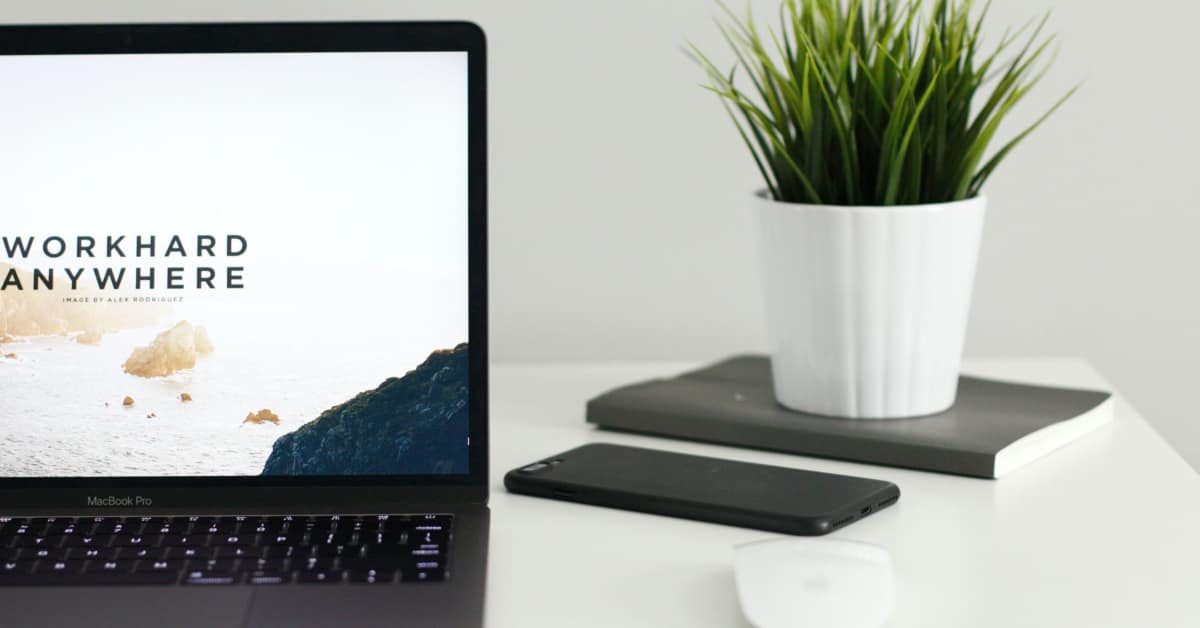
Maintaining productivity is impossible while working at home if you don’t have your own office. This is an issue most remote workers have when first trying the new work model. For some, there’s enough space around the house to create a makeshift office for the time being.

But for others, the limited space creates an even bigger issue. When we don’t have our own working space, distractions become a mainstay. Whether it’s your family members watching the TV or kids running around, how would you get things done when there are no walls between you and your family?

To make this new thing work for you, you must find a way to create your own working space. During the height of the pandemic, companies were forced to change business strategies to survive. On the other hand, employees were forced to look for creative ways to work with limited space and form home offices.

If you find yourself in a similar boat, having your own space is the first obstacle to eliminate.

@import url(“//fonts.googleapis.com/css?family=Roboto:400,400i,900,900i,700,700i,300,300i,500&subset=latin”);@media (min-width:300px){[data-css=”tve-u-05f99a23eb9fdc”]{background-color:rgb(255,255,255) !important;padding:1px !important;}[data-css=”tve-u-25f99a23eb9fe2″]{border-radius:5px;overflow:hidden;border:2px solid rgb(250,235,150) !important;background-color:rgb(249,240,187) !important;}[data-css=”tve-u-95f99a23eb9fe9″]{border:none;float:right;z-index:3;position:relative;font-size:48px !important;margin:0px !important;width:48px !important;height:48px !important;–tcb-local-color-icon:rgb(254,166,42);–tcb-local-color-var:rgb(254,166,42);–tve-icon-size:48px;}:not(#tve) [data-css=”tve-u-95f99a23eb9fe9″] >:first-child{color:rgb(254,166,42);–tve-applied-color:rgb(254,166,42);}[data-css=”tve-u-15f99a23eb9fe0″]{padding:30px 20px !important;margin-top:0px !important;margin-bottom:0px !important;}:not(#tve) .thrv-content-box[data-css=”tve-u-15f99a23eb9fe0″]:hover [data-css=”tve-u-35f99a23eb9fe3″] p,:not(#tve) .thrv-content-box[data-css=”tve-u-15f99a23eb9fe0″]:hover [data-css=”tve-u-35f99a23eb9fe3″] li,:not(#tve) .thrv-content-box[data-css=”tve-u-15f99a23eb9fe0″]:hover [data-css=”tve-u-35f99a23eb9fe3″] blockquote,:not(#tve) .thrv-content-box[data-css=”tve-u-15f99a23eb9fe0″]:hover [data-css=”tve-u-35f99a23eb9fe3″] address,:not(#tve) .thrv-content-box[data-css=”tve-u-15f99a23eb9fe0″]:hover [data-css=”tve-u-35f99a23eb9fe3″] .tcb-plain-text,:not(#tve) .thrv-content-box[data-css=”tve-u-15f99a23eb9fe0″]:hover [data-css=”tve-u-35f99a23eb9fe3″] label,:not(#tve) .thrv-content-box[data-css=”tve-u-15f99a23eb9fe0″]:hover [data-css=”tve-u-35f99a23eb9fe3″] h1,:not(#tve) .thrv-content-box[data-css=”tve-u-15f99a23eb9fe0″]:hover [data-css=”tve-u-35f99a23eb9fe3″] h2,:not(#tve) .thrv-content-box[data-css=”tve-u-15f99a23eb9fe0″]:hover [data-css=”tve-u-35f99a23eb9fe3″] h3,:not(#tve) .thrv-content-box[data-css=”tve-u-15f99a23eb9fe0″]:hover [data-css=”tve-u-35f99a23eb9fe3″] h4,:not(#tve) .thrv-content-box[data-css=”tve-u-15f99a23eb9fe0″]:hover [data-css=”tve-u-35f99a23eb9fe3″] h5,:not(#tve) .thrv-content-box[data-css=”tve-u-15f99a23eb9fe0″]:hover [data-css=”tve-u-35f99a23eb9fe3″] h6{color:rgb(52,73,94) !important;}:not(#tve) [data-css=”tve-u-15f99a23eb9fe0″]:hover [data-css=”tve-u-25f99a23eb9fe2″]{background-image:none !important;background-color:rgb(249,240,187) !important;border:2px solid rgb(254,166,42) !important;–tve-applied-background-color:rgb(249,240,187) !important;}:not(#tve) [data-css=”tve-u-95f99a23eb9fe9″]:hover >:first-child{color:rgb(254,166,42) !important;–tve-applied-color:rgb(254,166,42) !important;}[data-css=”tve-u-135f99a23eb9ff2″]{max-width:671px;float:right;z-index:3;position:relative;width:100%;padding:0px !important;margin-top:-2px !important;}[data-css=”tve-u-125f99a23eb9ff1″]::after{clear:both;}:not(#tve) [data-css=”tve-u-15f99a23eb9fe0″]:hover [data-css=”tve-u-95f99a23eb9fe9″] >:first-child{color:rgb(254,166,42);}:not(#tve) [data-css=”tve-u-145f99a23eb9ff3″]{font-size:24px !important;}[data-css=”tve-u-145f99a23eb9ff3″]{line-height:1.1em !important;}:not(#tve) .thrv-content-box [data-css=”tve-u-35f99a23eb9fe3″] p,:not(#tve) .thrv-content-box [data-css=”tve-u-35f99a23eb9fe3″] li,:not(#tve) .thrv-content-box [data-css=”tve-u-35f99a23eb9fe3″] blockquote,:not(#tve) .thrv-content-box [data-css=”tve-u-35f99a23eb9fe3″] address,:not(#tve) .thrv-content-box [data-css=”tve-u-35f99a23eb9fe3″] .tcb-plain-text,:not(#tve) .thrv-content-box [data-css=”tve-u-35f99a23eb9fe3″] label,:not(#tve) .thrv-content-box [data-css=”tve-u-35f99a23eb9fe3″] h1,:not(#tve) .thrv-content-box [data-css=”tve-u-35f99a23eb9fe3″] h2,:not(#tve) .thrv-content-box [data-css=”tve-u-35f99a23eb9fe3″] h3,:not(#tve) .thrv-content-box [data-css=”tve-u-35f99a23eb9fe3″] h4,:not(#tve) .thrv-content-box [data-css=”tve-u-35f99a23eb9fe3″] h5,:not(#tve) .thrv-content-box [data-css=”tve-u-35f99a23eb9fe3″] h6{color:rgb(27,119,179);}[data-css=”tve-u-15f99a23eb9fe0″]:hover [data-css=”tve-u-25f99a23eb9fe2″]{border:1px solid rgb(254,166,42) !important;}[data-css=”tve-u-15f99a23eb9fe0″]:hover [data-css=”tve-u-35f99a23eb9fe3″] p,[data-css=”tve-u-15f99a23eb9fe0″]:hover [data-css=”tve-u-35f99a23eb9fe3″] li,[data-css=”tve-u-15f99a23eb9fe0″]:hover [data-css=”tve-u-35f99a23eb9fe3″] blockquote,[data-css=”tve-u-15f99a23eb9fe0″]:hover [data-css=”tve-u-35f99a23eb9fe3″] address,[data-css=”tve-u-15f99a23eb9fe0″]:hover [data-css=”tve-u-35f99a23eb9fe3″] .tcb-plain-text,[data-css=”tve-u-15f99a23eb9fe0″]:hover [data-css=”tve-u-35f99a23eb9fe3″] label,[data-css=”tve-u-15f99a23eb9fe0″]:hover [data-css=”tve-u-35f99a23eb9fe3″] h1,[data-css=”tve-u-15f99a23eb9fe0″]:hover [data-css=”tve-u-35f99a23eb9fe3″] h2,[data-css=”tve-u-15f99a23eb9fe0″]:hover [data-css=”tve-u-35f99a23eb9fe3″] h3,[data-css=”tve-u-15f99a23eb9fe0″]:hover [data-css=”tve-u-35f99a23eb9fe3″] h4,[data-css=”tve-u-15f99a23eb9fe0″]:hover [data-css=”tve-u-35f99a23eb9fe3″] h5,[data-css=”tve-u-15f99a23eb9fe0″]:hover [data-css=”tve-u-35f99a23eb9fe3″] h6{text-decoration:underline !important;}:not(#tve) [data-css=”tve-u-175f99a23eb9ff6″]{font-size:18px !important;font-family:Roboto !important;font-weight:400 !important;color:rgb(52,73,94) !important;}[data-css=”tve-u-175f99a23eb9ff6″] strong{font-weight:700 !important;}:not(#tve) [data-css=”tve-u-165f99a23eb9ff5″]{font-size:19px !important;font-family:Roboto !important;font-weight:400 !important;}[data-css=”tve-u-165f99a23eb9ff5″] strong{font-weight:900 !important;}[data-css=”tve-u-65f99a23eb9fe6″]{max-width:12.4%;}[data-css=”tve-u-105f99a23eb9feb”]{max-width:87.6%;}[data-css=”tve-u-55f99a23eb9fe5″]{padding-top:0px !important;padding-bottom:0px !important;}[data-css=”tve-u-45f99a23eb9fe4″]{margin-bottom:0px !important;margin-top:0px !important;margin-left:-18px !important;}[data-css=”tve-u-85f99a23eb9fe8″]::after{clear:both;}[data-css=”tve-u-75f99a23eb9fe7″]{margin-left:0px !important;}:not(#tve) [data-css=”tve-u-95f99a23eb9fe9″]:hover{–tcb-local-color-icon:rgb(254,166,42) !important;–tcb-local-color-var:rgb(254,166,42) !important;}}@media (max-width:767px){[data-css=”tve-u-95f99a23eb9fe9″]{float:left;z-index:3;position:relative;padding-top:0px !important;margin-top:44px !important;}[data-css=”tve-u-85f99a23eb9fe8″]::after{clear:both;}[data-css=”tve-u-55f99a23eb9fe5″]{flex-wrap:nowrap !important;}[data-css=”tve-u-135f99a23eb9ff2″]{max-width:700px;float:none;position:relative;width:100%;z-index:4 !important;margin-top:-4px !important;margin-right:auto !important;padding-right:0px !important;padding-left:0px !important;margin-left:auto !important;}[data-css=”tve-u-125f99a23eb9ff1″]::after{clear:both;}[data-css=”tve-u-115f99a23eb9fef”]{–tve-font-size:1px;padding-left:7px !important;margin-left:4px !important;padding-right:0px !important;margin-right:-21px !important;}:not(#tve) [data-css=”tve-u-145f99a23eb9ff3″]{font-size:16px !important;padding-bottom:0px !important;margin-bottom:0px !important;line-height:1.65em !important;}[data-css=”tve-u-15f99a23eb9fe0″]{max-width:642px;padding-top:15px !important;padding-bottom:8px !important;}[data-css=”tve-u-35f99a23eb9fe3″]{min-height:1px;–tve-font-size:1px;–tve-line-height:8em;}:not(#tve) .thrv-content-box [data-css=”tve-u-35f99a23eb9fe3″] p,:not(#tve) .thrv-content-box [data-css=”tve-u-35f99a23eb9fe3″] li,:not(#tve) .thrv-content-box [data-css=”tve-u-35f99a23eb9fe3″] blockquote,:not(#tve) .thrv-content-box [data-css=”tve-u-35f99a23eb9fe3″] address,:not(#tve) .thrv-content-box [data-css=”tve-u-35f99a23eb9fe3″] .tcb-plain-text,:not(#tve) .thrv-content-box [data-css=”tve-u-35f99a23eb9fe3″] label{font-size:var(–tve-font-size,1px);line-height:var(–tve-line-height,8em);}:not(#tve) [data-css=”tve-u-175f99a23eb9ff6″]{font-weight:var(–g-regular-weight,normal)!important;–eff-color:rgb(52,73,94)!important;–eff-faded:rgba(52,73,94,0.6)!important;–eff-ensure-contrast:rgba(52,73,94,0.6)!important;–eff-ensure-contrast-complement:rgba(73,52,94,0.6)!important;box-shadow:none !important;border-bottom:none !important;background:none !important;text-decoration:none !important;animation:0s ease 0s 1 normal none running none !important;transition:none 0s ease 0s !important;padding-left:0px !important;–eff:none!important;–tve-applied-box-shadow:none!important;font-size:20px !important;font-family:Roboto !important;}:not(#tve) [data-css=”tve-u-175f99a23eb9ff6″]:hover{text-decoration:none !important;background:none !important;box-shadow:none !important;–tve-applied-box-shadow:none!important;}:not(#tve) [data-css=”tve-u-115f99a23eb9fef”] p,:not(#tve) [data-css=”tve-u-115f99a23eb9fef”] li,:not(#tve) [data-css=”tve-u-115f99a23eb9fef”] blockquote,:not(#tve) [data-css=”tve-u-115f99a23eb9fef”] address,:not(#tve) [data-css=”tve-u-115f99a23eb9fef”] .tcb-plain-text,:not(#tve) [data-css=”tve-u-115f99a23eb9fef”] label{font-size:var(–tve-font-size,1px);}:not(#tve) [data-css=”tve-u-165f99a23eb9ff5″]{font-size:20px !important;font-family:Roboto !important;}[data-css=”tve-u-35f99a23eb9fe3″] h1{padding:0px !important;margin:0px !important;}}

Develop Habits For Productivity

There’s no better tip to increase productivity levels when working from home than to get up early and finish your assignments before the clock runs out.

Ideally, you want to increase productivity levels by creating habits for better focus. Certain habits can help us go into a “work” mode, where we do the same stuff day after day and achieve great results. You want to model these habits towards productivity, as the sooner you finish your tasks, the sooner you get to “go home.”

We can apply the same logic when working from home. Even if you’re on a nine-to-five gist, there’s no one to bother you if you finish your assignments earlier. You can leave your laptop on and do other stuff.

But we won’t achieve the desired productivity levels if we don’t develop these habits for better focus. So what are some of these habits?

The obvious one is to eliminate distractions. Distractions negatively affect our productivity levels by preoccupying our minds with unnecessary stuff. Common distractions include checking social media, calling a friend, and listening to a podcast, all while working.

Another habit for better focus is to train your brain to fixate on the current assignment. To do that, you must go with the idea that a reward will await you once you finish it. Even if you hate doing the particular assignment, train your brain to get it done ASAP.

Lastly, learn to take short breaks. This last one is so influential and helpful that we will discuss it in the next part.

Take Short Breaks

“Taking short breaks between assignments will help increase productivity levels,” this study says. This is yet another “brain-training” habit where we convince ourselves we have time to take breaks when working on complex issues.

Short breaks, or microbreaks, are beneficial for your work and productivity levels. For many, this habit can be instrumental in achieving results when working from home. But that begs the question, how often should you take breaks from work?

There is no correct answer to it. The habit will work as long as you manage to finish your assignments. But that’s not to say there aren’t proven models. Some recommend taking five to ten-minute breaks for every hour of work.

You might be familiar with the twenty to thirty-minute breaks every three hours, but this model is proven quite ineffective compared to the previous one.

So once you clock an hour of work, go for a ten-minute break. You will immediately notice the difference.

Create A To-Do List

A to-do list is yet another helpful tool for increasing productivity. To-do lists are excellent because they lay out all the work you need to do for the day. Let’s say you have six tasks for the day.

You gain an overview of exactly what needs doing by creating a to-do list. Once you finish an assignment, you feel a sense of achievement and can move on to the next one. Remember to take a short break between assignments to adjust productivity and efficiency levels.

Daily to-do lists are even better when working from home. Once you wake up and hop on your work desk, make it a habit to create a list. Doing this helps you get off to a good start and make it easier to accomplish daily assignments.

“If you spend too much time thinking about a thing, you’ll never get it done.” 

– Bruce Lee

Conclusion

Working from home doesn’t have to feel like a chore. Many employees struggle to maintain or increase productivity levels despite the greater convenience of remote work.

Luckily, these five tips will help you increase productivity levels.

Want to learn more about increasing efficiency and productivity? Then check out the featured resource below to grab a free report; download, read it and take action 😊

choose your image

About The Author

Erik Bergman

Erik Bergman co-founded Catena Media and helped grow it to over 300 employees and a $200 million valuation before stepping away to start Great.com, an iGaming organization that donates 100% of its profits to environmental charities. In addition to running a successful online business, Erik also hosts the Becoming Great podcast, shares entrepreneurship tips with his more than 1 million social media followers, and contributes to sites like Entrepreneuer.com, Business Insider, Foundr, and Forbes.

Continue Reading
Optimized by Optimole