Articles

The Truth Behind Procrastination

The Truth Behind Procrastination

The Truth Behind Procrastination

Every single one of us can waste time either intentionally or not, but when it comes to building a successful business, often it’s far more of a subtle beast that we need to conquer: it’s our own fears.

When you’re dealing with self-doubt, everything feels a lot more difficult than it is. We find a million reasons not to get something done because internally we’re constantly sabotaging ourselves believe it’ll likely fail, so why bother?

Procrastination is a business killer. It’s also a dream killer because if you’re allowing negative thoughts and self-doubt to lead the way, you’ll never have enough faith in your abilities to see things through.  You’ll not only take longer to get ahead, but chances are you’ll never reach your desired destination.

Procrastination has been called the closest ally to underachievement, and for good reason.

Many of us are afflicted by negative, self-doubt so if that’s you, know that you’re not alone.  Feeling like we’re not good enough, or that any success we’ve experienced was somehow unworthy is a common struggle with entrepreneurs all over the world.

The “I’m not good enough” monster is only amplified when you see others in your industry succeed. You might wonder whether you know enough, are informed, skilled or equipped enough to be in a position of authority.

If you’re a coach or course instructor, it’s easy to feel as though you’re simply not knowledgeable or experienced enough to be charging people for your information.

Deep down, you know it’s not true. You’ve likely worked hard to get to where you are and deserve every bit of success you achieve.  Overcoming those feels will take personal will and determination, but if you make the commitment to yourself and your business, and you persevere, nothing will stop you from reaching those goals.

Don’t be your own worst enemy in business.  Be careful not to sabotage your own efforts.  Identify your weaknesses and move on to focus on your strengths.

Take action every single day so that you’re too busy killing it in your industry to let that negative voice cost you those aspirations.  Dig deep and diligently work towards improving your work flow while letting go of those negative assumptions.  

No, it won’t always be easy and it’ll take a determined effort on your part, but if you work towards reprogramming your way of thinking, you’ll vanquish those success-constricting messages and reinvigorate that desire that made you take the leap from employee to self-employed in the first place.

You got this!

Eliminating Distractions

You now understand the effectiveness of chunking (read the article here) and that by implementing this into your workweek you’ll get more done in less time, but we need to dig a little deeper.

Your work environment is just as important as your workflow.  You should do everything possible to separate your personal life from your work life, which means talking with friends and family who may feel that just because you now work from home, you’re free for conversations throughout the day.

Create a routine for yourself and try to stick with it.  If you can create a realistic work schedule that everyone in your life understands, you’ll be able to minimize distractions while making each hour count.

Doing this will also help you avoid burn out.  You can only go full-speed ahead for so long before you’ll suffer the consequences including a dried up creative well.

Pushing forward without breaks or any sort of normal schedule will also leave you scrambling to fix errors, revise projects and will cause you to overlook important tasks.

You’ve likely been through this already.  You gun so hard on a project for so long that you end up forgetting important information or overlook something that causes your project to fail.  Allow yourself time to reset. 

As for your office environment itself, it all depends on what helps you to stay focused. For some, they find that music helps them focus while others need it to be completely silent.

Do your best to figure out what kind of routine will get you into a working mindset.

Does working out in the morning help?

Do you have to shut off your phone, close your email, or fire up a playlist in order to spring into action?

Find your groove and stick with it.

Your family, your mental health, and your career will thank you for it.

Holding Yourself Accountable

Hopefully you already have ideas as to how to create an organized system that will boost productivity and help you place a value on your time.  If not, make that your top priority.

And your second?

Hold yourself accountable when you mess up.

If you’re struggling to get things done, it’s easy to switch up your routine believing that will help you get back on track.

However, if you take the time to analyze why you really fell behind in the first place, chances are you’ll be able to identify where things went wrong and it’s not always deserving of a new routine.

Take a step back and think about where and when your efforts were derailed.

Were you spending too much time in email or on social media?

Did you fail at prioritizing your goals and ended up spending too much time on things that don’t matter as much?

Self-correcting and holding yourself accountable are two very important lessons when it comes to being successful in your business.

The key is to develop habits that help you to work and to play.  Sound strange? It’s not really.  Just like you need to figure out a way to get into work mode, you also have to develop habits that help you shut it down when your creativity or quality begins to decline.

It’s way too easy to say, “just one more hour”, or to push through and get that “one more thing done”, but it does you no good if you end up having to revise that work because you were so burned out that you didn’t give your very best.  Your business deserves the best of you and so do your clients or customers.

Holding yourself accountable isn’t always easy, but it’s the enemy of procrastination. If you take the time to identify where you went wrong, you’ll stay clear of self-doubt by immediately correcting the issue and moving on.

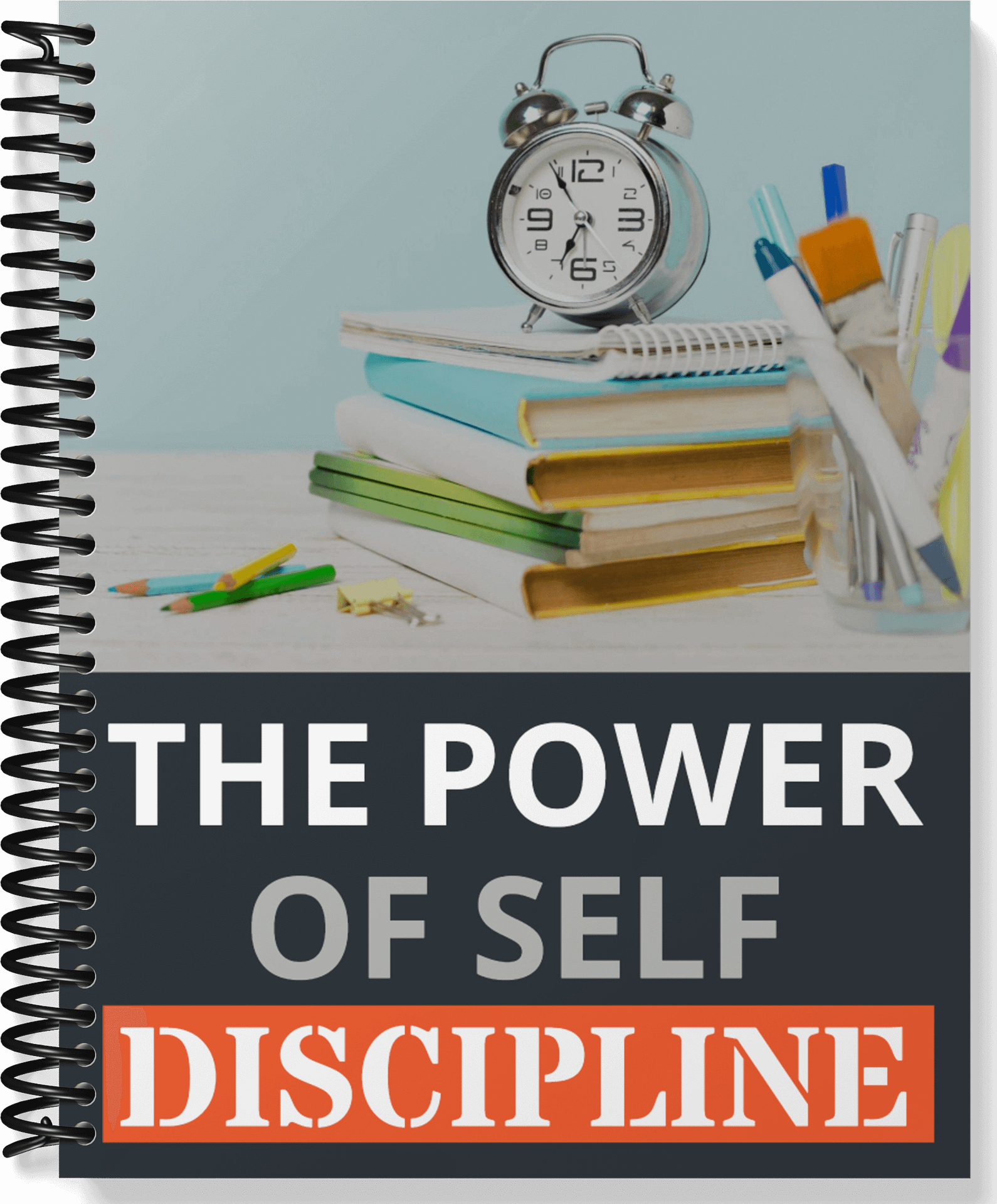
And remember, one way to stay productive is to be focused and many people struggle with this. If you want to learn more about staying focused, check out the featured resource below for a free detailed  report; download, read it and take action 😊

Continue Reading
10 Blog Posts You Can Create In 10 Minutes

10 Blog Posts You Can Create In 10 Minutes

10 Blog Posts You Can Create In 10 Minutes

No matter what kind of business you run online, there’s a good chance you have a blog. And if you have a blog, then you need a lot of content.

But here’s the problem…

It takes a lot of time to create that content. If you outsource it, then it’s going to take a lot of money. Either way, creating content is a big investment.

Until now…

If you think you can’t create great content fast, think again. That’s because you’re about to discover 10 types of blog posts you can create in 10 minutes or less.


By the way, if you are serious and want to take your blogging to the next level, check out the Rapid Blogging Blueprint. This is a premium level training that takes you through each and every step of setting up your own highly profitable blog and profiting from it. You can check it out here.


Take a look…

1. Create Articles Out Of PLR

Sometimes you might purchase PLR (private label rights) articles that you can minimally tweak and post right to your blog. In other cases, you might take excerpts out of PLR reports or ebooks, and then post these excerpts on your blog. Either way, it takes just minutes to create something unique and post it for your readers.

Here are some other tips for using PLR to create content:

  • Use the transcripts from a PLR video to create an article for your blog. These transcripts may be included with the package, or you can create your own.

TIP: This is particularly easy if the video includes slides, as you can simply create your article from the content of the slides.

  • Compile multiple pieces of PLR content to create something entirely new. For example, you might take excerpts out of three or four PLR articles to create an entirely new article.

And speaking of excerpts…

2. Take Excerpts From Your Products

Obviously, this is a super-quick way to create an article. But the other bonus of this particular strategy is that you can quickly insert a pitch at the end of the article to promote the full product.

Now, there are two ways to use these excerpts:

  1. One way is to simply pull the excerpt directly out of the product, create an introduction and conclusion, and post it on your blog.

 For example, let’s suppose you have a report that lists ten strategies for cutting calories. You can excerpt out three to five of these strategies to create your article. Then at the end of the article, you can pitch the paid report as the place to get more of these great strategies.

  1. The second way is to cut some of the meat off the excerpt so that people will want to buy the product to get all the details.

Let’s take the example of the report with ten strategies again. This time you excerpt out all ten strategies, but you edit out some of the details. So readers will get an article that tells them what to do, but they don’t get the exact instructions of how to do it. They’ll need to purchase the product to get those exact instructions.

Next…

3. Make Link Lists

A link list can come in a variety of formats, including:

  • A gear list. These are tools you use that you’d recommend to others. It saves beginners a lot of time and money, since they don’t have to do as much research.

For example, you might list all the plugins you use on your blog. Or if you’re writing to bodybuilders, you might make a list of all the “must use” supplements.

  • A list of free resources. Here you might link to blog posts, reports, videos and other free sources of content to help your readers achieve some specific goal.
  • A list of paid resources. In this case, you’d write a short review for each resource to let people know who can use it and its benefits.
  • A mix of paid and free resources. For example, “The Top 10 Resources Every Aspiring Copywriter Ought to Read.”

Again, the point is to save your reader time by doing some of the legwork and research for them. It’s much easier to get recommendations and content all in one place from a trusted source, rather than having to find products and sources yourself, and then have to separate the wheat from the chaff besides.

Next…

4. Recap Your Recent Posts

The idea here is to create an “in case you missed it” list of your best posts in the last couple weeks or months. Of course you don’t need to just list blog posts. Instead, you can curate your own content across platforms, including your social media accounts and newsletters.

Another way to do it is by curating your best (recent) content around a very specific topic.

For example:

  • Five Blog Posts That Will Change the Way You Think About Dieting
  • The Three Posts Every Beginner Marketer Ought to Read
  • The Five Keys to Improving Your Golf Score

All you have to do is write an intro to the post, list the resources along with a short explanation of why people should read each resource, and then wrap it up with a quick conclusion.

Next up…

5. Interview Someone

Here’s a great way to create content fast: let someone else create the content for you.

In this case, simply work up a list of questions by email and let your interviewee’s answers become your article. In exchange, your interviewee gets a byline with a link back to their site.

Here’s an example email to send to land these interviews…

Subject Line: I’d like to feature you on my blog, [name]

Hi [First Name],

My name is [Your Name], and I run the popular [type of] blog over at [domain]. The reason I’m writing today is because I’d like to interview you and feature this interview on the blog.

The interview is just [small number] questions, so it would only take about [small number of minutes] to complete.

In return, you’d get a byline and link back to your site, along with exposure to my [number] of readers and visitors. I’ll also send out the link to my [number] of newsletter subscribers and [number] social media followers.

If you agree that this sounds like a great way to showcase your business to a targeted audience, just reply back and I’ll send over the questions right away.

I look forward to hearing from you!

[sign off]

——-

Remember this: the easier it is for someone to comply with your request, the more likely it is that they’ll say yes. So don’t make your interviewee have to spend hours answering questions. Instead, shoot a couple quick questions their way that they can answer in just minutes. Then if you want more info, send a couple follow up questions.

Here’s why…

Once a person has answered your initial questions, they’ll feel invested and committed to your project. So if you ask for 10 more minutes of their time to answer a couple additional questions, they’re very likely to say yes.

6. Tweak A Previous Article

The next idea is to comb through your existing content, find popular articles, tweak them, and republish the new version.

For example:

  • If you previously published a list of ten tips, then excerpt out five of those tips, expand on them, and republish the new article.
  • Update an old article with new information, such as new research that has come on the scene since you originally published it.
  • Have you changed your mind about a product, idea or other topic? Update an older article with your revised opinion.

Those are just three ways to take your existing content and turn it into something new. Be creative, and you may be able to create dozens of new articles from your old content.

7. Turn Existing Content Into An Infographic

Another good way to quickly create content is to simply change your existing content into a different format. And one way to do this is by turning an article into an infographic.

Here are examples of articles that would make good infographics:

  • An article discussing multiple ways to boost conversion rates on a website.
  • An article explaining how metabolism works.
  • An article that talks about different garden pests and how to get rid of them using organic pest control methods.

Just be sure your infographic includes social media buttons next to it, because this is the kind of content people really like to share.

8. Ask For Content From A Vendor

Are you an affiliate for a product or service? Then one great way to quickly get your hands on some free content is by asking the product vendor to supply it for you.

Your first stop is to check the affiliate center, if one is available. That’s where the vendor has likely supplied affiliates with all sorts of content, including blog posts.

However, you want unique content, right? So don’t go straight to the blog post category, as all the other affiliates are likely copying and pasting those articles to their blogs. Instead, look at other content such as reports, emails and similar. Find something suitable, and then ask the vendor if you can modify it for your blog, such as taking an excerpt out of a report.

If you’re not finding what you like within the affiliate center, then write to the vendor and request an article. The vendor is more likely to give you content – especially exclusive content – if you’ve already proven yourself to be a good affiliate.

TIP: Here’s a powerhouse combo you can use to promote affiliate products while getting unique content for free: ask the vendor for an interview. Most vendors will be happy to get the exposure and extra sales. You can post a text interview, or you might even consider doing a short webinar or podcast.

9.  Do Multimedia Posts

So far we’ve been talking about how to quickly create text articles. However, you don’t need to write a single word if you don’t want to.

Instead, pick up a camera to do a quick video on the topic of your choice.

TIP: You can also simply turn on a microphone to do a quick podcast. You don’t even need expensive tools, as a simple tool like Audacity will let you capture and edit audio for free. You can get this tool at http://sourceforge.net/projects/audacity/files/.

For example:

  • Turn the camera on and just spend five minutes talking about your top five weight loss tips.
  • Film yourself trying out and reviewing a new product.
  • Give a demo on camera, such as how to teach a dog to sit.
  • If you’d like to demo something on your screen, such as how to set up a blog, then use screen-recording software such as Camtasia.

Then all you have to do is upload the video to YouTube.com (for greater exposure), and then post the embedded video on your blog.

10. Copy And Paste Your Emails

One very good source for articles and other content are your own emails. Here I’m talking about two things:

  1. If you broadcast an announcement, article or other content to your mailing list, then put this content on your blog as well.
    TIP: Let your newsletter readers know you’re posting the content on your blog, and then encourage them to click through and discuss the topic.
  2. If you reply to a customer’s question and you realize it would make a good post, then use it. Naturally, you won’t use any of the customer’s identifying information. Instead, you might say something like this at the beginning of the post…

“Just about every week, the same question tends to pop up in my email from people just like you. Take a look and see if you’ve wondered about this topic too…”

Conclusion

As you just discovered, you don’t need to spend a lot of time creating great content. All you need is ten minutes or less, and you can have a blog post ready to go out the door.

In fact, I bet you can create one of these posts right now and get it up on your blog right away. Go ahead and see for yourself just how quick and easy it is to create content using these tactics.

If you really want to know more about the power of blogging, you can take a look at the Rapid Blogging Blueprint training course or if you just want a few pointers for now you can grab the featured resource below for a  free blogging report; download, read it and take action 🙂

blogging
Continue Reading
2 Powerful Leadership Strategies

2 Powerful Leadership Strategies

2 Powerful Leadership Strategies

In a previous article we looked at communication, adaptability, strategic thinking as ways to become an effective leader.

Now we’re going to add a couple more powerful leadership strategies, namely team building and delegation.

The good thing about leadership is that you can learn the skills to become a great leader.

The thought of leading may make people shudder with fear but learning these skills will give you the confidence to be bold and take the reins and become the leader that you were born to be.

Team Building

We’ll always reach a higher level of success with a team. Even the self-made millionaires and billionaires out there didn’t do it entirely on their own. Bill Gates is a great example. Yes, he had a great idea when he created Windows – but he had a talented team of programmers, designers, writers, marketers, and administrators to help him launch it.

In this chapter, we’ll talk about why team-building is an essential leadership skill, and how you can recognize the areas where you need help so you can build a powerhouse team of your own.

The Benefits of Building a Strong Team

As hard as you may work and as determined as you may be, you can’t do everything on your own, nor should you. It’s not practical, and it’s not working smarter – it’s working harder.

Consider the phrase, “Jack of all trades, master of none.” You might be great at some things, but chances are there are areas in your business that would benefit from outside support.

You might be tempted to try to do everything yourself, telling yourself that you’ll save money. A lot of entrepreneurs make that mistake and it leads to failure. They undervalue their time and energy and underestimate how hard it will be to wear every hat, every day.

Choosing a team means that you’ll have ongoing support within your own customized network. You can delegate tasks – something we’ll talk about later – and have time to do the things you do best. You’ll also be able to enjoy other aspects of life because, let’s face it, you’ll work better if you make time to play, too.

The trick, of course, is building the right team.

Tips for Attracting Team Members and Knowing When You Need Help

You need a team, but where you do you start?

The first step is identifying the key areas where you need help. If you’re building a business, you’ll need to build a brand, create products, design your website, structure mailing lists, attract new clients, service those clients, and so on.

Start by looking at the things you do very well. Maybe you’re a killer salesperson or a master communicator. Those may be things you can do on your own.

Next, look at the things that aren’t in your wheelhouse. Maybe you have very little marketing experience or you’re not great at organization.

The first team members you hire should be the people who can help you with your weaknesses. You’ll have the best chance of success if you use this method.

The next thing you need to do is attract the right team members.

To do that, you’ll need to:

  • Write accurate and attractive job descriptions.
  • Offer fair payment.
  • Place ads to help team members find you or look for them on sites like LinkedIn.
  • Interview people.

Make sure that you ask for samples of their work where it’s appropriate and check their references. These days, it’s easy to hire people to work remotely without ever meeting them. You should set up Skype interviews with anyone you don’t plan to meet in person.

It’s also a good idea to impose a probation period on any new hires. That way, you’ll be able to make changes easily if you need to. Just make sure to put everything in writing.

Next, we’ll talk about delegation.

Delegation

In some ways, delegation is the most important skill of them all. I’ve already touched on some reasons why it’s important not to try to do everything yourself. The key to making that happen is to learn how to delegate effectively.

In this chapter, we’ll talk about why delegation is important and provide some tips to help you delegate the right tasks to the right people.

Why You Shouldn’t Try to Do Everything Yourself

If you want to be a great leader, you need to know how to delegate tasks and – just as importantly – who to delegate them to.

You might have a ton of energy and the will to do everything yourself, but as I said before, it’s not always an effective strategy. Not only will you be shouldering the responsibility for tasks that aren’t in your wheelhouse, but you also run the risk of burning out.

We all need down time – and we all do our best work when we’re focused on what we’re good at and love to do. Delegation allows you to focus your time and energy on the things you’re best it and the things that only you can do.

That means you’ll have more time to lead because you won’t be burned out from trying to do everything.

Tips to Help You Decide What to Delegate to Others

The trick to great delegation is knowing two things:

  1. Which tasks and jobs can be delegated; and
  2. Who should handle those tasks.

So, let’s take each of these things in turn, starting with knowing which tasks to delegate. You should delegate:

  • Things that your team members excel at
  • Things they can be taught to do
  • Things that don’t require your personal input

It might be useful to start by identifying the things that only you can do. These may include making strategic decisions about your team or meeting with investors.

Then, make a list of the things you can delegate. Once you’ve got the list, it’s time to think about who the best people are for those jobs. Here are some questions to ask:

  • Which team members already have skills that make them suitable for the task?
  • Which team members have shown aptitude for core skills, like communication, teamwork, or logic?
  • Which team members are eager to learn and willing to take on something new?

Any of these questions can help you identify people who are ready to handle the tasks and responsibilities you’ve identified.

Once you’ve identified the people you need, you should spend some time thinking about the training and support they’ll need to succeed with their delegated tasks. You may need to spend some one-on-one time with them or pay someone else to train them. They may need an outside class or seminar.

Delegate the tasks, and make sure that you communicate clearly and in detail about what you expect from each team member.

Make yourself available to answer questions, and most importantly, keep in mind that they may not get it right on the first try.

There’s a chance that you may need to adapt along the way. You might not pick the best team member for every task on your first try. The key is to keep an open mind, listen, and be patient.

You’ll need all your leadership skills to decide what to delegate, choose the best people for each job, and guide them along the way to success. That’s why I saved delegation for last – because it’s a skill that necessarily incorporates all the others we’ve discussed.

Whatever you want in life will require discipline to achieve and becoming a successful leader is a small part of this. And if you want to know more about harnessing the power of self-discipline, then check out the featured resource below for a free report; download, read it and take action 🙂

self-discipline
Continue Reading
3 Powerful Recurring Income Strategies

3 Powerful Recurring Income Strategies

3 Powerful Recurring Income Strategies

With a recurring revenue business model, you’ll be able to generate a steady and reliable income every single month.  Best of all, you don’t have to stick with just one format and can expand your network as you discover new demands for content.

The key is to always look forward ways to tie a product or service into a recurring revenue source. 

For example, even if you decide to create a traditional membership site platform to launch your business, look for ways to feed that traffic into an upset that’s based on a subscription service model. 

You always want to incorporate your funnel into a recurring income source whenever possible.

In a previous article we looked at recurring revenue streams and membership platforms

In this article, let’s look at software, physical product subscriptions and online courses.

So, let’s get cracking…

Software Products (SaaS)

SaaS stands for Software as a Service and is offered on a subscription basis.

The benefits are quite obvious to customers: in exchange for their recurring payments, they are given the ability to use the software while knowing that it is updated regularly and that they’ll gain access to prompt customer support.

From Drop Box and Adobe to mailing list providers like MailChimp and Aweber, many of the leading brands have incorporated SaaS into their businesses and for good reason:  Doing so drastically increases their yearly income, while making it easier for them to provide value to their customer base.

Not ready to create your own SaaS product? No problem!  You can still build recurring income in this industry by promoting useful products and services that your customer base could benefit from.

For example, perhaps you run a community focused on teaching people how to build a successful blow. You could create a training program that teaches them how to launch a successful website, while promoting the tools they need to get the job done.

This might include SaaS based mailing lists, hosting for their blog, or perhaps design and graphic tools, as well as plugins.  The possibilities are endless when it comes to making money promoting a variety of recurring revenue products.

There are dozens of important tools you can easily promote within your own content to generate revenue.

And for every new customer you send their way, you’ll earn a recurring income from their ongoing payments. Win-win!

Physical Product Subscriptions

You’ve likely heard of the Dollar Shave Club as well as other subscription boxes that focus on health, fitness or cosmetics, just to name a few.  These are growing in popularity every single day.

Here’s how it works:

Customers subscribe to a service and in exchange they receive a box or products every month.  The products vary but are usually all in the same niche or industry.

This format works well because recipients not only look forward to receiving new products every month in the mail, but they become part of a community of active users.

Most product-based subscription sites host groups and forums where people can discuss the products and share feedback. Cosmetic lines promote their subscription boxes by asking users to upload photos of them using their products and they create tutorials based on the different cosmetics included in the monthly offering.

The downside is that creating a physical product subscription program isn’t always the easiest business to launch as it will require coming up with products and packaging as well as shipping and distribution partners, but don’t overlook the possibilities. There may be a way to simplify the program so that it works for your business.

For example, an author who self-publishes books via Amazon KDP could create a subscription program where readers can sign on to receive a new book every month via their exclusive book club.

While an author may not release a new book every month, they could easily send out some of their favorite reads, promoting other up-and-coming authors.  The shipping costs would be minimal and it could even be automated through sites like Lulu.com.

How could you incorporate a physical product subscription into your business? 

It’s time to put that thinking cap on and see how you could take advantage of this profitable opportunity!

Tip: You could also combine a membership program with a physical product subscription plan.

For example, you could sell access to an online training program that offers guides, tutorials and videos and provide them with a physical copy of the course via a book.

Online Courses

While courses don’t usually bring in recurring income on their own since many are designed on a platform that involves a student paying a one-time fee for access to the training, you can still generate consistent recurring revenue by focusing on a strong front-end sales funnel that directs students to other products and services.

For example, while your course may be a one-time charge, you could give students the option to upgrade to a monthly membership that offers tools and resources associated to the topic of the training program.

This could include additional auxiliary components such as webinars, printable downloads or additional workbooks that go beyond the scope of your course.

Start by thinking about a topic for your course, as well as the content formats you would feel comfortable creating.

This could include:

  • Text-based lesson plans
  • Video Tutorials
  • Webinars
  • Interviews with Experts
  • Workbooks and Customized Lesson Plans
  • Printables (checklists, guides, etc.)

The key is to identify an ongoing demand for help with specific problems.  Your course should always focus on one main niche so you’re able to create content that is in-demand, relevant and focused.

At the same time, you don’t want to box yourself into a corner. The topic you choose should be something you can see yourself still interested in a year from now.

You don’t want the problem to be easily solvable, either.  Your goal is to find a way to create a course that provides a workable system that addresses the issues that people are struggling with. 

By purchasing access to your course, they are given the knowledge needed to accomplish specific goals.

Most of the top-selling courses focus on one main subject and then they expand their program by allowing students to either purchase additional access to upgrades or by offering additional resources after someone has graduated from the course.

Don’t let anything stand in your way! Even if you aren’t an expert on the topic, chances are you still have something worthy of teaching and that people will pay money for.

Keep in mind that for your membership program to be successful, you need to come up with a strong hook.

A hook reels you in.  It sets your program apart. It works at differentiating your program from your competitors and tells potential subscribers why they benefit from signing up for your program. It’s visceral and compelling.

Evaluate your membership program’s strengths and unique benefits.

  • How does it stand out?
  • What is the greatest asset you offer members?
  • How is it different?
  • What will someone learn or improve by being a part of it?

Your task of the day:

Step 1: Identify an ongoing problem in your niche where people are actively seeking guidance, training and ultimately, a solution.

Step 2: Create a list of topics that you should cover in your course based on those common questions. Then, decide on the various formats you plan to use (video, printables, workbooks, etc.).

Step 3: Next, go through that list and narrow your focus so that you are targeting a specific segment of your market.

Need help identifying a problem in your niche or coming up with a topic for your course?

Here are a few ways to uncover possibilities:

Send an email out to your mailing list that asks what your readers need help with.  You can either set the email so they reply with their own feedback, or choose 3-4 topics and create a survey that asks them to choose only one.

Discover ideas for your course by searching popular blogs and Facebook groups in your niche. See what people are talking about and what questions are commonly asked.  

Search Reddit sub-threads as well as Q&A sites like Quora for popular questions and ongoing discussions. You want your course to be based on an evergreen, common problem in your market.

Search platforms like Udemy.com and Teachable.com to see what courses are selling and what kind of training is being offered.

Sites like Teachable will show you a breakdown of all lesson plans so you can get a feel for the scope of the training and identify what could be missing. Then, include coverage in your own course to stand out in your market.

Tip: Creating a training program is easy with sites like https://www.Teachable.com because you aren’t required to build your own website or learn HTML.

All you have to do is enter in your content or link to your videos and Teachable will compile your course so that people can move through it at their own pace while keeping track of their progress.

If you want to know more about creating a profitable online course, check out the featured resource below for a free report; download, read it and take action 😊

online course

Continue Reading
How To Become An Effective Leader

How To Become An Effective Leader

How To Become An Effective Leader

Everyone has had the experience of working for a not-so-great boss. While it’s common for people to be promoted into management when they excel in non-leadership positions, the truth is that a lot of the people who get those promotions don’t have the skills they need to effectively manage their team.

In other words, they lack the must-have leadership skills that all great bosses have in common.

The good news is that they’re skills you can easily learn. In this article, we’ll look at three essential leadership skills you need to successfully manage a team, and how to set yourself up for long-term success.

These critical steps include: communication, adaptability, strategic thinking, team building and delegation and we’ll look at the first three in this article.

Are you ready to learn what it takes to become an effective leader and put these leadership strategies into practice? Let’s get started!

Skill 1: Communication

Without proper, clear and concise communication, you can’t hope to become an effective leader.

Communication is your best tool for explaining your ideas, setting expectations, and building your team. In this chapter, we’ll talk about why strong communication skills are essential for leaders and share some tips about how to communicate effectively both in writing and in person.

The Importance of Interpersonal Communication

Interpersonal communication is what builds relationships. If you listen to employees complain about their bosses and employers, one of the top issues they’re dealing with is usually lack of a direct and clear channel of communication.

Of course, communication goes both ways. But, as a leader, it’s your job to set the tone for interaction within your organization or team.

Effective communication:

  • Minimizes misunderstandings and confusion
  • Ensures that team members know what you expect
  • Encourages communication among team members
  • Increases the chances that you’ll reach your goals

Any time you touch base with your team or with a client, you’re using communication skills. That means every phone call, every meeting, every chat, and every email reflects your ability to communicate and keep a pulse on how projects are going.

Tips for Effective Communication in Writing and Off the Cuff

What makes for effective communication? The hallmarks of a good communication are clarity, detail, and honesty.

Clarity means that you must be able to articulate what you want in a way that the person you’re talking to can understand. You’re not communicating effectively if the listener or reader can’t understand what you need or expect from them.

Detail means that you are specific about what you want, expect, or need to know. If you delegate a task and the team member still has questions about what to do or how to do the job, your communication skills have fallen short.

Honesty means that you must be truthful when communicating with your team. That doesn’t mean you need to tell them everything you’re thinking all the time, but it does mean that you cannot mislead them or deliberately omit information that might help them achieve the goals you’ve laid out for the team.

Here are a few tips for communicating effectively:

  • In writing, keep your sentences and paragraphs short
  • Think about what you say before you say it
  • Always keep your audience in mind. Don’t use jargon unless you’re sure they’ll understand it
  • Pay attention to how the listener reacts to what you say
  • Be available to answer questions and patient while you do it

These tips will help you be an effective communicator and enhance your ability to lead.

Coming up next, we’ll talk about why you must be adaptable if you want to become a great leader.

Skill 2: Adaptability

You’ve heard about survival of the fittest. It’s the principle that tells us that only those who can handle change and cope with adversity survive. In other words, adaptability is necessary – and it can mean the difference between success and failure in your business.

In this section, we’ll talk about why great leaders must be adaptable, and provide some tips about how you can increase your adaptability and learn to go with the flow.

How Adaptability Can Help You Succeed

In our professional lives, things seldom go the way we want them to. There are too many variables for that to always be the case and often, the things that derail our career or our personal lives feels as though it’s out of our control.

There have been many times in my life when I’ve had an expectation that hasn’t been met – and I’m willing to bet that’s true for you, too.

The bottom line is that what you do in the face of adversity is what’ll determine whether you’re able to quickly recover, reset and get back on the path to success.

If you have a setback, do you get up and keep going – or do you give up and move onto something else?

Great leaders learn to go with the flow. They understand that success doesn’t happen overnight. Their adaptability helps them get through failure and come out the other side a winner.

Tips for Increasing Adaptability and Going with the Flow

Some people have a high level of adaptability naturally. If that’s you, then you’re probably in good shape.

But what if it’s not? What if you’re easily discouraged or daunted by setbacks? Is there anything you can do to increase your adaptability?

Yes!

Here are some tips to help you increase your adaptability and go with the flow.

  1. Make contingency plans. You should always have a Plan B. It doesn’t mean you’re planning for failure. Instead, it means that you’ve given thought to what you’ll do if Plan A doesn’t go as planned.
  2. Practice resilience. If you’re like most people, you probably experience tons of small setbacks. When one happens, pay attention to how you react and think about how you can switch up your internal monologue to be more positive.
  3. Come up with a daily affirmation to remind yourself that you can deal with disappointment. You might try something like, “Even if things don’t go my way today, I’m going to keep going and not get bogged down by it.”
  4. When something goes wrong, don’t react immediately. Take a few deep breaths and let yourself feel the disappointment. A lot of times, we get wrapped up in disappointment because we’re trying to hard to overcome it. It’s okay to feel disappointed – but it’s not okay to let it get the best of you.

These tips can help you learn to be more resilient. Even a big disappointment or a disappointing failure doesn’t have to mean that your goals are out of reach.

Coming up next, we’ll talk about how to build a team – something that’s very important for every leader. Keep reading to learn more!

Skill 3: Strategic Thinking

Strategy thinking is an essential element of leadership. In this chapter, I’ll explain why and give you some tips for improving your strategic thinking and planning skills.

The Role of Strategy in Success

Strategy is simply long-term planning with a fancy name. You have a goal in mind and then you map out a step-by-step plan to achieve it. If you want it to work, your strategy must be logical and practical. Each step you take should build to the next step.

Without strategy, it’s very difficult – maybe even impossible – to achieve your biggest goals. You might have the goal to be the CEO of a Fortune 500 company. Your strategy might include getting an MBA and a host of other steps that will put you in a position to achieve that goal.

The thing about strategy is that it’s not just for you. Having a strategy in place can help you get investors to fund your company, and it can also help you inspire your team.

Tips for Improving Your Strategic Thinking and Planning Ahead

Some people have a natural gift for strategic thinking. They’re the people who are great chess players and who naturally seem to see everything 10 steps ahead.

If you’re not one of them, don’t worry. Here are some tips to help you improve your strategic thinking.

  • Before you make any decision, think about some possible outcomes and brainstorm what you’ll do next with each one. This is the kind of practical thinking that can help you become a better strategist.
  • Think about your goals and work backwards to figure out what actions will help you achieve them. Think of this as reverse-engineering a strategy.
  • Ask team members and trusted friends for suggestions to help you plan strategically.
  • Try creating a timeline to plan each step on the way to your goal.

The more you practice strategic thinking, the easier it will be.

Whatever you want in life will require discipline to achieve and becoming a successful leader is a small part of this. And if you want to know more about harnessing the power of self-discipline, then check out the featured resource below for a free report; download, read it and take action 🙂

self-discipline
Continue Reading
Optimized by Optimole