Motivational

The Problem Of Procrastination

The Problem Of Procrastination

The Problem Of Procrastination

Do you often find yourself putting off things you know you need to do? Even things that are in your own best interest?

Are you late for appointments? Do you miss deadlines? Ignore tasks, even important ones?

Have you ever wanted something very much but found it impossible to get started on it? …And the more you wanted it, the more difficult it was to take action?

Not a good feeling, right? You’re frustrated and angry with yourself, and the worst part of it all is that you don’t understand why it’s happening. You’re falling behind on the job and frustrated at home, and it just seems to be getting worse. You want to achieve more. You see other people making progress.

Whatever it is that you want to accomplish, there is a way for you to accomplish it. By the end of this series of articles, you’ll understand what’s holding you back, and you’ll be able to make a practical plan you can count on to help you achieve the things you want.

Increased understanding of the primary causes of procrastination and the most effective techniques for dealing with it will give you emotional freedom and a secure, positive self-image. You will be on your way to creating your optimum life.

In this article let’s take a look at what procrastination actually is; defining this can really help to overcome it, so even though it may appear a little silly, bear with me.

The Mystery of Procrastination

Whether it’s a discussion of setting goals, time management, or procrastination, they all begin with a discussion of attitude. That might seem strange, but there are very good reasons for it. We all have strengths and weaknesses, and some of those weaknesses are very likely at the root of our procrastination.

Some of us think we lack willpower, and some of us think we just don’t have the determination to follow through, no matter how much we want something.

Sometimes we say to ourselves,” When this thing happens (whatever it is), I’ll be ready to work for that goal.” But putting things off that way is just another way of not taking responsibility.

Some of us really don’t know what we want for ourselves. You see people all around you achieving things, but sometimes it can be difficult to know what you want, what your own special priorities should be, and the things unique to your own life that would make you happy.

Some of us enjoy being carefree and living for today. We have an actual resistance to setting goals, but goal setting is crucial to achieving the life we want to live.

Sometimes, we do the opposite and set goals that are so daunting that we think we can never achieve them. We can become overwhelmed, and not realize we can accomplish our goals one step at a time, one part at a time.

A little organizational skill can help us break those goals down, make them manageable, and help us sustain our motivation while reaching those goals. If you want to know more about productivity, you should check out this post here.

Some of us are perfectionists and are afraid that any failure means that we as human beings are failures. This can be a paralyzing idea, and it’s just wrong.

Most of us learn best from the things that do go wrong in our lives. You may have heard this before, but it’s true. We enjoy the good times, but we learn from the bad times. Obstacles and failures can be a great opportunity for personal growth if we allow them to be, and don’t let them overwhelm us!

Here’s a great saying for your arsenal: “The greatest failure is not having tried.”

Comparing ourselves with others is another bad habit that can be paralyzing. Often, we endure self-inflicted blows to our self-esteem when we think that others are smarter, better educated, more attractive, or nicer than we are. Again, this kind of thinking is wrong. We all have the strengths and skills that we need to achieve the goals that are right for us.

Some of us are loners who just can’t stand to ask for help. But obviously, large projects need to be done with the assistance of others. And most of us need cooperation and support in one way or another in our lives.

Others of us have real difficulty in prioritizing and managing our time. This can be difficult since life has a way of intervening to upset our plans. Luckily, setting priorities and managing time are skills that can be learned when you have the right attitude.

Sometimes, we lack self-confidence because we don’t have the necessary skills. While this may be true, often we don’t recognize the skills we do have. Once you recognize your strengths and skills, you’ll be able to start using those in your favor. This will increase your self-confidence and keep you moving toward your goals.

If you’re one of those people who think you have no willpower, you might be right. That’s a big club! But the secret here is that developing willpower comes from a combination of using self-discipline and managing the fears that are holding you back. Once again, we’re in luck: both of those skills can be learned.

You might have a few ideas of your own about why you procrastinate. Add those to this list. When you know a few key things about yourself — your strengths and weaknesses, you skills, and your patterns of behavior — you’ll be able to develop some key skills to help you stop procrastinating and achieve your goals.

So, in the next article in this series, we’ll look at how to evaluate your strengths and weaknesses.

One way to beat procrastination is to stay focused and many people struggle with this. If you want to learn more about staying focused, check out the featured resource below for a free report; download, read it and take action 😊

Continue Reading
4 Powerful Benefits Of Mini Habits

4 Powerful Benefits Of Mini Habits

4 Powerful Benefits Of Mini Habits

If you haven’t heard of mini habits, you’re in for a treat. Imagine making only small adjustments in your life, and still managing to create impactful and meaningful change.

The mini-habit is just what it sounds like – it’s taking the premise that doing a whole lot of small things will eventually add up to something amazing. Think, for example, of what would happen if you only read a couple of news articles every day?

Before you know it, you’d have accomplished the goal of becoming more informed, and would be better able to handle discussions about current events.

Mini habits don’t stop there though. Not only can your mini habit change how you get things done, but they impact your mind and body as well. Read on to discover the powerful benefits of mini habits.

1. You Create An Atmosphere Of Success

By setting small goals, you’re much more likely to meet them. So instead of telling yourself that you’re going to return all your phone calls promptly, you instead focus on returning the next phone call on time.

That takes off the huge expectations that always felt so daunting in the past and left you with a feeling of failure when you couldn’t quite make it.

What’s even better is that meeting these small goals means you get to where you start expecting success, which leads to the mindset that will generate that success you’re expecting.

2. You Change How You View Your Capabilities

By accomplishing mini-goals, you start to realize that you do have the ability and power to accomplish things. Your confidence grows, and you gain a better, more positive sense of your abilities.

And this becomes a cycle of success which can be really powerful in helping you to achieve your goal.

Many people underestimate what they can achieve or are capable of; don’t be that person! If you put your mind to it, you can achieve far more than you ever thought possible.

3. You Rediscover Motivation

Motivation is sometimes hard to come by and gets used up quickly. That’s why mini habits are important as they don’t rely on motivation to accomplish things, they grow from willpower instead.

Then as you reach those goals, you start to feel the energy of that success, which in turn creates motivation to keep going.

The more you achieve, the more you believe and that can be incredibly motivating.

4. Changes That Last A Lifetime

Yes, you really do create a series of changes that you will carry with you your entire life.

Mini habits done daily will build up those larger habits that you’ve been trying to build all along. Like starting with a single push-up every day and creating almost as a by-product that habit of daily exercise that had seemed so daunting not all that long ago.

Mini habits not only change how we do things but change how we think and act. By making a practice of following mini habits, you will affect some pretty major change.

So, now you know the importance and benefits of developing positive habits, let’s look at a really powerful but simple morning habit that can get your day off to a great start, and it only takes 10 minutes.

A 10-Minute Morning Routine That Will Get Your Day Started Off Right

Most morning routines you find online take hours to complete. Thirty minutes of physical activity, three pages of Morning Pages, or twenty minutes of meditation.

Most people do not have that kind of extra time in the morning. However, in only ten minutes, you can create a morning routine that will put you in the right mindset to conquer your day.

Read below to learn a few time-saving practices you can incorporate into your morning.

Minute 1 – Drink Water

Start keeping a large glass of water beside your bed. Before you even get out of bed, drink the dang water. Your body is dehydrated after a long night of repairing itself, and you need to replenish that.

Drinking water will also help reduce the morning fog and grog that follows so many into their workday despite multiple cups of coffee.

Minutes 2-3 –Breathe

Now that your body is rehydrating take a few minutes to do simple breathing exercises. This is as easy as timing your breaths to take six to ten deep breaths through one minute.

Timing your breaths will force you to focus on your breathing and your body. Helping you to wake up and calm yourself for your day.

Minutes 3-6 – Stretch Your Body

Gentle stretching will get your blood flowing, and your body has woken up. This will also help to ease you into the process of getting ready and the day ahead.

Stretching has long term benefits as well including better circulation and flexibility overall.

Minutes 6-9 – Give Thanks

Take a few moments to reflect on what you are thankful for. You don’t have to write these down or keep a record on your phone.

Just take a few moments to single in on aspects of your life you are thankful for and why. This will put a positive spin on your day and keep you present through the difficult moments.

Minute 10 – Visualize Your Success

Visualizing the successes you wish to have through the day will cement them in your mind and help you to become more confident. These can be successes for the day (a successful meeting) or long-term successes (finishing that half marathon or saving up a down payment on a house).

You may not have hours to devote to morning routines, but maybe you can spare ten minutes of your morning to starting off on the right foot (or breath).

Try this simple routine tomorrow morning and see what kind of a difference it can make to your day.

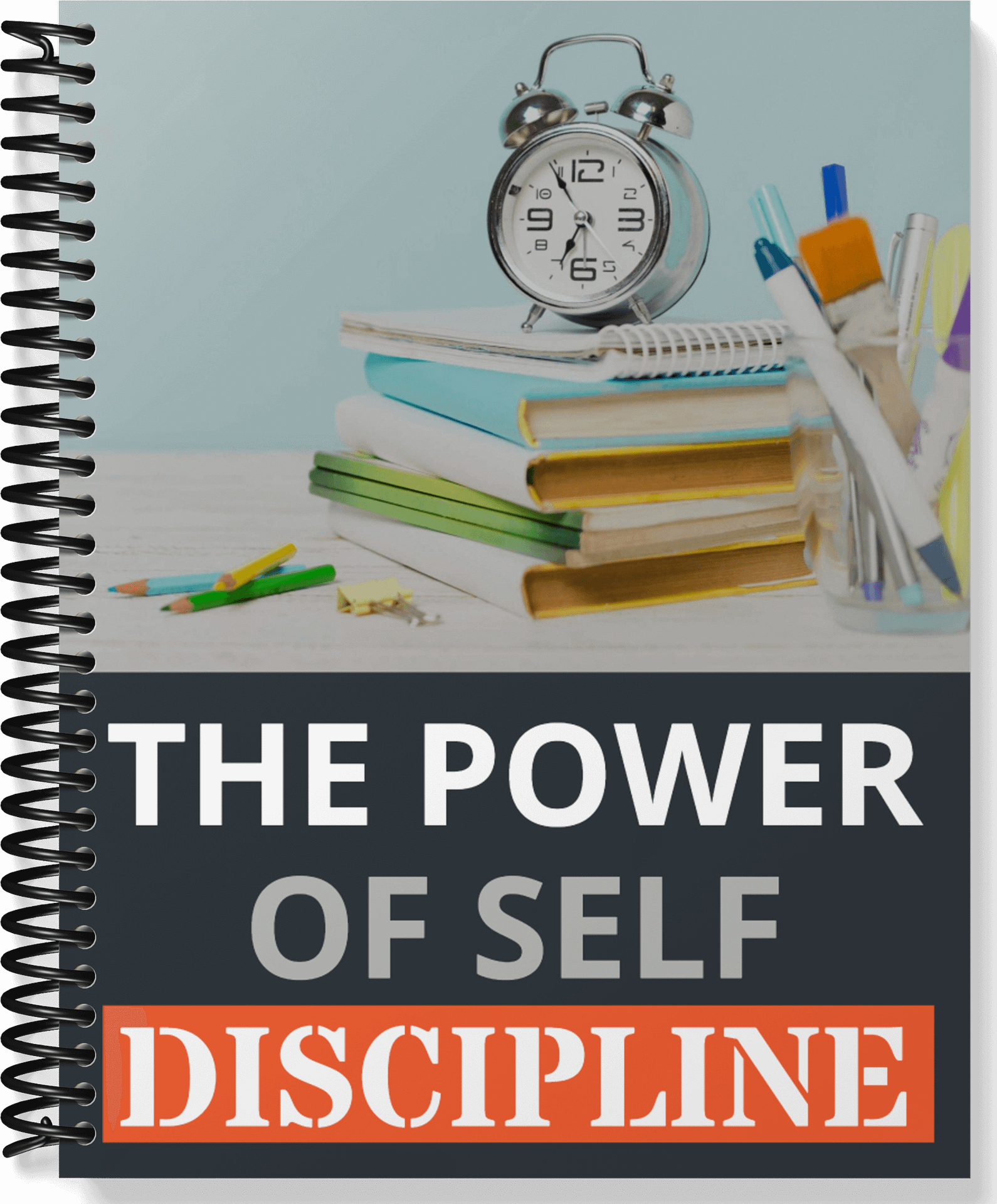
Creating habits requires self-discipline and many people do lack in this area. If you want to gain more self-discipline, check out the featured resource below where you can get a free report about the Power Of Self-Discipline; download, read it and take action 😊

self-discipline

Continue Reading
3 Tips To Boost Productivity And Focus

3 Tips To Boost Productivity And Focus

3 Tips To Boost Productivity And Focus

We live in an era of information overload. We are bombarded with media, technology, entertainment, and notifications every day. It seems there are hundreds of people and things competing for your attention at any given time. There is no wonder why in the last few years, our attention spans have become shorter and our ability to focus has decreased.

Your time is valuable. Not being able to focus can have a negative effect on how successful we are at work and in our personal lives. Focus is a skill that we develop by training and practice. Productivity requires intention and strategy to help make your time work for you!

Let’s begin by examining some productivity maximizers that make us more productive. We will discuss tips and techniques to help improve your focus. Then let’s look at how holding yourself accountable can help you to improve your productivity today! Finally, we’ll look at how you can start to set time limits on projects to keep you on track.

Productivity Maximizers

Hacking your mind to increase your productivity is just one part of the process.

The next relies on maximizing that productivity. You’ll need to decrease burn out, as well as focus on the end results.

In addition, learning to turn your goals into processes will help you get more done.

How To Decrease Burnout

Burnout is a very real problem that affects your productivity. The work-life balance is hard to achieve, but it is necessary.

Symptoms of burnout:

  • Inability to concentrate
  • Lack of energy
  • Having many non-productive workdays in a row

It’s clear that a burnout period can make it even tougher to get your tasks done. Thankfully, there are some tricks to help you get out of this slump.

Some of them involve taking time for yourself.

Start meditating, get plenty of sleep, take a few hours off and do something fun. Force yourself to have more of a work-life balance.  

Not only will these activities help prevent burnout, but with them, you can overcome it. You’ll end up much more productive as a result.

Focusing On The End Result

What’s the end result of the items on your “to do” list? By focusing solely on the goal instead of the individual tasks, you’ll be more likely to get everything done.

The end result can be either big or small.

For example, it could something as simple as completing a project, or as large as winning an award or meeting a sales goal. View each task as a step that needs to be taken in order to get the proverbial finish line.

By changing how you think about your tasks, you’ll be able to achieve more. The process stops being about getting one thing done and instead focuses on meeting a goal.

Concentrate On Processes

Stop thinking about your goals as events, and instead, consider them processes instead. The difference lies in learning how to enjoy everything that it takes to meet those goals. Once you love what you do, you’ll want to work harder.

Now let’s take a look at accountability.

Holding Yourself Accountable

If you’re struggling to get things done, it’s easy to switch up your routine believing that will help you get back on track.

Sometimes this is effective, sometimes it only makes it harder to refocus our attention where it’s needed most.

It’s always better to take a step back and evaluate why we’re losing focus. What is happening in our lives that we’re finding ourselves running out of steam?

What can we do to refresh and refocus so that our attention and energy is going on the things that matter? And where is that time going?

Were you spending too much time in email or on social media trying to respond to customers or provide instant support?

If so, consider outsourcing support inquiries to a live agent or support desk so that you aren’t constantly distracted by people who need your time while still being able to provide prompt service.

P.S. Want to know more about outsourcing? Click here for a great post to read and you can also get a detailed outsourcing report here .

Did you fail to prioritize tasks and goals and ended up losing focus because you are constantly multi-tasking in an effort to catch up?

If so, consider using a product management tool that will guide you through each workday. The key is to develop a regular routine, along with work habits that improve your focus and workflow.

It’s also important to know when your struggle to focus is your body’s way of saying it’s had enough.

It’s way too easy to think you can push out one more hour or get that one more thing done each day but when your mind has had enough no matter what you do, you’ll struggle to regain focus.

Instead, give yourself time for creative breaks so that you’re able to reenergize and boost that productivity.

Burn out is a real thing and it’s the #1 focus killer so learning to hold yourself accountable while still also giving yourself room to take those necessary breaks so that you’re able to boost creativity and output is important.

Setting Time Limits On Projects

It’s easy to get caught up spending more time on a project that you initially planned.  We can always find ways to tweak and improve our brand, services and products – but the problem is that not all of this time is wisely spent.

In fact, it’s often a better idea to get these to market rather than fall behind because you’re trying to get everything “just right”.

Let your market dictate the time you allocate to your projects.

Here are a few tips to help you improve focus and boost productivity:

Block Time

Set time limits on every single task – no exceptions.

Lay out the groundwork for each project you are working on, including a complete overview of how to get from start-to-finish. Then, create to a schedule and stick to it!

Assign time blocks to every task so that you can stay focused while being reasonable with how much time each goal will take.

Not only will doing this help you get more done in less time, but it will immediately improve your focus because you are allocating a specific amount of time to one thing – and following through with it.

Prioritize

We can easily waste a ton of valuable time by trying to get everything done at one but without creating a priority list that outlines the most critical steps in the process of reaching your goal, we can end up struggling to meet deadlines.

Not every task on our ever-growing to-do list is essential.  It’s important that you are able to identify what is absolutely required from your list of “want-to’s”.

WANT TO Doesn’t Mean You HAVE TO.

When you’re running short on time and you’re struggling to focus, a priority list becomes even more important.

And by breaking your tasks down into chunks that are assigned a clear value, you’ll be able to zero in on the parts of your business that need more attention while freeing up valuable time.

Prioritization is a crucial skill to master so take the time to get used to it.

Create A Routine

This is a critical step in staying focused. It begins with creating a strategy and regular routine based on when you are most productive, creative and able to produce without distractions.

Do you feel more creative in the early mornings but discover that your energy tapers down by noon? Then set your alarm and start working earlier, giving yourself a cut-off time.

Do you have to shut off your phone, close your email, or fire up a playlist in order to spring into action?

Separate Business From Personal (If Possible)

Your work environment is just as important as your overall workflow.  You should do everything possible to separate your personal life from your work life so that you are able to eliminate distractions and focus on your priority list.

If you work from home, you should have a dedicated area to work in, ideally a home office. In there is work time, out of there is home/personal time.

Boundaries are very important for productivity so try to make use of them if at all possible.

Mute That Inner Voice Of Doubt

If you’re allowing negative thoughts and self-doubt to lead the way, you’ll never have enough faith in your abilities to see things through.

You’ll not only take longer to get ahead, but chances are you’ll never reach your desired destination.

Well, there is a lot more to be learnt about increasing focus and productivity; far more than can be covered in this short post, but if you’d like to know more about this, then click on the featured resource below where you can pick up a free report that covers this topic in more detail. Download, read it and take action 😊


Continue Reading
The Power Of Outsourcing

The Power Of Outsourcing

The Power Of Outsourcing

There’s no doubt about it: outsourcing important tasks to qualified freelancers is the easiest way to free up your time and resources while being able to focus on the things that matter most.

And it helps you to work on your business rather than in your business, which means you have a good overall view of what your business is doing and the direction you want to take it, rather than getting bogged down in everyday tasks that you really shouldn’t be doing.

But outsourcing is more than just time management and being able to spend more time doing what you enjoy.

By hiring qualified professionals, you’re able to tap into new markets, expand your outreach and test new products and ideas that you may otherwise not be able to develop on your own.

Think about the countless businesses that have benefited by hiring app developers, or companies that outsource all of their brand-building and marketing campaigns so they can focus on brainstorming new avenues and products.

We’re all good at some things and not-so-great at other tasks associated with our business so it only makes sense to hand over the reins to someone who can do a better job then we can.

That doesn’t mean that you’re giving up control of your business.  Your freelancers will work behind the scenes for you, at your discretion.  They will follow your lead and work hard to get the job done – with no credit.

Yet you reap all the rewards.

Now, let’s look at the importance of utilizing contracts in order to protect yourself and your business.  You need to read this before you even consider hiring a freelancer.

Contracts That Protect You

Before you seek out potential candidates to fulfil the gaps in your business, you need to make sure you have all your ducks in a row – starting with contracts.

Contracts, such as NDA (non-disclosure agreements) ensure that your information, ideas or discussions are kept private and that freelancers aren’t able to discuss or share any part of your project with other potential partners or employers.

This is not only important when it comes to hiring authors and writers to develop content where you wouldn’t want them to share that work as samples for future positions, but it’s also important regardless of the type of freelancer you hire.

You want to make sure that all your ideas and creative output is protected and that whatever you discuss with freelancers remains confidential.

Many people make the mistake of thinking that NDA’s are only assigned once you have hired a freelancer when in reality, you can easily require a potential freelancer to sign an NDA before you even begin discussing the project or the possibility of them joining your team.

Here are a few resources I recommend if you’re looking for pre-made contracts and NDA’s that you can customize to suit your needs:

https://www.jotform.com/pdf-templates/contract

https://www.legalcontracts.com/

Keep in mind that these are templates designed to give you an outline but aren’t necessarily entirely applicable to your business. You should eliminate clauses that don’t apply to you or add new clauses as necessary before you ask anyone to sign them.

Next let’s look at the importance of properly managing a team.

Managing Your Outsourcing Team

You’ve assembled a team of skilled freelancers and you’re ready to put them to work.

What’s next?

Teamwork! Your freelancers will only do a great job for you if you manage them properly and build a cohesive team that includes you, your full-time employees, and your freelancers.

In this section, I’ll explain some of the key strategies you can use to manage your freelance team members and maximize productivity.

Communication

The key to managing any team is communication. It’s one of the most important leadership skills to have. Without it, your other skills and strategies won’t amount to much.

With it, you can do anything.

It’s important to set up lines of communication for you and your team members. Here are a few suggestions that you may find useful:

  • Create expectations for communication by email.

For example, you might let your team members know that you expect them to respond within one business day when you send them an email.

  • Set up an online messaging board or use a content management system like Asana to assign work, exchange notes, and track the progress of each freelancer and their assignments.
  • Schedule a weekly conference call or Skype to check in and make sure that your team members have what they need.

That takes care of the organizational part of communication, but I also want to talk about the kind of casual communication that rarely gets discussed, so let’s look at that now.

The Importance Of Open Communication

In the previous section we were talking about how to effectively manage a team of freelancers, but can you guess what one of the most common reasons that projects get delayed or deadlines aren’t met?

Lack of acknowledgement!

When a freelancer delivers work to you, always acknowledge it.

Make sure you let them know that you got it, and if you won’t be reading or reviewing it immediately, make sure they know that, too.

It’s also a good idea to give feedback on the work you receive even if you don’t have any changes.

Every freelancer appreciates that kind of communication and believe it or not, it’s rare.

Finally, you should also let your freelancers know that you (or someone you designate) can be available to answer questions at their request.

What you don’t want is freelancers who are second-guessing themselves or you, feeling adrift because you haven’t responded, or wondering what you think of their work.

While you don’t want to spend too much time micro-managing your freelancers, it’s important that you open up a channel of communication and that you stay available during projects.

If you want a structured system for this to make it easier to manage, consider adding your team to a SLACK channel so that you can communicate both individually and as a team.

You can also set up a schedule so that your freelancers know when you’re available and when you’re not.

Well, there is a lot more to be learnt about outsourcing for efficiency; far more than can be covered in this short post, but if you’d like to know more about this, then click on the featured resource below where you can pick up a free report that covers this topic in more detail. Download it, read it and take action 😊

why outsourcing is important
Continue Reading
The Importance Of Creative Visualization

The Importance Of Creative Visualization

The Importance Of Creative Visualization

Humans have developed to use our imaginations for all kinds of purposes. Whether it is for comfort, entertainment, safety, or protection, our own imagination performs many jobs in our day to day lives that we rarely, if ever, even think about.

Visualizing can be a powerful tool in our self-help and self-preservation toolkit. The process can be undertaken at any time of the day, in virtually any situation you can think of. All you really need is your brain, and since that’s already with you all the time, you’re all set!

Creative visualization is just one way our brain seeks to find the solution to a problem. If we creatively think about a situation, we can imagine the situation from all angles and see the various outcomes.

Creative visualization is also a technique anyone can learn, yet it promises to give you your heart’s desires and set you on a course for personal success. What is this powerful tool, and can it really deliver what it promises?

Creative visualization is a specific way of using your imagination. It’s a cognitive process that consists of forming vivid mental images. You consciously change the images, which in turn changes your emotions about the subjects of the images. As you practice visualizing the future you want, you create that future. I can be incredibly motivating when done well, and we all need more motivation, don’t we?

Clearly, we will choose one outcome over the rest that appeals to us the greatest, and we can then focus on attaining that outcome.

You know how famous people often claim to have “visualized” their success long before it ever happened for them in real life? It’s the power of creative visualization that they are harnessing.

And once you see yourself as already having “achieved” your goal (whatever it may be), then your intuition and sense of “inner knowing” will light the proper path.

The importance of creative visualization comes into play as we seek to attain that one appealing outcome. We are genetically built to use our imagination without even being conscious of doing it. When we intentionally focus our imagination on a single outcome, it becomes much easier for us to set up action steps to take to finally get to that outcome.

It doesn’t matter what the outcome is. You might be surprised to know that you can use creative visualization to attain any goal at all – there is no right or wrong.

  • If you want weight loss, visualize yourself wearing clothes you love, and let yourself feel the confidence you have in your new body.
  • If you want more money, visualize your ideal situation – your ideal location, home, companions, etc. What kind of work do you see yourself doing?
  • If you want to travel, visualize yourself going to the airport, your luggage full of resort-wear. Imagine yourself on a warm and sunny beach, napping while you hear the waves of the ocean lapping up on the shore.

The next step, once the goal has been established, is to use your imagination to discover steps you can take to actually get to those places – the beach, the slimmer body, or making more money. A dream is only a dream if there is no action taken. Once you begin taking action, it’s a plan!

Creativity is so important in this process. Without creativity and imagination, you can’t envision what you want to have and what you want to be.

Use your imagination to fuel your future!

“Can Creative Visualization Help Me?”

No matter who you are, where you come from, or what your ultimate goals are, creative visualization can help you.

We all want to succeed in life, and success is going to mean something different to each individual person.  When you consider it, every one of our ancestors was a success, because they continued to live and reproduce. That bodes well for our potential success, too!

Our individual success goals vary greatly, as they should! For one person, success may mean a big house, several expensive cars, and a few exotic vacations each year.

To someone else success means a cabin in the woods with a woodstove and enough cut wood to make it comfortably through the winter. Success is completely subjective, and there are no right or wrong answers.

Creative visualization is one very powerful way to see yourself through to whatever success means to you. By visualizing the desired outcome, you can also creatively brainstorm the action steps you’ll need to take to get to that outcome.

Momentum is key here – once you’ve begun practicing creative visualization, you’ll begin to see changes in your life that you may never have expected!

Creative visualization has also been used very successfully to change negative ingrained habits into positive habits!

Let’s say you’re prone to procrastination. It’s clear what you need to do. You know the deadline as well. Yet, no matter how much you know what needs to be done, you still don’t do it.

At the end, you are always rushing to get the tasks done in time for the deadline, creating horrible stress for yourself, and doing a less than stellar job.

Using creative visualization, you can attack this bad habit from several different angles. You can break down the “why” of the bad habit – maybe you don’t feel like you know enough to complete the task sufficiently, so you put it off – and then you can move into the action steps you need to take to replace that bad habit with a positive one.

The next step would be to creatively visualize how you’d feel if you didn’t have that habit anymore. How great would it feel to have every work assignment scheduled out and delivered on time?

Maybe you’d even get a raise! And how awesome would it be to not have that last-minute stress of being under the gun with your projects?

Creative visualization can help you help yourself and turn your bad habits into positive action!

As you can probably appreciate, mindset is incredibly important in your life, and if you want to know more about developing a strong mindset, check out the featured resource below for a free report; download, read it and take action 😊

Time Blocking
Continue Reading
Optimized by Optimole