Articles

7 Habits To Avoid When Dealing With Anxiety

7 Habits To Avoid When Dealing With Anxiety

7 Habits To Avoid When Dealing With Anxiety

At the rate things are going, one might be led to believe that the world we live in is becoming crazier by the day. With vaccine mandates, toxic politicians, never-ending problems, creeping inflation, etc. trying to escape stress is becoming a Herculean task.

If we allow stress to get the better of us and let feelings of fear creep into our minds and fester, we’ll end up become anxious and even paranoid. At its core, anxiety is a fear of misfortune, danger or impending worst-case scenarios. It’s just fear of what may happen in future.

The best way to avoid anxiety will be to ensure that you have good habits in your life which help to manage your stress and anxiety levels. Very often, what you do NOT do is just as important as what you actually do.

Below you’ll find 7 habits to avoid if you’re prone to anxiety and/or the odd panic attack. Cut them out of your life and you’ll find that your anxiety symptoms dissipate and disappear in no time at all.

Get Off Social Media

Avoid social media at all costs, if you’re constantly upset or fearful of the news and debates taking place on platforms like Facebook.

What was once supposed to be for fun and entertainment has become a breeding ground for vitriolic debates, overly sensitive people and generally bad news or fake news making the rounds.

Taking a 30–60-day break from social media will do wonders for your mind and soul and will help you to avoid that incapacitating anxiety attack.

Stop Hanging Out With Toxic People

Some people can find a problem for every solution. These toxic people will always leave you aggravated, fearful or feeling negative. The longer you stay around them, the more upset and anxious you’ll become.

While the self-help books will tell you to be the bigger person, sooner or later you need to ask yourself if always being the bigger person means that you’re hanging around with ‘small’ people.

Upgrade your social circle. Hang out with those who are positive and make you feel good. You’ll be less anxious and also much happier.

I know this can be difficult to do, especially if you have toxic family members, but you really do need to surround yourself with people who will build you up rather than bring you down.

Stop Watching The News

The media can be summarized into one word – agendas. That’s it. No longer is the news about informing people of current events.

These days, the news is used to make people fearful of pandemics, political issues, crime rates, and a myriad of other talking points designed to stir up fear and panic – to achieve ulterior motives.

It’s easy to be anxious if you’re watching the news all the time. This is one of the worst habits to have. Cut out the news and focus on being the best possible you that you can be.

You will find that many of the most successful people don’t watch the news. Yes, there will be those that tell you that you need to stay informed, but they appear to be unaware that they are getting a skewed vision of the world through the lens of that particular organisation, and they all have their own worldviews to promote.

Avoid Consuming Stimulants

Stimulants such as caffeine, sugar, alcohol, cigarettes, energy drinks, etc. may make you feel good temporarily, but they’re harmful to your health in the long run.

Reduce your consumption of them… and for habits like smoking, it’s best to eliminate them totally. The ingredients and substances in most stimulants have been shown to cause anxiety directly or indirectly.

The quick high simply isn’t worth the low you will be feeling for hours afterwards!

Sedentary Lifestyle

Leading a sedentary lifestyle makes people feel lethargic, depressed and weak. Our bodies were made to move – even if you think you don’t have the time or mood to exercise.

Spend 15-30 minutes a day exercising. Your body will release endorphins that make you feel happier. You can’t be anxious and happy at the same time. This is one of the biggest benefits of exercise.

Furthermore, your stamina will increase and so will your strength. You’ll be less tired all the time and you’ll feel much better about your life.

Not Getting Enough Sleep

Do NOT burn the candles at both ends all the time. Society has made it seem that material success and wealth are the be-all and end-all of life.

But if you’re in a constant state of anxiety because you’re sacrificing sleep just to work, not only will you be more tired, irritable and high-strung, but your productivity will suffer too.

Get 7-8 hours of sleep daily. Give your mind and body a rest. It’s one of the best things you can do to reduce anxiety.

Stop Comparing Yourself With Others

Comparing yourself with others will almost always make you feel worse about yourself. If you think someone else is better off than you, you’ll be dissatisfied with your own life and envious of them.

If you think you’re better than others, generally, you’ll be feeling insecure deep down inside, and your thoughts are a reflection of you not feeling good enough.

Either way, it’s not a good prognosis.

The goal is to always compare yourself with the previous you… and strive to do better. Always aim to beat your personal bests, but don’t beat yourself up to do it. Make measurable progress in reasonable time.

You’ll find happiness when you’re not comparing yourself with others. Don’t run if no one is chasing you.

In Conclusion

Apply the pointers in this article and your anxiety levels will drop. You may also wish to spend time meditating, finding ways to destress (E.g. gratitude journaling, watching comedies, praying, etc.) and try to stay optimistic.

Find what works for you and do it consistently. Always remember that life is to be lived… and not controlled. Surf the waves of life taking each wave as it comes rather than trying to control the tides.

The latter will only lead to anxiety. Let it go.

“Our anxiety does not come from thinking about the future, but from wanting to control it.”

– Kahlil Gibran

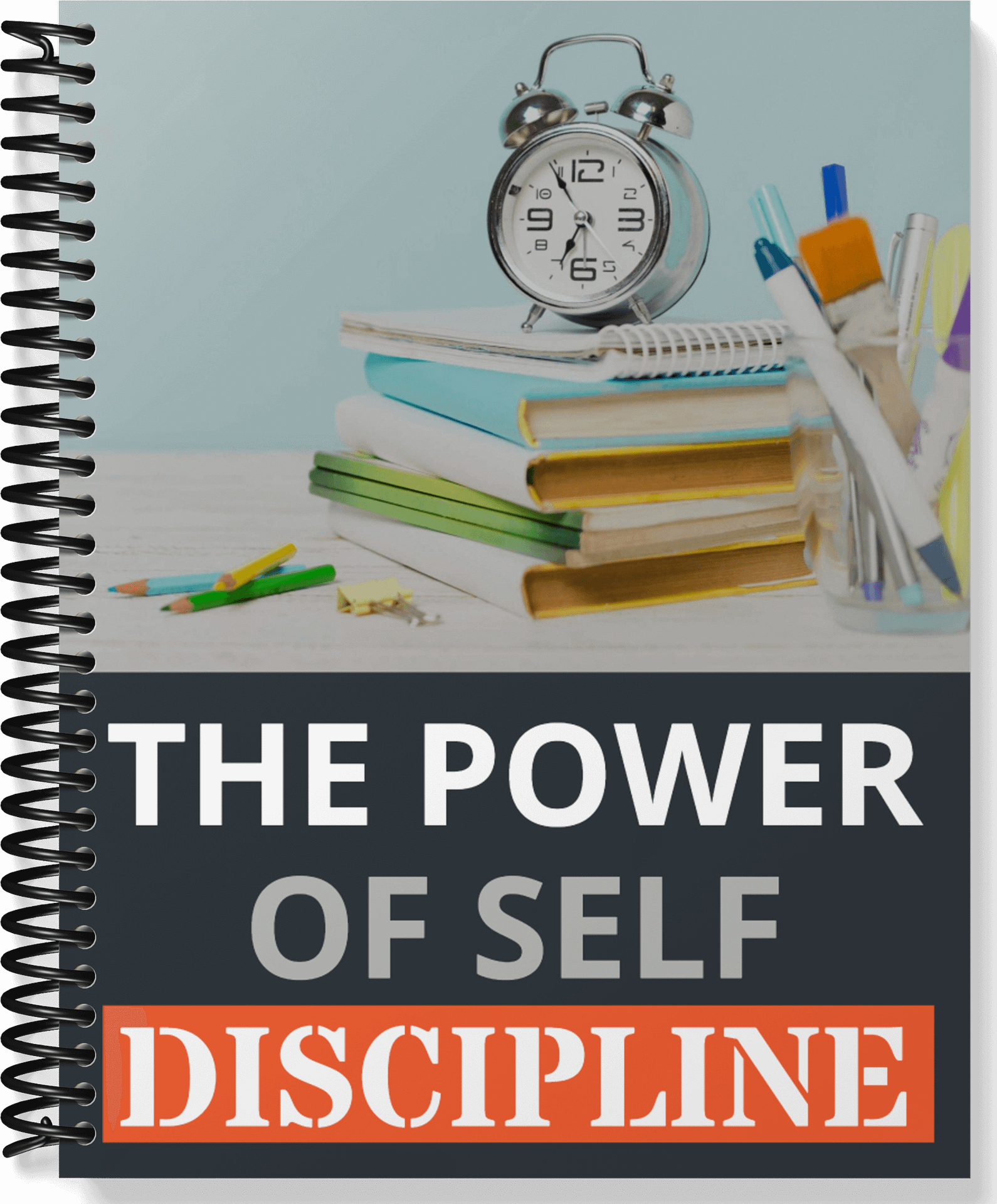
Managing stress requires self discipline and if you want to know more about harnessing the power of self discipline, check out the featured resource below for a free detailed report; download, read it and take action 🙂

self-discipline
Continue Reading
Content Creation: Batching Your Tasks

Content Creation: Batching Your Tasks

Content Creation: Batching Your Tasks

Content creation is hard work, especially when it comes to written content. It doesn’t matter whether you’re writing the content yourself, or someone else is doing it for you. Ultimately, someone has to sit down and put pen to paper… or words to screen.

If you approach content creation in a linear fashion, it will take you much longer because you’ll constantly be switching between tasks.

For example, writing and editing are 2 different processes. If you edit as you write, your creative process will be jarred, and you’ll not achieve a state of ‘flow’ which is what most writers strive for.


By the way, if you are serious and want to take your content marketing and your blogging to the next level, check out the Rapid Blogging Blueprint. This is a premium level training that takes you through each and every step of setting up your own highly profitable blog and profiting from it. You can check it out here.


The best way to stay organized and speed up content creation will be to batch your tasks. Below you’ll find 7 tasks to batch.

Why Is Batching So Effective?

Batching is basically grouping similar tasks and doing them all at one go. It’s almost as if you’re in an assembly line at a factory repeating the same task over and over.

This will not only increase your speed, but you’ll find it easier to focus on the task too. You won’t need to constantly go back and forth between tasks.

While it may seem like you’re not making progress, because nothing seems to be getting completed when you’re in the process – when it’s time to create the content, everything will already be done, and you just need to start writing.

That’s when the speed truly builds up and you’ll make up for lost time and more. Now let’s see how to batch your tasks.

Decide On Your Task For The Day

Content creation generally revolves around 5 tasks:

  • Researching
  • Outlining
  • Writing
  • Editing
  • Publishing

You do NOT want to do them all in one day. So what you’ll do is decide what task you’ll do for the day. Ideally, you’ll want to complete all the work associated for a specific task before moving on to the next one.

For example, you might decide to spend Monday and Tuesday doing research. Wednesday may be for outlining. And from Thursday to Saturday, you’ll write like a maniac.

On Saturday, you’ll edit and proofread what you wrote… and on Sunday, you’ll publish the content.

This is just a general idea. Decide for yourself what you’ll do each day and only focus on that task.

Work In Pre-Determined Time Blocks

The next step will be to decide WHEN you’ll do the work. You don’t want to adopt a haphazard approach to content creation – or you’ll never get the job done.

Decide on a time block when you’ll begin and end the task. For example, you may decide to do your research from 9am to 11am. That’s fine. Just make sure you stick to it.

Many people find it especially difficult to write. Like author, Steven Pressfield said, “It’s not the writing part that’s hard. What’s hard is sitting down to write.”

The best way to overcome this problem will be to sit down at your desk at the specified time, whether you like it or not… and give yourself just 2 minutes to write. Anyone can do that.

You’ll realize that once you start, most of the time you’ll keep going. Use this technique and you’ll trick your mind into being less resistant to the task at hand.

Do Your Research

In step #3, you’ll do ALL the research you’ll need for you to write later on.

This is especially important for non-fiction. Keep your research notes organized so that you can refer to them easily.

Remember to create a customer avatar of your ideal prospect; this way you can write all your content in a way that is incredibly appealing to him or her and you will be much more likely to get them to take a particular action (you are adding a call-to-action in your content, right?).

Outline Your Content

Having an outline will increase your writing speed exponentially. Of course, your outlines will be based on the research you’ve done.

Make a list of the points you’ll cover and so on. Even if you’re typing on a computer, having your outlines written on paper in front you is recommended.

In this way, you can glance at your outline as you type rather than switching between tabs and so on.

Write Like A Maniac

This is where the pedal hits the metal, and the rubber meets the road. Once your outlines are all ready, start writing your content.

There’s a saying – “Write drunk. Edit sober.”

So when you write, just let your thoughts and words flow. Don’t be overly concerned about typos, etc. The goal is to get the content written.

Even if you’re creating content for infographics, social media posts, sales copy, etc. this principle will apply. Write first… and churn out ALL the content that you need to complete!

Take Time To Edit

Once all your content is done, it’s time to edit the content and fix the errors such as spelling/grammar mistakes, sentence construction issues, typos, etc.

Batching this task will mean completing all your editing for the content you’ve created before moving on to the final task.

This may seem an onerous task, but it can have a significant impact on the final piece of content, so can’t be overlooked.

Publish Your Content

This is the most fun part of the lot. You’ll either be publishing the content on your blog or turning it into a digital product to sell. You might have other plans for it, but the principle stays the same.

Publish your content when it’s all completed. A common mistake beginners make is to create 1 piece of content, do all the steps above… publish it… and then run off to repeat the process with the next piece of content.

Can you even imagine how tiring and time consuming that will be?

By now you’ll realize that while batching your tasks seems to be a more delayed approach, it’s actually faster when you look at the big picture.

Adopt the pointers in this article and you’ll be a lean, mean, content creating machine.

If you really want to know more about the power of content marketing and blogging, you can take a look at the Rapid Blogging Blueprint training course or if you just want a few pointers for now you can grab the featured resource below for a  free detailed blogging report; download, read it and take action 🙂

blogging
Continue Reading
5-tips-to-increase-productivity-when-working-from-home-post

5 Tips To Increase Productivity When Working From Home

Productivity14th JanuaryBy Erik Bergman

5 Tips To Increase Productivity When Working From Home

Working from home is a blessing for many. But some find it difficult to get used to their new surroundings. However, both groups of employees should focus on maintaining productivity levels.

After all, it’s much easier to get distracted when working from home, as opposed to the office. And if your productivity levels are taking a hit due to working from home, this guide is for you.

So with all that said, let’s start.

Table Of Contents

Agree On “Working Hours” With Your FamilyHave Your Own SpaceDevelop Habits For ProductivityTake Short BreaksCreate A To-Do ListConclusion

Agree On “Working Hours” With Your Family

Despite the warmth and comfort of our homes, everyone must remember that they are indeed working. But your family members are probably the most impacted by this new change of surroundings. 

Simply put, they’re not used to you being around the house from nine to five.

As a result, they will interrupt you. This is something you absolutely want to avoid at all costs.

You must remember that you have responsibilities and tasks that need doing. So, one way to “remind” your family members not to bother you is to agree on the working hours.

For many, working hours are nine to five. Working from home gives you more flexibility to start and finish later. But that’s not something you want to do.

Instead, sit down with your family and lay out the plan – no distractions during working hours! Distractions will only damage your productivity and make you lose efficiency. Remind them that it’s okay to come for a chat while on your break. But stress the importance of respecting your privacy during work time.

Have Your Own Space

Maintaining productivity is impossible while working at home if you don’t have your own office. This is an issue most remote workers have when first trying the new work model. For some, there’s enough space around the house to create a makeshift office for the time being.

But for others, the limited space creates an even bigger issue. When we don’t have our own working space, distractions become a mainstay. Whether it’s your family members watching the TV or kids running around, how would you get things done when there are no walls between you and your family?

To make this new thing work for you, you must find a way to create your own working space. During the height of the pandemic, companies were forced to change business strategies to survive. On the other hand, employees were forced to look for creative ways to work with limited space and form home offices.

If you find yourself in a similar boat, having your own space is the first obstacle to eliminate.

@import url(“//fonts.googleapis.com/css?family=Roboto:400,400i,900,900i,700,700i,300,300i,500&subset=latin”);@media (min-width:300px){[data-css=”tve-u-05f99a23eb9fdc”]{background-color:rgb(255,255,255) !important;padding:1px !important;}[data-css=”tve-u-25f99a23eb9fe2″]{border-radius:5px;overflow:hidden;border:2px solid rgb(250,235,150) !important;background-color:rgb(249,240,187) !important;}[data-css=”tve-u-95f99a23eb9fe9″]{border:none;float:right;z-index:3;position:relative;font-size:48px !important;margin:0px !important;width:48px !important;height:48px !important;–tcb-local-color-icon:rgb(254,166,42);–tcb-local-color-var:rgb(254,166,42);–tve-icon-size:48px;}:not(#tve) [data-css=”tve-u-95f99a23eb9fe9″] >:first-child{color:rgb(254,166,42);–tve-applied-color:rgb(254,166,42);}[data-css=”tve-u-15f99a23eb9fe0″]{padding:30px 20px !important;margin-top:0px !important;margin-bottom:0px !important;}:not(#tve) .thrv-content-box[data-css=”tve-u-15f99a23eb9fe0″]:hover [data-css=”tve-u-35f99a23eb9fe3″] p,:not(#tve) .thrv-content-box[data-css=”tve-u-15f99a23eb9fe0″]:hover [data-css=”tve-u-35f99a23eb9fe3″] li,:not(#tve) .thrv-content-box[data-css=”tve-u-15f99a23eb9fe0″]:hover [data-css=”tve-u-35f99a23eb9fe3″] blockquote,:not(#tve) .thrv-content-box[data-css=”tve-u-15f99a23eb9fe0″]:hover [data-css=”tve-u-35f99a23eb9fe3″] address,:not(#tve) .thrv-content-box[data-css=”tve-u-15f99a23eb9fe0″]:hover [data-css=”tve-u-35f99a23eb9fe3″] .tcb-plain-text,:not(#tve) .thrv-content-box[data-css=”tve-u-15f99a23eb9fe0″]:hover [data-css=”tve-u-35f99a23eb9fe3″] label,:not(#tve) .thrv-content-box[data-css=”tve-u-15f99a23eb9fe0″]:hover [data-css=”tve-u-35f99a23eb9fe3″] h1,:not(#tve) .thrv-content-box[data-css=”tve-u-15f99a23eb9fe0″]:hover [data-css=”tve-u-35f99a23eb9fe3″] h2,:not(#tve) .thrv-content-box[data-css=”tve-u-15f99a23eb9fe0″]:hover [data-css=”tve-u-35f99a23eb9fe3″] h3,:not(#tve) .thrv-content-box[data-css=”tve-u-15f99a23eb9fe0″]:hover [data-css=”tve-u-35f99a23eb9fe3″] h4,:not(#tve) .thrv-content-box[data-css=”tve-u-15f99a23eb9fe0″]:hover [data-css=”tve-u-35f99a23eb9fe3″] h5,:not(#tve) .thrv-content-box[data-css=”tve-u-15f99a23eb9fe0″]:hover [data-css=”tve-u-35f99a23eb9fe3″] h6{color:rgb(52,73,94) !important;}:not(#tve) [data-css=”tve-u-15f99a23eb9fe0″]:hover [data-css=”tve-u-25f99a23eb9fe2″]{background-image:none !important;background-color:rgb(249,240,187) !important;border:2px solid rgb(254,166,42) !important;–tve-applied-background-color:rgb(249,240,187) !important;}:not(#tve) [data-css=”tve-u-95f99a23eb9fe9″]:hover >:first-child{color:rgb(254,166,42) !important;–tve-applied-color:rgb(254,166,42) !important;}[data-css=”tve-u-135f99a23eb9ff2″]{max-width:671px;float:right;z-index:3;position:relative;width:100%;padding:0px !important;margin-top:-2px !important;}[data-css=”tve-u-125f99a23eb9ff1″]::after{clear:both;}:not(#tve) [data-css=”tve-u-15f99a23eb9fe0″]:hover [data-css=”tve-u-95f99a23eb9fe9″] >:first-child{color:rgb(254,166,42);}:not(#tve) [data-css=”tve-u-145f99a23eb9ff3″]{font-size:24px !important;}[data-css=”tve-u-145f99a23eb9ff3″]{line-height:1.1em !important;}:not(#tve) .thrv-content-box [data-css=”tve-u-35f99a23eb9fe3″] p,:not(#tve) .thrv-content-box [data-css=”tve-u-35f99a23eb9fe3″] li,:not(#tve) .thrv-content-box [data-css=”tve-u-35f99a23eb9fe3″] blockquote,:not(#tve) .thrv-content-box [data-css=”tve-u-35f99a23eb9fe3″] address,:not(#tve) .thrv-content-box [data-css=”tve-u-35f99a23eb9fe3″] .tcb-plain-text,:not(#tve) .thrv-content-box [data-css=”tve-u-35f99a23eb9fe3″] label,:not(#tve) .thrv-content-box [data-css=”tve-u-35f99a23eb9fe3″] h1,:not(#tve) .thrv-content-box [data-css=”tve-u-35f99a23eb9fe3″] h2,:not(#tve) .thrv-content-box [data-css=”tve-u-35f99a23eb9fe3″] h3,:not(#tve) .thrv-content-box [data-css=”tve-u-35f99a23eb9fe3″] h4,:not(#tve) .thrv-content-box [data-css=”tve-u-35f99a23eb9fe3″] h5,:not(#tve) .thrv-content-box [data-css=”tve-u-35f99a23eb9fe3″] h6{color:rgb(27,119,179);}[data-css=”tve-u-15f99a23eb9fe0″]:hover [data-css=”tve-u-25f99a23eb9fe2″]{border:1px solid rgb(254,166,42) !important;}[data-css=”tve-u-15f99a23eb9fe0″]:hover [data-css=”tve-u-35f99a23eb9fe3″] p,[data-css=”tve-u-15f99a23eb9fe0″]:hover [data-css=”tve-u-35f99a23eb9fe3″] li,[data-css=”tve-u-15f99a23eb9fe0″]:hover [data-css=”tve-u-35f99a23eb9fe3″] blockquote,[data-css=”tve-u-15f99a23eb9fe0″]:hover [data-css=”tve-u-35f99a23eb9fe3″] address,[data-css=”tve-u-15f99a23eb9fe0″]:hover [data-css=”tve-u-35f99a23eb9fe3″] .tcb-plain-text,[data-css=”tve-u-15f99a23eb9fe0″]:hover [data-css=”tve-u-35f99a23eb9fe3″] label,[data-css=”tve-u-15f99a23eb9fe0″]:hover [data-css=”tve-u-35f99a23eb9fe3″] h1,[data-css=”tve-u-15f99a23eb9fe0″]:hover [data-css=”tve-u-35f99a23eb9fe3″] h2,[data-css=”tve-u-15f99a23eb9fe0″]:hover [data-css=”tve-u-35f99a23eb9fe3″] h3,[data-css=”tve-u-15f99a23eb9fe0″]:hover [data-css=”tve-u-35f99a23eb9fe3″] h4,[data-css=”tve-u-15f99a23eb9fe0″]:hover [data-css=”tve-u-35f99a23eb9fe3″] h5,[data-css=”tve-u-15f99a23eb9fe0″]:hover [data-css=”tve-u-35f99a23eb9fe3″] h6{text-decoration:underline !important;}:not(#tve) [data-css=”tve-u-175f99a23eb9ff6″]{font-size:18px !important;font-family:Roboto !important;font-weight:400 !important;color:rgb(52,73,94) !important;}[data-css=”tve-u-175f99a23eb9ff6″] strong{font-weight:700 !important;}:not(#tve) [data-css=”tve-u-165f99a23eb9ff5″]{font-size:19px !important;font-family:Roboto !important;font-weight:400 !important;}[data-css=”tve-u-165f99a23eb9ff5″] strong{font-weight:900 !important;}[data-css=”tve-u-65f99a23eb9fe6″]{max-width:12.4%;}[data-css=”tve-u-105f99a23eb9feb”]{max-width:87.6%;}[data-css=”tve-u-55f99a23eb9fe5″]{padding-top:0px !important;padding-bottom:0px !important;}[data-css=”tve-u-45f99a23eb9fe4″]{margin-bottom:0px !important;margin-top:0px !important;margin-left:-18px !important;}[data-css=”tve-u-85f99a23eb9fe8″]::after{clear:both;}[data-css=”tve-u-75f99a23eb9fe7″]{margin-left:0px !important;}:not(#tve) [data-css=”tve-u-95f99a23eb9fe9″]:hover{–tcb-local-color-icon:rgb(254,166,42) !important;–tcb-local-color-var:rgb(254,166,42) !important;}}@media (max-width:767px){[data-css=”tve-u-95f99a23eb9fe9″]{float:left;z-index:3;position:relative;padding-top:0px !important;margin-top:44px !important;}[data-css=”tve-u-85f99a23eb9fe8″]::after{clear:both;}[data-css=”tve-u-55f99a23eb9fe5″]{flex-wrap:nowrap !important;}[data-css=”tve-u-135f99a23eb9ff2″]{max-width:700px;float:none;position:relative;width:100%;z-index:4 !important;margin-top:-4px !important;margin-right:auto !important;padding-right:0px !important;padding-left:0px !important;margin-left:auto !important;}[data-css=”tve-u-125f99a23eb9ff1″]::after{clear:both;}[data-css=”tve-u-115f99a23eb9fef”]{–tve-font-size:1px;padding-left:7px !important;margin-left:4px !important;padding-right:0px !important;margin-right:-21px !important;}:not(#tve) [data-css=”tve-u-145f99a23eb9ff3″]{font-size:16px !important;padding-bottom:0px !important;margin-bottom:0px !important;line-height:1.65em !important;}[data-css=”tve-u-15f99a23eb9fe0″]{max-width:642px;padding-top:15px !important;padding-bottom:8px !important;}[data-css=”tve-u-35f99a23eb9fe3″]{min-height:1px;–tve-font-size:1px;–tve-line-height:8em;}:not(#tve) .thrv-content-box [data-css=”tve-u-35f99a23eb9fe3″] p,:not(#tve) .thrv-content-box [data-css=”tve-u-35f99a23eb9fe3″] li,:not(#tve) .thrv-content-box [data-css=”tve-u-35f99a23eb9fe3″] blockquote,:not(#tve) .thrv-content-box [data-css=”tve-u-35f99a23eb9fe3″] address,:not(#tve) .thrv-content-box [data-css=”tve-u-35f99a23eb9fe3″] .tcb-plain-text,:not(#tve) .thrv-content-box [data-css=”tve-u-35f99a23eb9fe3″] label{font-size:var(–tve-font-size,1px);line-height:var(–tve-line-height,8em);}:not(#tve) [data-css=”tve-u-175f99a23eb9ff6″]{font-weight:var(–g-regular-weight,normal)!important;–eff-color:rgb(52,73,94)!important;–eff-faded:rgba(52,73,94,0.6)!important;–eff-ensure-contrast:rgba(52,73,94,0.6)!important;–eff-ensure-contrast-complement:rgba(73,52,94,0.6)!important;box-shadow:none !important;border-bottom:none !important;background:none !important;text-decoration:none !important;animation:0s ease 0s 1 normal none running none !important;transition:none 0s ease 0s !important;padding-left:0px !important;–eff:none!important;–tve-applied-box-shadow:none!important;font-size:20px !important;font-family:Roboto !important;}:not(#tve) [data-css=”tve-u-175f99a23eb9ff6″]:hover{text-decoration:none !important;background:none !important;box-shadow:none !important;–tve-applied-box-shadow:none!important;}:not(#tve) [data-css=”tve-u-115f99a23eb9fef”] p,:not(#tve) [data-css=”tve-u-115f99a23eb9fef”] li,:not(#tve) [data-css=”tve-u-115f99a23eb9fef”] blockquote,:not(#tve) [data-css=”tve-u-115f99a23eb9fef”] address,:not(#tve) [data-css=”tve-u-115f99a23eb9fef”] .tcb-plain-text,:not(#tve) [data-css=”tve-u-115f99a23eb9fef”] label{font-size:var(–tve-font-size,1px);}:not(#tve) [data-css=”tve-u-165f99a23eb9ff5″]{font-size:20px !important;font-family:Roboto !important;}[data-css=”tve-u-35f99a23eb9fe3″] h1{padding:0px !important;margin:0px !important;}}

Develop Habits For Productivity

There’s no better tip to increase productivity levels when working from home than to get up early and finish your assignments before the clock runs out.

Ideally, you want to increase productivity levels by creating habits for better focus. Certain habits can help us go into a “work” mode, where we do the same stuff day after day and achieve great results. You want to model these habits towards productivity, as the sooner you finish your tasks, the sooner you get to “go home.”

We can apply the same logic when working from home. Even if you’re on a nine-to-five gist, there’s no one to bother you if you finish your assignments earlier. You can leave your laptop on and do other stuff.

But we won’t achieve the desired productivity levels if we don’t develop these habits for better focus. So what are some of these habits?

The obvious one is to eliminate distractions. Distractions negatively affect our productivity levels by preoccupying our minds with unnecessary stuff. Common distractions include checking social media, calling a friend, and listening to a podcast, all while working.

Another habit for better focus is to train your brain to fixate on the current assignment. To do that, you must go with the idea that a reward will await you once you finish it. Even if you hate doing the particular assignment, train your brain to get it done ASAP.

Lastly, learn to take short breaks. This last one is so influential and helpful that we will discuss it in the next part.

Take Short Breaks

“Taking short breaks between assignments will help increase productivity levels,” this study says. This is yet another “brain-training” habit where we convince ourselves we have time to take breaks when working on complex issues.

Short breaks, or microbreaks, are beneficial for your work and productivity levels. For many, this habit can be instrumental in achieving results when working from home. But that begs the question, how often should you take breaks from work?

There is no correct answer to it. The habit will work as long as you manage to finish your assignments. But that’s not to say there aren’t proven models. Some recommend taking five to ten-minute breaks for every hour of work.

You might be familiar with the twenty to thirty-minute breaks every three hours, but this model is proven quite ineffective compared to the previous one.

So once you clock an hour of work, go for a ten-minute break. You will immediately notice the difference.

Create A To-Do List

A to-do list is yet another helpful tool for increasing productivity. To-do lists are excellent because they lay out all the work you need to do for the day. Let’s say you have six tasks for the day.

You gain an overview of exactly what needs doing by creating a to-do list. Once you finish an assignment, you feel a sense of achievement and can move on to the next one. Remember to take a short break between assignments to adjust productivity and efficiency levels.

Daily to-do lists are even better when working from home. Once you wake up and hop on your work desk, make it a habit to create a list. Doing this helps you get off to a good start and make it easier to accomplish daily assignments.

“If you spend too much time thinking about a thing, you’ll never get it done.” 

– Bruce Lee

Conclusion

Working from home doesn’t have to feel like a chore. Many employees struggle to maintain or increase productivity levels despite the greater convenience of remote work.

Luckily, these five tips will help you increase productivity levels.

Want to learn more about increasing efficiency and productivity? Then check out the featured resource below to grab a free report; download, read it and take action 😊

choose your image

About The Author

Erik Bergman

Erik Bergman co-founded Catena Media and helped grow it to over 300 employees and a $200 million valuation before stepping away to start Great.com, an iGaming organization that donates 100% of its profits to environmental charities. In addition to running a successful online business, Erik also hosts the Becoming Great podcast, shares entrepreneurship tips with his more than 1 million social media followers, and contributes to sites like Entrepreneuer.com, Business Insider, Foundr, and Forbes.

Continue Reading
7 Common Misconceptions About Finding Your Purpose

7 Common Misconceptions About Finding Your Purpose

7 Common Misconceptions About Finding Your Purpose

Finding one’s purpose in life can sound like a deep and complicated task. To make matters more convoluted, you’ll probably have beliefs that were foisted upon you since childhood, either by your parents or other adults.

Following your passion by finding your ‘why’ or purpose is something pretty much every human being aspire to, because it promises a life of fulfilment because you re truly doing what you want to do.


By the way, if you are serious and want to learn more about finding your why, check out Follow Your Passion By Finding Your Why. This is a premium level training that takes you through each and every step of finding your purpose and benefiting from it. You can check it out here.


The truth of the matter is that finding one’s purpose is a simple process of thoughtful introspection. Once you dispel the misconceptions and lies that surround this topic, you’ll find things much simpler.

Let’s look at the common misconceptions…

You Have To Create It

You don’t have to create your purpose. It already exists. You just need to find it… and you’ll only find it by asking yourself introspective questions about what makes you truly happy and fulfilled.

We live in a world where self-help gurus will tell you to ‘hustle and grind’ so that you make millions and live up to your full potential.

But what if that’s not what you want? What if you only want an income that’s comfortable but you want more free time to volunteer and make a difference to your community.

Then that might be your purpose. Your purpose is determined by your feelings and desires. Not goals or external influences.

Everyone Only Has One Purpose

Different people are born with different talents and desires. Some people may be good writers and sing well too. They may excel at both talents and they’ll need to choose one that they feel they were ‘born to do’.

You’re not only given ‘one purpose’. Your purpose in life may change as your belief systems change. What you thought was important once, may seem trivial now.

For example, you may have loved surfing before and felt that it was your purpose to ride the waves and become a surfing instructor. However, a trip to an African village may have made you feel blessed and suddenly now, you think that surfing is no longer that important.

You’d rather volunteer and help the less fortunate in the village. You get more satisfaction and a sense of achievement that you never had before. This could be the missing piece in your life.

Your purpose is closely linked to what you feel is important to you and what motivates you to get up daily and get going with enthusiasm.

Some ‘Callings’ Are Better Than Others

Measuring your purpose against other peoples’ achievements is a pointless and depressing endeavor. You may be a painter who creates magnificent works of art. But if you compare yourself with a doctor who saves lives, you may feel like painting is trivial in comparison.

However, what you fail to realize is that your art brings joy and wonder to many people – from the person who buys your art to everyone else who gazes upon it.

No one purpose is better or more rewarding than the other. All that matters is that you do what’s right for you.

It MUST Be Your Job

Your purpose doesn’t have to be your job. A lady may be a waitress at a café, but feel like her purpose in life is to raise well-balanced children who grow up to be successful adults.

On the other hand, another lady may be more career-oriented and feel that her purpose in life is to grow her company so that it positively affects thousands of lives while making millions of dollars in return.

Your purpose is not tied to dollars and cents. It’s not your job, your career or your achievements. It’s more subtle than that.

It Requires Immense Sacrifice And Pain

If you need to struggle and force yourself to sacrifice for it, it probably isn’t your purpose. Very often, when you discover your purpose, there will be a sense of excitement and ease to it.

The work may be hard, but you’ll willingly do it because it’s what you want to do. There may be sacrifices involved to achieve your aim and meet your purpose BUT you’ll handle the hurdles with grace.

Discovering and following your purpose in life is a pleasant process and while it may be challenging, it shouldn’t be depressing or cause you to despair.

You Need To Be Religious

Purpose doesn’t have anything to do with your religion. While millions of people claim to have discovered their purpose in life after ‘finding God’, this is not a necessity.

Finding your purpose is a personal journey towards self-discovery. You can go the spiritual route, or you can self-reflect and do some journaling until you realize what it is you truly want to do. Therein lies your purpose.

It’s A Non-Profit Endeavor

You don’t need to be a solitary monk eking out a meagre existence on the mountain top just to be on purpose. You can be a millionaire too and still feel like you’re following your calling.

For example, a successful plastic surgeon who makes millions may truly love what he does. He enjoys enhancing his clients’ appearances and seeing the happiness and increased confidence in the patients once they see the results.

By helping others, the surgeon feels like he’s living with purpose. Since plastic surgery requires a high level of skill, he charges accordingly and his wealth is a by-product of his efforts.

You can follow your purpose and make a lot of money at the same time. There’s no rule that says you need to be broke to be on purpose.

And this training proves that!

These 7 misconceptions are just the tip of the iceberg. There are many others out there.

What’s most important is that you realize that discovering your purpose is a journey that’s done inside you – and has nothing to do with the distractions/expectations of the world outside you.

Once you understand this, you’ll find your purpose and shine.

“The meaning of life is to find your gift. The purpose of life is to give it away.”

– Pablo Picasso

As you probably already know, having a strong mindset is critical to any attempt to finding your purpose and passion and staying focused on them, so click on the featured resource below to get a free report on how to develop a strong mindset. Download, it read and take action 😊

Continue Reading
10 Things To Avoid When List Building

10 Things To Avoid When List Building

10 Things To Avoid When List Building

As useful and as popular as list building is, there is a chance of having some problems when not used properly.

Incorrectly using it may have consequences that can be dangerous for your business or simply make your customers feel uncomfortable.

In this article, let’s look at 10 things you should not do:

Don’t Think About List Building As A Once Only Task

List building is an ongoing effort. The process might be getting from A to B, but it hardly ever ends, because your mailing list needs to keep growing over time. You can’t just create a mailing list with your first contacts and then just set them up for your newsletter.

What you really look for when you build a mailing list is to keep the influx of new subscribers coming, engaging them, and making them bring new people. You have to reinvent what you do with your mailing list from time to time and care for it. After all, this is your business!

Don’t Think About Your Mailing List As A Short-Term Recruiting Tool

You just can’t set up an offer to give something free for signing up to your mailing list as a method to lure in prospects, because you’ll end up with a mailing list full of people deleting your messages after having got what they wanted from it.

Make It Personal

One of the key words that successful marketers, salesman and saleswomen alike use for closing a deal is the word YOU. Subscribers already gave exclusivity by granting you access to their inboxes. What they want is for you to talk to THEM individually.

What you have to do is sell in a personal manner, even if you’re forwarding a promotional sales message to your 20,000 subscribers. Don’t just talk about the product and the market. Talk about how YOU can benefit from getting what YOU are being offered.

Don’t Focus Entirely On Marketing Somebody Else’s Product

Let’s face it, if you don’t own a product, you’ll be perceived as less trustworthy, as far as marketing efforts go. If you just focus on selling products and nothing else, especially if those products are from a third party, you’ll be end up being seen as another internet marketing robot.

That’s why you need to offer something that comes from you, something that you worked on that you don’t have to ferociously advertise and maybe even lie about in order to make a quick profit.

Don’t get me wrong; affiliate marketing is a great online business model, but you will be much better off in the long run by creating your own product and then having affiliates promoting your offer to their lists!

Don’t Buy Lists Of Email Addresses

This is a big no-no. Never, ever buy email databases. An email address coming from a mailing list for hire is surely receiving lots and lots of unwelcomed emails on a daily basis. If you send them an email without them knowing who you are, your message will get dumped as spam along with the others.

If they’re receiving unknown email for the first time, they will see you as an invasive, untrustworthy source of spam. They will block you and trash you in front of other prospects, so this practice will not pay off, even in the short term.

Don’t Take Email Addresses From External Websites

Don’t just go to a website or social media site and take email addresses and start mailing them without permission (and, yes, people will do this). Remember that a mailing list is built upon the interest and trust of prospects, and by sending them unsolicited correspondence is just out of touch with that fact.

Just like with email addresses taken from a mailing list that you bought, you’ll end up blocked and with a bad reputation, plus with ever tightening laws on data privacy, it is illegal. Try not only to be careful, but to completely avoid these kinds of practices.

Don’t Flood Your Subscribers With Email

This is kind of an obvious and valid point, but companies and individuals alike tend to forget that people don’t like to be inundated with email.

It is good to engage your subscribers with news, offers and contests, but there’s a fine balance of how many times a day you should message your subscribers.

Of course, this will depend on the kind of activities and products that you promote, and we recommend keeping newsletters limited to a daily basis, mailing offers and promotions two times during the day and mailing contests at random intervals.

Remember that not messaging enough can turn out to be as bad as messaging too much. You can end up losing subscribers and worst of all, customers, to the competition.

It’s all about balance and emailing daily or every other day should be fine. You may want to send a couple more if you are promoting a launch but do this sparingly.

Don’t Send Out Information Without Value

This is also something that some marketers and especially business owners without enough marketing guidance end up being guilty of, emailing the wrong kind of information.

This pitfall can be as simple as promoting poorly selling items, thinking it would sell, or by promoting the wrong kind of content to the wrong audience. Therefore, it is important to know who you are targeting certain email content to.

Internet marketers are notorious for this. They rarely provide educational content to help their readers but are constantly promoting products to their list.

This churn and burn model is an awful way to conduct business, because you are constantly needing to find new subscribers to replace those that are leaving because you are not providing value!

Instead, try offering value and building a tribe; it’s much easier to keep someone on your list once they’re on it!

Don’t Make Your Mailing List A One-Way Channel

One of the most prevalent, yet most harmful practices in email marketing today is making email a one way communications channel. What this means is that companies use it to message customers and prospects, but not offering them a way to communicate back.

This is bad for business, because if customers feel that they don’t have an effective way to directly communicate with a company, they might start looking elsewhere. Remember, that email is not only about advertising, but also about communicating with your clients.

Encourage readers to communicate with you. This has a twofold bonus; you are building an engaged list, and the likes of Gmail will reward you for this by ensuring your emails reach your subscribers Inboxes.

Another mistake is the reliance on auto responders. Auto responders send out an automated response to an inquiry or complaint from a customer, and then another one until the inquiry is resolved. As a business, you have to think twice about how this makes somebody think about your business ethics.

Don’t get me wrong; autoresponders are an amazing email marketing tool, but they need to be used correctly.

Don’t Trick Prospects

This is obvious, of course, but it is too often used as a cheap way for attracting prospects. You use a call to action to join your mailing list to enter a contest to get a big, sometimes unrealistic, prize.

While it is true that this sometimes works, it isn’t long term. If prospects don’t receive your promised prize, they forget about you as easily as they enlisted to your mailing list.

Also, most careful and educated prospects won’t just fall into this, so please don’t resort to underhand tactics as they aren’t sustainable long term, and you will get a bad reputation as one to be avoided.

If you want to know more about nurturing you list, check out the featured resource below for a free Simple List Building report; download, read it and take action 😊

Continue Reading
Optimized by Optimole