Get Your Free Blogging Fundamentals Report...
Just enter your details in the form below and we'll send you the free bonus resource that goes with this article.
Just enter your name and email below to get instant access!

 Content Marketing9th OctoberBy Jason Daly
If you’re looking for ways to make your blog more engaging and informative, content curation is a great option.
But what is content curation, and how can you use it on your blog?
Here’s a quick guide to help you get started.
Headline 1Headline 2Headline 3

Content curation is the process of sorting through and sharing online content that is relevant to your audience.
When done well, content curation can help you become a trusted source of information and make your blog more engaging.
Content curation can be used to build a resource of information on a particular topic, to create a news feed of relevant content, or simply to surface the best content on a given subject.

There are several reasons to curate content. One reason is to provide your audience with a one-stop shop for information on a particular topic. This saves your audience time by not having to search for information from multiple sources.
Another reason to curate content is to establish yourself as an expert on a particular topic. By curating the best content from around the web, you are showing your audience that you are knowledgeable about the subject matter.
You can also add your own commentary and analysis to the content you share; after all people are visiting your blog or website to hear from you and your views.
Content curation helps you to save time by sharing content that’s already been created, rather than creating everything yourself.
Lastly, curating content can help to build relationships with other bloggers and website owners. When you share their content, they are likely to return the favor.
This can help to grow your audience and expand your reach. Always give attribution to anything you share or comment on, and if you can, let the original source know that you have cited them.

TIP:
Try finding a product or service you like and see whether they offer an affiliate program. If not, why not reach out to them and ask whether they would be willing for you to promote their products and for you to get a commission?

If you are serious and want to take your blogging to the next level, check out the Rapid Blogging Blueprint. This is a premium level training that takes you through each and every step of setting up your own highly profitable blog and profiting from it.
Get Instant AccessLearn More Now
The Rapid Blogging Blueprint training combines manuals, checklists and over the shoulder video training to get your blog up and running, and into profit…quickly.

Once you’ve curated content, you can share it on social media, your blog, or in an email campaign.
When you share your curated content on social media, be sure to include a link back to the original source. This will give credit to the original author and help you build relationships with other thought leaders in your industry.
If you have a blog, you can share your curated content there. Be sure to include a link back to the original source and give credit to the original author.
If you have an email list, you can share your curated content in your newsletter or in a dedicated email campaign. Be sure to include a link back to the original source and give credit to the original author.
SEO is a great way to get your content in front of more people.
By optimizing your content for the search engines, you can increase your chances of people finding it when they search for relevant keywords.
“Achievers – whether in business, sports, or the arts — are committed to continual improvement.”
– Jack Canfield

Content curation is a great way to find and share high-quality content with your audience. If you curate content regularly, you can build a strong reputation as a source of great content.
And, if you promote your curated content properly, you can get more exposure for the content creators you’re featuring.
What are your thoughts on content curation? Do you curate content on your blog or website? If not, why not?
If you really want to know more about the power of content marketing and blogging, you can take a look at the Rapid Blogging Blueprint training course or if you just want a few pointers for now you can grab the featured resource below for a free blogging report; download, read it and take action


 Affiliate Marketing1st JanuaryBy Jason Daly

In today’s world, video marketing is more important than ever for affiliate marketers. With the rise of social media and the ever-changing landscape of the internet, video marketing provides affiliate marketers with a unique opportunity to reach out to their target audience.
By creating engaging and informative videos, affiliate marketers can build trust and credibility with their audience, which can lead to more sales and conversions. Additionally, video marketing can help affiliate marketers to stand out from the competition and attract more attention to their products and services.
If you’re not already using video marketing to promote your affiliate business, now is the time to start. With the right strategy, video marketing can be a powerful tool to help you reach your goals.
The Benefits Of Video Marketing For Affiliate MarketersThe Best Ways To Use Video Marketing To Promote Affiliate ProductsTips For Creating Effective Video Content For Affiliate MarketingThe Best Times To Post Video Content For Maximum ImpactHow To Measure The Success Of Your Video Marketing CampaignConclusion

As an affiliate marketer, you are always looking for new and innovative ways to promote your products and services. Video marketing is one of the most effective and powerful tools available to you. Here are some of the top benefits of using video marketing to promote your affiliate products and services:
1. Increased Engagement
When you use video to promote your affiliate products and services, you are able to increase engagement with your target audience. Videos are more engaging than other forms of content, such as blog posts or articles. This means that your target audience is more likely to watch your videos, which leads to more sales and conversions.
2. Reach a Wide Audience
Another great benefit of video marketing is that you can reach a wide audience with your videos. You can upload your videos to YouTube, which is the second largest search engine in the world. This gives you the opportunity to reach a large number of people who are interested in your products and services.
3. Boost Your Search Engine Rankings
When you use video marketing to promote your affiliate products and services, you can also boost your search engine rankings. This is because Google and other search engines love videos. When you include videos on your website or blog, you are more likely to rank higher in the search results. This means that more people will find your website, which leads to more sales and conversions.
4. Enhance Your Brand
When you use video marketing to promote your affiliate products and services, you can enhance your brand. Videos allow you to show your personality and build trust with your target audience. This leads to more people wanting to do business with you, which leads to more sales and conversions.
5. Generate More Leads
Another great benefit of video marketing is that you can generate more leads with your videos. You can include a call to action at the end of your videos, which encourages your viewers to take action. This could be signing up for your email list, visiting your website, or making a purchase.
6. Increase Your Sales
Finally, video marketing can help you increase your sales. When you use video to promote your affiliate products and services, you are more likely to make more sales. This is because people are more likely to buy from someone they trust and who has a personal connection with them.
As you can see, there are many benefits of using video marketing to promote your affiliate products and services. If you are not using video marketing, you are missing out on a great opportunity to boost your business.

As an affiliate marketer, you know the importance of promoting your products through every possible channel. You also know that the competition is fierce, and that you need to stand out in order to succeed.
Video is one of the most powerful tools at your disposal, and when used correctly, it can help you boost your sales and conversions significantly.
In this next section, we’ll share with you some of the best ways to use video marketing to promote affiliate products.
1. Use Product Videos
One of the best ways to use video to promote your affiliate products is to create product videos.
Product videos are short, informative videos that highlight the features and benefits of your products. They’re an excellent way to showcase your products in a way that is both engaging and informative.
When creating product videos, be sure to focus on the key selling points of your products. What makes them unique? What are their most important features?
Answer these questions in your videos, and you’ll be sure to engage your viewers and convince them to buy your products.
2. Use Educational Videos
Another great way to use video to promote your affiliate products is to create educational videos.
Educational videos are designed to help your viewers understand your products better. They can be used to teach your audience about the features of your products, how to use them, and even why they need them.
When creating educational videos, be sure to make them interesting and informative. Use a natural, conversational tone, and avoid sounding like a sales pitch.
If your videos are helpful and informative, your viewers will be more likely to trust you and buy your products.
3. Use Review Videos
Review videos are another great way to promote your affiliate products.
Review videos are short videos in which you review a product and give your honest opinion. These videos can be incredibly effective in convincing your viewers to buy a product.
When creating review videos, be sure to be honest and objective. Don’t try to sell your viewers on a product, simply give your honest opinion and let them decide for themselves.
If you’re transparent and objective in your review videos, your viewers will appreciate it and be more likely to buy the products you recommend.
4. Use Testimonial Videos
Testimonial videos are another excellent way to promote your affiliate products.
Testimonial videos are short videos in which satisfied customers talk about their experience with your products. These videos can be incredibly effective in convincing your viewers to buy your products.
When creating testimonial videos, be sure to choose satisfied customers who are willing to speak positively about your products. Also, be sure to get their permission before using their testimonials in your videos.
If you use testimonial videos effectively, you’ll be able to showcase your products in a positive light and boost your sales significantly.
5. Use Live Videos
Live videos are another great way to promote your affiliate products.
Live videos are unedited, unscripted videos that are streamed live. These videos can be used to give your viewers a behind-the-scenes look at your business, or to answer their questions in real-time.
When using live videos to promote your affiliate products, be sure to keep them short and to the point. Also, be sure to interact with your viewers and answer their questions as best you can.
If you use live videos effectively, you’ll be able to connect with your viewers in a more personal way and boost your sales significantly.
These are just a few of the best ways to use video marketing to promote your affiliate products. If you use these techniques, you’ll be sure to engage your viewers and boost your sales significantly.

Here are 7 things to bear in mind when creating your affiliate marketing videos.
1. Plan your video content in advance
Many people struggle with how to plan their video content in advance, in order to make the most of their investment.
The first step is to understand your goals. What do you want to achieve with your video content? Once you know this, you can start to plan out the type of content that will help you achieve those goals.
Not all video content is created equal. There are different types of videos that can be used for different purposes. For example, a product demonstration video will be very different from a brand awareness video.
Once you know what type of video you want to create, you can start to plan the details. What is the story you want to tell? What is the message you want to communicate? What are the visuals you want to use?
All of these details need to be planned in advance in order to create a video that is effective and engaging. Planning your video content in advance will help you save time and money in the long run and ensure that your videos are successful.
2. Keep your videos short and to the point
Are you looking to create videos that are both informative and entertaining? If so, then you need to make sure that your videos are short and to the point. The last thing you want is for your viewers to get bored and click away before they even finish watching your video.
So, how do you make sure that your videos are both short and to the point? Here are a few tips:
 Start with a strong hook. You need to catch your viewer’s attention from the very beginning. If you can hook them in, they’ll be more likely to stick around until the end. Start with something interesting or surprising that will make them want to know more.Keep it concise. Get to the point quickly and don’t waste time with filler content. Your viewers will appreciate your videos more if they’re short and to the point.Make it visually appealing. Use engaging visuals to hold your viewer’s attention. Whether it’s through graphics, animation, or simply using creative filming techniques, make sure your videos look great.Use effective editing. Edit your videos so that they flow well and don’t include any unnecessary scenes. This will help keep your videos short and to the point.Add value. Your videos should offer something of value to your viewers. Whether it’s information, entertainment, or both, make sure your videos are worth watching.
By following these tips, you can create videos that are both short and to the point. Keep your viewers engaged and entertained, and you’ll be sure to create videos that are successful.
3. Use engaging visuals and graphics
It’s no secret that people are visual creatures. We are hardwired to pay attention to things that are visually stimulating, which is why using engaging visuals and graphics is such an important part of creating video content that people will actually want to read.
When it comes to using visuals in your content, there are a few things to keep in mind.
First, make sure that the visuals you use are actually relevant to the topic at hand. There’s nothing worse than seeing a random graphic that has nothing to do with the rest of the video.
Second, don’t be afraid to get creative with your visuals. People are used to seeing traditional images like photos and illustrations, but you can also use things like infographics and charts to add some visual interest.
Finally, remember that less is often more when it comes to visuals. You don’t want to overwhelm your readers with too many images, so pick a few key visuals that really help to illustrate your points and use them sparingly throughout your video.
If you keep these things in mind, you can use visuals to take your video content from good to great!
4. Use keyword-rich titles and descriptions
It’s no secret that keywords are important for SEO. But did you know that they’re also important for your videos? That’s right—using keyword-rich titles and descriptions for your videos can help you rank higher in search results and get more views and clicks.
Why are keywords important for videos?
Just like with written content, keywords help users find your videos in search engines. When you use relevant keywords in your titles and descriptions, you’re more likely to show up in search results for those terms. And the more views and clicks you get, the higher you’ll rank in search results.
How can you use keywords in your videos?
There are a few different ways to use keywords in your videos. First, you can use them in your titles. Make sure your titles are descriptive and include the main keyword or phrase you want to rank for. For example, if you’re a wedding photographer, you might title your video, “How to Choose the Perfect Wedding Photographer.”
You can also use keywords in your video descriptions. Write a short, keyword-rich description for each of your videos. Include a call to action, like “Click here to learn more about wedding photography.”
Finally, you can use keywords when you upload your videos to YouTube. In the “Tags” section, include a few relevant keywords for your video. This will help YouTube match your video with the right searches.
Keywords are a powerful tool for getting more views and clicks on your videos. Use them in your titles, descriptions, and tags to help users find your content and rank higher in search results.
5. Promote your videos on social media
When you have created your video, you want people to watch it. But how do you get people to actually see your videos?
One way is to promote your videos on social media.
This can be a great way to get more views, because you can tap into the huge audiences that are already using social media.
Plus, when you promote your videos on social media, you can choose to target specific audiences. For example, you can target people who are interested in the same topics as your videos.
Here are some tips for promoting your videos on social media:
 Use attractive thumbnails. When you upload your videos to social media, make sure to use an attractive thumbnail. This is the image that people will see when they scroll through their feed, so make sure it’s something that will grab their attention.Use engaging titles. Your title is what will make people actually click on your video. So make sure it’s something that’s interesting and engaging.Use hashtags. Hashtags are a great way to get your videos seen by more people. When you use relevant hashtags, your videos will show up in the search results when people search for those keywords.Share your videos on multiple platforms. Don’t just stick to one social media platform. Share your videos on as many platforms as possible. This will help you reach a wider audience.Promote your videos regularly. Don’t just promote your videos once and then forget about them. Make sure to promote your videos regularly, especially when you first upload them.
Promoting your videos on social media is a great way to get more views. Just make sure to use attractive thumbnails, engaging titles, and relevant hashtags. And don’t forget to share your videos on multiple platforms and promote them regularly.
6. Analyze your video performance regularly
If you’re serious about your video marketing efforts, you need to be analyzing your video performance on a regular basis. Only by doing so can you hope to improve your results over time.
There are a number of different metrics you can track, but some of the most important ones include:
Views: How many people have watched your video?Engagement: How long are people watching your video for, on average?Shares: How often is your video being shared?Comments: What are people saying about your video?Click-through rate: If your video is embedded on a website or blog, how often are people clicking through to watch it?
These are just a few of the most important metrics to track. You may also want to track other things, depending on your specific goals.
Tracking your video performance is only half the battle. Once you have the data, you need to actually do something with it. Use it to improve your future videos.
If you’re not getting the results you want, don’t be afraid to experiment. Try different things and see what works best for your audience.
Video marketing is a powerful tool, but it’s not a magic bullet. You need to put in the work to make it successful. But if you do, the rewards can be great.

As a marketer, you always want to be where your audience is. And these days, that means being on social media. But with so many platforms and so much content to create, it can be tough to know where to start.
One of the best ways to connect with your audience is through video. But with so many different platforms and so many different ways to use video, it can be tough to know where to start.
Here’s a quick guide to the best times to post video content for maximum impact:
1. Facebook
According to recent studies, the best time to post video content on Facebook is between 1:00 and 4:00 p.m. This is because this is when people are most likely to be scrolling through their News Feeds.
2. Instagram
Instagram is a bit different than other social media platforms when it comes to video. That’s because you can’t post directly to your feed. Instead, you have to post to your Stories.
The best time to post video content on Instagram is between 9:00 a.m. and 11:00 a.m. This is because this is when people are most likely to be checking their Stories.
3. Twitter
Twitter is a great platform for video content. But because it’s a news platform, the best time to post is during peak hours. That means posting between 9:00 a.m. and 3:00 p.m.
4. YouTube
YouTube is the perfect platform for longer videos. And because people are most likely to be watching videos during the evening hours, the best time to post is between 7:00 p.m. and 9:00 p.m.
5. Snapchat
Snapchat is a great platform for behind-the-scenes content and quick videos. The best time to post on Snapchat is between 9:00 p.m. and 11:00 p.m. This is because this is when people are most likely to be using the app.
These are just a few of the best times to post video content for maximum impact. But keep in mind that the best time to post will vary depending on your audience and your goals. So experiment and see what works best for you.

If you’re using video as part of your marketing strategy, you need to make sure you’re measuring the success of your campaigns. Otherwise, you won’t know what’s working and what’s not.
Here are five key metrics you should track to measure the success of your video marketing campaigns:
1. Views
This is the most basic metric, but it’s still important. After all, if no one is watching your videos, they’re not going to be effective.
Keep track of how many people are viewing your videos. This includes both organic views (from people who find your videos on their own) and paid views (from people who see your videos because you’ve paid to promote them).
2. Engagement
Views are one thing, but you also need to track engagement. This metric measures how much people are interacting with your videos.
There are a few different ways to track engagement. One is to look at the average watch time for your videos. This will tell you how long people are watching your videos, on average.
Another way to measure engagement is to look at the number of comments, likes, and shares your videos are getting. The more people are talking about and sharing your videos, the more engaged they are.
3. Leads
If you’re using video as part of your lead generation strategy, you need to track the number of leads you’re getting from your videos.
There are a few different ways to do this. One is to add a call-to-action (CTA) at the end of your videos. This could be a link to a landing page where people can sign up for your email list.
Another way to track leads is to use a tracking link. This is a special link that you use in your videos that allows you to track how many people click through to your website.
4. Sales
If you’re selling products or services, you need to track the number of sales you’re getting from your videos.
This metric is important because it shows you whether or not your videos are actually driving conversions.
There are a few different ways to track sales. One is to use a unique coupon code for each video. This code can be redeemed at checkout, allowing you to track how many sales are coming from each video.
Another way to track sales is to use a tracking link. This is a special link that you use in your videos that allows you to track how many people click through to your website and make a purchase.
5. ROI
Finally, you need to track your return on investment (ROI). This metric measures how much money you’re making for each dollar you spend on your video marketing campaign.
To calculate your ROI, divide your total revenue by your total costs. This will give you a percentage that you can use to compare the success of different video marketing campaigns.
If you’re not tracking these metrics, you won’t be able to measure the success of your video marketing campaigns. Make sure you’re tracking the right metrics so you can optimize your campaigns and get the most out of your video marketing budget.
As an affiliate marketer, video marketing is an important tool that you can use to promote your products and services. By creating engaging and informative videos, you can reach a wider audience and increase your chances of making sales.
In addition, video marketing can help you build trust and credibility with your audience. When done correctly, video marketing can be a powerful way to grow your business.
If you want to know more about video marketing, check out the Video Marketing Insider, as this covers everything you will need to know about video marketing.
Or check out the Featured Resource below for a free detailed guide on how to get started with YouTube the right way; download, read it and take action 

 Mindset29th DecemberBy Jason Daly
How many times have you told yourself that you’re going to quit a bad habit, only to find yourself back at it a few weeks later? If you’re like most people, you’ve probably tried to break a bad habit many times, only to feel like you’re stuck in a never-ending cycle.
But what if I told you that there is a way to get rid of bad habits for good? In this article, I’m going to share with you some of the best tips and tricks for breaking bad habits and making lasting changes.
Be Aware Of Your Bad HabitsRemove Negative TriggersMake Small Changes To Your Bad HabitsCreate New Good Habits To Replace Bad HabitsBe Held AccountableConclusion

Most of us have at least one bad habit. Whether it’s biting your nails, smoking, or spending too much time on the internet, bad habits can be really hard to break.
But why do we have them in the first place? And more importantly, how can we get rid of them?
Bad habits are usually formed in response to some sort of stress or anxiety.
For example, if you’re constantly worried about your job, you might start smoking to help you relax. Or if you’re feeling down, you might start binge-eating to make yourself feel better.
The problem is that these bad habits can quickly spiral out of control. Before you know it, you’re doing them all the time, even when you don’t need to.
So how can you break the cycle?
The first step is to be aware of your bad habit. This might seem obvious, but it’s easy to forget about your bad habits when you’re not paying attention to them.
Start by noticing when you do your bad habit. What are you doing when you start? What’s going through your mind? Once you’re aware of your bad habit, you can start to find other ways to cope with the stress or anxiety that’s causing it.
For example, if you’re smoking because you’re stressed about your job, try to find other ways to relax, such as going for a walk or listening to music.
If you can find other ways to cope with your stress, you’ll be less likely to turn to your bad habit.
Of course, breaking a bad habit is never easy. It takes time and effort. But it’s worth it to get rid of something that’s damaging your health and your life.

One of the best ways to break a bad habit is to remove the triggers that lead to it. If you can identify the things that make you want to do your bad habit, you can avoid them and make it much easier to quit.
Here are four triggers that can stand in the way of you breaking your bad habit:
1. Stress: When you’re feeling stressed, your body is in a state of fight-or-flight. This means that your body is primed for action and not for breaking bad habits. In fact, stress can actually make it harder to break bad habits.
2. Boredom: Boredom is a major trigger for bad habits. When you’re bored, you’re more likely to seek out activities that are pleasurable but not necessarily good for you. This can lead to overeating, smoking, drinking, or other unhealthy behaviors.
3. Fatigue: Fatigue can also trigger bad habits. When you’re tired, your body is more likely to seek out activities that are easy and require little effort. This can lead to watching TV, browsing the internet, or sleeping instead of working out or eating healthy.
4. Social pressure: Social pressure can be a trigger for bad habits, especially if you feel like you have to conform to what others are doing. If you’re around people who are smoking, drinking, or engaging in other unhealthy behaviors, you’re more likely to give in to peer pressure and do the same.
Breaking bad habits can be challenging, but they can be overcome. By removing the triggers that stand in your way, you’ll be one step closer to success.

Are you stuck in a rut of bad habits? Feeling like you can’t break free? Maybe it’s time to make a small change.
It can be difficult to change our habits, especially if they’re ingrained and we’ve been doing them for a long time. But, sometimes, all it takes is a small change to make a big difference.
Think about your bad habits. What is it that you want to change? Maybe you want to quit smoking or start eating healthier. Whatever it is, pick one thing and focus on that.
Then, make a plan. If you want to quit smoking, for example, set a date to quit and start making preparations. Tell your friends and family about your plan so they can support you.
Start making small changes in your daily routine to help you reach your goal. If you’re trying to eat healthier, for example, pack your own lunch instead of buying fast food. Or, if you’re trying to quit smoking, avoid places where you used to smoke.
Making small changes in your habits can be difficult, but it’s worth it. These changes can help you improve your health, your relationships, and your overall wellbeing. So, don’t be afraid to make a change. Pick one bad habit and start working on making a small change today.

It can be tough to break a bad habit. You may have tried everything from going “cold turkey” to using positive reinforcement, but sometimes bad habits just seem to have a hold on us.
If you’re struggling to break a bad habit, it may be time to try something new. Creating new, good habits can help to take the focus off of your bad habit and give you something positive to focus on.
Here are some tips for creating new good habits to replace bad habits:
1. Start small. It’s important to start small when you’re trying to create a new habit. If you try to do too much too soon, you’re likely to get overwhelmed and give up.
2. Set a goal. Having a goal in mind will help you to stay motivated as you work on developing your new habit.
3. Make a plan. Once you’ve decided on your goal, it’s time to make a plan. What steps do you need to take to reach your goal?
4. Take action. The only way to create a new habit is to take action. Make a commitment to yourself to take the necessary steps each day to reach your goal.
5. Be patient. Creating new habits takes time. Don’t get discouraged if you don’t see results immediately. Just keep working at it and eventually you will reach your goal.
Breaking a bad habit can be tough, but it’s not impossible. If you’re struggling to break a bad habit, try creating new, good habits to take its place.

When we’re held accountable, we’re more likely to take action and make a change. That’s because we don’t want to let ourselves or others down. We want to show that we’re capable of making a change and bettering ourselves.
So, how can you be held accountable for changing your bad habit?
Here are a few ideas:
1. Set a goal. When you have a specific goal in mind, it’s easier to stay on track and make progress. Set a goal for yourself and share it with someone who will hold you accountable. This could be a family member, friend, or even a co-worker.
2. Find an accountability partner. An accountability partner is someone who you check in with regularly to update them on your progress. This person can offer support and encouragement and hold you accountable for your actions.
3. Join a group. There are many groups out there that can help you with your bad habit. For example, if you’re trying to quit smoking, you could join a support group for smokers. This way, you’ll be surrounded by people who are going through the same thing as you and understand what you’re going through.
4. Keep a journal. Writing down your thoughts and progress can be a great way to stay accountable. Every day, write down what you did to work on your bad habit. This could be something as simple as reading an article about quitting smoking or attending a support group meeting.
5. Give rewards. One way to motivate yourself is to set up a rewards system. For every week or month that you stick to your goal, give yourself a small reward. This could be something like a new book, a massage, or a night out with friends.
Making a change is never easy, but it’s important to be held accountable for your actions. By setting goals, finding a accountability partner, and rewarding yourself, you’ll be one step closer to changing your bad habit.
The most important thing to remember when trying to get rid of bad habits is to be aware of your triggers and remove them from your life.
Once you have removed the triggers, you can then make small changes to your bad habits and create new good habits to replace them. Finally, be held accountable by someone who will help you stay on track.
Creating habits requires self-discipline, and many people do lack in this area. If you want to gain more self-discipline, check out the featured resource below where you can get a free detailed report about the Power Of Self-Discipline; download, read it and take action
 Content Marketing25th DecemberBy Jason Daly
As a business owner, you know that content is important. But what you may not realize is just how important a content marketing strategy is to the success of your business.
Your content marketing strategy is the foundation of your content marketing efforts. It is the roadmap that will guide you in creating content that is relevant and interesting to your target audience.
Without a content marketing strategy, you will likely find yourself creating content that is not aligned with your business goals. This can lead to wasted time and resources and can even hurt your bottom line.
A content marketing strategy will help you to focus your content marketing efforts, and to create content that is both engaging and effective. If you’re not sure where to start, there are plenty of resources available to help you get started.
But the bottom line is this: a content marketing strategy is essential to the success of your business. So if you don’t have one, now is the time to create one.
What Is A Content Marketing Strategy?Some Considerations For Your StrategyTypes Of Content MarketingTips To Creating An Effective Content Marketing StrategyContent Marketing ChallengesConclusion

When it comes to your business, there is no such thing as a one size fits all marketing strategy. Your marketing strategy should be as unique as your business, and it should be designed to help you achieve your specific business goals.
A content marketing strategy is a plan for how you will create and distribute content that will attract and engage your target audience. It should be aligned with your overall business goals and objectives, and it should be based on your audience’s needs and wants.
Your content marketing strategy should be developed with your audience in mind. It should answer the question of “what’s in it for them?” and it should be designed to meet their needs and desires.
Your content marketing strategy should be flexible and adaptable. As your business grows and changes, so should your content marketing strategy.
Your content marketing strategy should be measurable. You should be able to track and measure your results so that you can adjust and improve your strategy as needed.
A content marketing strategy is not a one-time effort. It should be an ongoing process that you continually refine and adjust.
Content marketing is a strategic approach to marketing that focuses on creating and distributing valuable, relevant, and consistent content to attract and retain a clearly defined audience — and, ultimately, to drive profitable customer action.
Content marketing’s purpose is to attract and retain customers by creating and curating relevant and valuable content. With content marketing, businesses aim to become publishers or broadcasters of timely, relevant, and engaging content in order to attract, nurture, and convert a clearly defined audience of buyers.
Content marketing differs from other marketing efforts in several key ways:
It’s a long-term strategy: Unlike most other marketing initiatives, content marketing is not a campaign or a one-off effort. It’s an ongoing process that requires continuous planning, execution, and optimization.
It’s audience-centric: Content marketing is all about creating and distributing valuable, relevant, and consistent content to attract and retain a clearly defined audience of buyers.
It’s an integrated approach: Content marketing should be integrated into all aspects of your marketing mix (e.g., PR, social media, email marketing, etc.), as well as into other parts of your business (e.g., product development, customer service, etc.).
It’s a pull, not a push: Content marketing is a pull tactic, meaning that it’s designed to attract customers to you, rather than you pushing your message out to them.

So, are you looking to create a content marketing strategy, but not sure where to start? Here are some things to consider that will help you create a successful strategy.
Who is your target audience?
This is perhaps the most important question to ask when creating any kind of marketing strategy. Who are you trying to reach with your content? Knowing your target audience will help you create content that is relevant and interesting to them.
What kind of content will interest your target audience?
Once you know who your target audience is, you need to figure out what kind of content will interest them. What topics are they interested in? What kind of content do they prefer? Do they prefer video, articles, infographics, or something else?
What are your goals for your content marketing strategy?
Before you start creating content, you need to know what your goals are. What do you want to achieve with your content marketing strategy? Do you want to increase brand awareness, drive traffic to your website, or generate leads? Once you know your goals, you can create content that is designed to achieve those goals.
What kind of budget do you have for your content marketing strategy?
Creating quality content takes time and money. Before you start, you need to determine how much you are willing to spend on your content marketing strategy. Otherwise, you could end up overspending and not seeing the results you want.
How will you promote your content?
Once you create your content, you need to promote it to reach your target audience. There are a number of ways to promote your content, including social media, email marketing, and paid advertising.
How often will you create new content?
To keep your target audience engaged, you need to create new content on a regular basis. How often you create new content will depend on your resources and your goals. If you want to generate leads, you may need to create new content more frequently than if you’re just trying to increase brand awareness.
How will you measure the success of your content marketing strategy?
It’s important to measure the success of your content marketing strategy so you can make necessary adjustments. Otherwise, you won’t know if your strategy is working or not. There are a number of metrics you can use to measure the success of your content marketing strategy, including website traffic, leads generated, and social media engagement.
If you are serious and want to take your blogging to the next level, check out the Rapid Blogging Blueprint. This is a premium level training that takes you through each and every step of setting up your own highly profitable blog and profiting from it.
Get Instant AccessLearn More Now
The Rapid Blogging Blueprint training combines manuals, checklists and over the shoulder video training to get your blog up and running, and into profit…quickly.

Content marketing is a strategic marketing approach focused on creating and distributing valuable, relevant, and consistent content to attract and retain a clearly-defined audience — and, ultimately, to drive profitable customer action.
There are many different types of content marketing, but in general, it can be divided into two broad categories:
Informational content marketing is designed to educate your audience about your product or service, and to build trust and credibility.
Promotional content marketing is designed to directly promote your product or service, and to generate leads or sales.
Both types of content marketing can be highly effective, but it’s important to understand the differences between them, and to choose the right approach for your business.
Informational content marketing is all about providing your audience with valuable, relevant information that will help them make better decisions, and that will build trust and confidence in your product or service.
It’s important to note that informational content marketing is not the same as advertising. Your goal is not to sell your product or service, but to provide your audience with information that will help them make better decisions.
To be effective, your informational content must be:
Valuable: It must provide your audience with information that is truly useful, and that they can’t find elsewhere. It must provide your audience with information that is truly useful, and that they can’t find elsewhere.
Relevant: It must be relevant to your audience’s needs and interests.
Consistent: It must be delivered on a regular basis, in a consistent format. It must be delivered on a regular basis, in a consistent format.
Engaging: It must be interesting and engaging, so that your audience will want to read it, share it, and come back for more.
Examples of informational content marketing include:
 Blog posts are an excellent way to provide valuable information to your target audience. They can be used to promote your products or services, or simply to provide valuable information that your readers will find useful. By creating quality content, you can attract new readers and followers, and build a loyal following of customers and potential clients.Social media posts are another way to reach out to your target audience and promote your products or services. Pick which sites work best for your audience and post regularly.Videos are a great way to reach out to your target audience and promote your products or services. They can also be used to provide valuable information that your readers will find useful. By using videos, you can connect with your audience on a personal level and build trust.Podcasts are an excellent way to connect with your target audience and promote your products or services. They can also be used to provide valuable information that your readers will appreciate. By creating and distributing high-quality podcasts, you can reach a wide audience and build your brand awareness.Ebooks are a fantastic way to reach your target audience and promote your products or services. They can also be used to provide valuable information that your readers will find useful. By creating an ebook, you can offer your readers valuable content that they can use to improve their lives or businesses.Case studies are an excellent way to reach out to your target audience and promote your products or services. They can also be used to provide valuable information that your readers will find useful. By writing and distributing case studies, you can reach a large number of potential customers and clients, and build trust and credibility with them.White papers are a powerful content marketing tool that can help you reach your target audience and build you up as an authority in your niche. They can be used to provide more detailed information that your readers may require.Infographics are a really powerful piece of content. They’re a great way to grab attention, communicate complex information, and promote your products or services. Whether you’re looking to educate your audience, entertain them, or simply give them something to think about, infographics are a versatile tool that can help them to achieve them their goals, and to get your message across.
Promotional content marketing is designed to promote your product or service, and to generate leads or sales.
To be effective, your promotional content must be:
Relevant: It must be relevant to your audience’s needs and interests.
Targeted: It must be targeted to a specific audience, so that you can focus your message and maximize your results.
Compelling: It must be compelling enough to persuade your audience to take action.
Call to action: It must include a strong call to action, so that your audience knows what to do next.
Examples of promotional content marketing include:
Sales lettersLanding pagesEmail marketingPaid adsCouponsFree trialsContests
Which Type of Content Marketing Is Right for You?
There is no one-size-fits-all answer to this question. The best approach for your business will depend on your goals, your target audience, and your budget.
If you’re not sure which type of content marketing is right for you, start by experimenting with both types, and see which one generates the best results.
Creating an effective content marketing strategy can be a daunting task. But with a little planning and forethought, it doesn’t have to be. Here are a few tips to get you started:
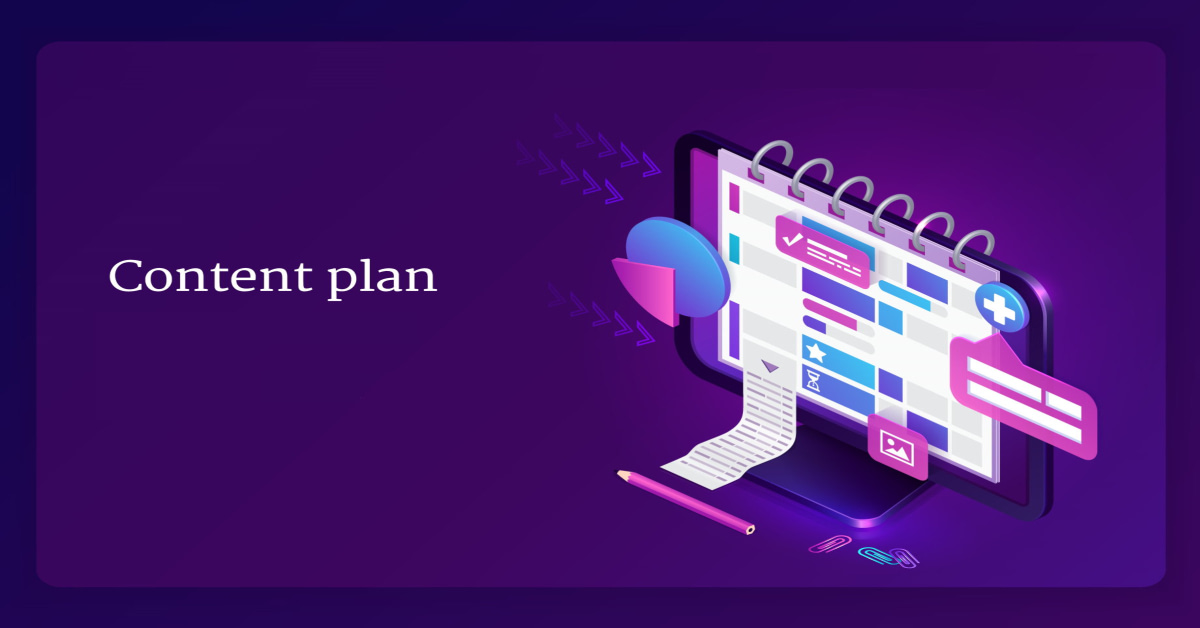
Use a content calendar
Saying that content will be released at a later date is insufficient and will more than likely lead to delays in the project. By having a shared content calendar, it will help keep everyone on the same page with the project. This way, people will be aware of when different parts of the project need to be completed and can update each other on the status of the project. It is important to do this early on in the planning process so that everyone knows their responsibilities.
Set goals and expectations
Setting goals and expectations for your content marketing strategy can help increase your chances of success by 30%. A clear business plan with objectives for your content marketing will help ensure that your strategy meets your business requirements.
Determine what resources you will need
Content creation is expensive. Blogging, making infographics, and editing videos all take time, talent, and money. In fact, content marketing is a $300 billion industry, and businesses spend an average of 25% of their marketing budget on it.
Because of the high costs, it’s important to plan ahead when creating content.

Content marketing is one of the most effective ways to reach your target audience and promote your product or service. However, it can be difficult to create content that is both interesting and informative. Here are some tips to help you overcome some common content marketing challenges:
Getting Started
If you are new to content marketing, it can be difficult to get started. However, there are a number of resources available to help you get started, including books, online courses, and tutorials.
Creating Engaging Content
One of the biggest challenges in content marketing is creating content that is both engaging and informative. It can be difficult to find the right balance between the two. However, it is important to remember that your content should be focused on providing value to your target audience.
Staying Up-To-Date
One of the challenges of content marketing is staying up-to-date with the latest trends. With the ever-changing landscape of the internet, it can be difficult to keep up with the latest trends. However, there are a number of ways to stay up-to-date, such as subscribing to industry newsletters and following thought leaders on social media.
Managing a Team
If you have a team of people working on your content marketing, it can be difficult to manage everyone. However, there are a number of tools and resources available to help you manage your team, such as project management software and collaboration tools.
Content marketing can be a great way to reach your target audience and promote your product or service. However, it can be challenging to create content that is both engaging and informative. By following these tips, you can overcome some of the most common content marketing challenges.

A content marketing strategy is a key element to any successful marketing campaign. It allows you to create valuable, relevant, and engaging content that will reach your target audience.
When creating your content marketing strategy, consider your goals, your audience, and the types of content that will be most effective. Keep in mind that your content marketing strategy should be flexible and able to adjust to the ever-changing landscape of the internet.
With a little planning and effort, you can create a content marketing strategy that will help you reach your goals and engage your audience.
If you really want to know more about the power of content marketing and blogging, you can take a look at the Rapid Blogging Blueprint training course or if you just want a few pointers for now you can grab the featured resource below for a free blogging report; download, read it and take action
 Productivity22nd DecemberBy Jason Daly
When it comes to productivity, there are a lot of things that can trip us up. Whether we’re new to the game or we’ve been at it for a while, we can all fall into some common traps.
In this article, we’ll explore 9 of the most common productivity mistakes that marketers make – and how to avoid them.
Not Defining Your Goal(s)Not Planning Your TimeNot Prioritizing Your TasksNot Tracking Your ProgressNot Delegating TasksNot Taking BreaksNot Eliminating DistractionsNot Overcoming ChallengesNot Asking For HelpConclusion

When it comes to productivity, one of the most common mistakes beginner marketers make is not having a clear goal in mind. Without a goal, it’s easy to get side-tracked and waste time on activities that don’t contribute to your overall success.
One of the best ways to avoid this mistake is to define your goal upfront. What exactly do you want to achieve? What are your targets? Once you have a clear goal in mind, it will be much easier to stay focused and avoid distractions.
If you’re not sure where to start, here are a few questions to ask yourself:
What are my top priorities?What do I need to do to achieve my goals?What can I delegate or outsource to other people or services?
Answering these questions will help you to create a clearer picture of what needs to be done to achieve your goal. From there, you can start to break down the tasks into manageable pieces and create a plan of action.
Don’t let a lack of clarity sabotage your productivity. Define your goal and take action towards it today.

If you’re new to marketing, one of the biggest mistakes you can make is not planning your time properly. Without a plan, it’s easy to get caught up in the day-to-day grind and lose sight of the bigger picture.
One way to avoid this is to set aside some time each week to plan your marketing activities. This doesn’t have to be a huge time commitment – even an hour or two can make a big difference.
@import url(“//fonts.googleapis.com/css?family=Roboto:400,400i,900,900i,700,700i,300,300i,500&subset=latin”);@media (min-width:300px){[data-css=”tve-u-05f99a23eb9fdc”]{background-color:rgb(255,255,255) !important;padding:1px !important;}[data-css=”tve-u-25f99a23eb9fe2″]{border-radius:5px;overflow:hidden;border:2px solid rgb(250,235,150) !important;background-color:rgb(249,240,187) !important;}[data-css=”tve-u-95f99a23eb9fe9″]{border:none;float:right;z-index:3;position:relative;font-size:48px !important;margin:0px !important;width:48px !important;height:48px !important;–tcb-local-color-icon:rgb(254,166,42);–tcb-local-color-var:rgb(254,166,42);–tve-icon-size:48px;}:not(#tve) [data-css=”tve-u-95f99a23eb9fe9″] >:first-child{color:rgb(254,166,42);–tve-applied-color:rgb(254,166,42);}[data-css=”tve-u-15f99a23eb9fe0″]{padding:30px 20px !important;margin-top:0px !important;margin-bottom:0px !important;}:not(#tve) .thrv-content-box[data-css=”tve-u-15f99a23eb9fe0″]:hover [data-css=”tve-u-35f99a23eb9fe3″] p,:not(#tve) .thrv-content-box[data-css=”tve-u-15f99a23eb9fe0″]:hover [data-css=”tve-u-35f99a23eb9fe3″] li,:not(#tve) .thrv-content-box[data-css=”tve-u-15f99a23eb9fe0″]:hover [data-css=”tve-u-35f99a23eb9fe3″] blockquote,:not(#tve) .thrv-content-box[data-css=”tve-u-15f99a23eb9fe0″]:hover [data-css=”tve-u-35f99a23eb9fe3″] address,:not(#tve) .thrv-content-box[data-css=”tve-u-15f99a23eb9fe0″]:hover [data-css=”tve-u-35f99a23eb9fe3″] .tcb-plain-text,:not(#tve) .thrv-content-box[data-css=”tve-u-15f99a23eb9fe0″]:hover [data-css=”tve-u-35f99a23eb9fe3″] label,:not(#tve) .thrv-content-box[data-css=”tve-u-15f99a23eb9fe0″]:hover [data-css=”tve-u-35f99a23eb9fe3″] h1,:not(#tve) .thrv-content-box[data-css=”tve-u-15f99a23eb9fe0″]:hover [data-css=”tve-u-35f99a23eb9fe3″] h2,:not(#tve) .thrv-content-box[data-css=”tve-u-15f99a23eb9fe0″]:hover [data-css=”tve-u-35f99a23eb9fe3″] h3,:not(#tve) .thrv-content-box[data-css=”tve-u-15f99a23eb9fe0″]:hover [data-css=”tve-u-35f99a23eb9fe3″] h4,:not(#tve) .thrv-content-box[data-css=”tve-u-15f99a23eb9fe0″]:hover [data-css=”tve-u-35f99a23eb9fe3″] h5,:not(#tve) .thrv-content-box[data-css=”tve-u-15f99a23eb9fe0″]:hover [data-css=”tve-u-35f99a23eb9fe3″] h6{color:rgb(52,73,94) !important;}:not(#tve) [data-css=”tve-u-15f99a23eb9fe0″]:hover [data-css=”tve-u-25f99a23eb9fe2″]{background-image:none !important;background-color:rgb(249,240,187) !important;border:2px solid rgb(254,166,42) !important;–tve-applied-background-color:rgb(249,240,187) !important;}:not(#tve) [data-css=”tve-u-95f99a23eb9fe9″]:hover >:first-child{color:rgb(254,166,42) !important;–tve-applied-color:rgb(254,166,42) !important;}[data-css=”tve-u-135f99a23eb9ff2″]{max-width:671px;float:right;z-index:3;position:relative;width:100%;padding:0px !important;margin-top:-2px !important;}[data-css=”tve-u-125f99a23eb9ff1″]::after{clear:both;}:not(#tve) [data-css=”tve-u-15f99a23eb9fe0″]:hover [data-css=”tve-u-95f99a23eb9fe9″] >:first-child{color:rgb(254,166,42);}:not(#tve) [data-css=”tve-u-145f99a23eb9ff3″]{font-size:24px !important;}[data-css=”tve-u-145f99a23eb9ff3″]{line-height:1.1em !important;}:not(#tve) .thrv-content-box [data-css=”tve-u-35f99a23eb9fe3″] p,:not(#tve) .thrv-content-box [data-css=”tve-u-35f99a23eb9fe3″] li,:not(#tve) .thrv-content-box [data-css=”tve-u-35f99a23eb9fe3″] blockquote,:not(#tve) .thrv-content-box [data-css=”tve-u-35f99a23eb9fe3″] address,:not(#tve) .thrv-content-box [data-css=”tve-u-35f99a23eb9fe3″] .tcb-plain-text,:not(#tve) .thrv-content-box [data-css=”tve-u-35f99a23eb9fe3″] label,:not(#tve) .thrv-content-box [data-css=”tve-u-35f99a23eb9fe3″] h1,:not(#tve) .thrv-content-box [data-css=”tve-u-35f99a23eb9fe3″] h2,:not(#tve) .thrv-content-box [data-css=”tve-u-35f99a23eb9fe3″] h3,:not(#tve) .thrv-content-box [data-css=”tve-u-35f99a23eb9fe3″] h4,:not(#tve) .thrv-content-box [data-css=”tve-u-35f99a23eb9fe3″] h5,:not(#tve) .thrv-content-box [data-css=”tve-u-35f99a23eb9fe3″] h6{color:rgb(27,119,179);}[data-css=”tve-u-15f99a23eb9fe0″]:hover [data-css=”tve-u-25f99a23eb9fe2″]{border:1px solid rgb(254,166,42) !important;}[data-css=”tve-u-15f99a23eb9fe0″]:hover [data-css=”tve-u-35f99a23eb9fe3″] p,[data-css=”tve-u-15f99a23eb9fe0″]:hover [data-css=”tve-u-35f99a23eb9fe3″] li,[data-css=”tve-u-15f99a23eb9fe0″]:hover [data-css=”tve-u-35f99a23eb9fe3″] blockquote,[data-css=”tve-u-15f99a23eb9fe0″]:hover [data-css=”tve-u-35f99a23eb9fe3″] address,[data-css=”tve-u-15f99a23eb9fe0″]:hover [data-css=”tve-u-35f99a23eb9fe3″] .tcb-plain-text,[data-css=”tve-u-15f99a23eb9fe0″]:hover [data-css=”tve-u-35f99a23eb9fe3″] label,[data-css=”tve-u-15f99a23eb9fe0″]:hover [data-css=”tve-u-35f99a23eb9fe3″] h1,[data-css=”tve-u-15f99a23eb9fe0″]:hover [data-css=”tve-u-35f99a23eb9fe3″] h2,[data-css=”tve-u-15f99a23eb9fe0″]:hover [data-css=”tve-u-35f99a23eb9fe3″] h3,[data-css=”tve-u-15f99a23eb9fe0″]:hover [data-css=”tve-u-35f99a23eb9fe3″] h4,[data-css=”tve-u-15f99a23eb9fe0″]:hover [data-css=”tve-u-35f99a23eb9fe3″] h5,[data-css=”tve-u-15f99a23eb9fe0″]:hover [data-css=”tve-u-35f99a23eb9fe3″] h6{text-decoration:underline !important;}:not(#tve) [data-css=”tve-u-175f99a23eb9ff6″]{font-size:18px !important;font-family:Roboto !important;font-weight:400 !important;color:rgb(52,73,94) !important;}[data-css=”tve-u-175f99a23eb9ff6″] strong{font-weight:700 !important;}:not(#tve) [data-css=”tve-u-165f99a23eb9ff5″]{font-size:19px !important;font-family:Roboto !important;font-weight:400 !important;}[data-css=”tve-u-165f99a23eb9ff5″] strong{font-weight:900 !important;}[data-css=”tve-u-65f99a23eb9fe6″]{max-width:12.4%;}[data-css=”tve-u-105f99a23eb9feb”]{max-width:87.6%;}[data-css=”tve-u-55f99a23eb9fe5″]{padding-top:0px !important;padding-bottom:0px !important;}[data-css=”tve-u-45f99a23eb9fe4″]{margin-bottom:0px !important;margin-top:0px !important;margin-left:-18px !important;}[data-css=”tve-u-85f99a23eb9fe8″]::after{clear:both;}[data-css=”tve-u-75f99a23eb9fe7″]{margin-left:0px !important;}:not(#tve) [data-css=”tve-u-95f99a23eb9fe9″]:hover{–tcb-local-color-icon:rgb(254,166,42) !important;–tcb-local-color-var:rgb(254,166,42) !important;}}@media (max-width:767px){[data-css=”tve-u-95f99a23eb9fe9″]{float:left;z-index:3;position:relative;padding-top:0px !important;margin-top:44px !important;}[data-css=”tve-u-85f99a23eb9fe8″]::after{clear:both;}[data-css=”tve-u-55f99a23eb9fe5″]{flex-wrap:nowrap !important;}[data-css=”tve-u-135f99a23eb9ff2″]{max-width:700px;float:none;position:relative;width:100%;z-index:4 !important;margin-top:-4px !important;margin-right:auto !important;padding-right:0px !important;padding-left:0px !important;margin-left:auto !important;}[data-css=”tve-u-125f99a23eb9ff1″]::after{clear:both;}[data-css=”tve-u-115f99a23eb9fef”]{–tve-font-size:1px;padding-left:7px !important;margin-left:4px !important;padding-right:0px !important;margin-right:-21px !important;}:not(#tve) [data-css=”tve-u-145f99a23eb9ff3″]{font-size:16px !important;padding-bottom:0px !important;margin-bottom:0px !important;line-height:1.65em !important;}[data-css=”tve-u-15f99a23eb9fe0″]{max-width:642px;padding-top:15px !important;padding-bottom:8px !important;}[data-css=”tve-u-35f99a23eb9fe3″]{min-height:1px;–tve-font-size:1px;–tve-line-height:8em;}:not(#tve) .thrv-content-box [data-css=”tve-u-35f99a23eb9fe3″] p,:not(#tve) .thrv-content-box [data-css=”tve-u-35f99a23eb9fe3″] li,:not(#tve) .thrv-content-box [data-css=”tve-u-35f99a23eb9fe3″] blockquote,:not(#tve) .thrv-content-box [data-css=”tve-u-35f99a23eb9fe3″] address,:not(#tve) .thrv-content-box [data-css=”tve-u-35f99a23eb9fe3″] .tcb-plain-text,:not(#tve) .thrv-content-box [data-css=”tve-u-35f99a23eb9fe3″] label{font-size:var(–tve-font-size,1px);line-height:var(–tve-line-height,8em);}:not(#tve) [data-css=”tve-u-175f99a23eb9ff6″]{font-weight:var(–g-regular-weight,normal)!important;–eff-color:rgb(52,73,94)!important;–eff-faded:rgba(52,73,94,0.6)!important;–eff-ensure-contrast:rgba(52,73,94,0.6)!important;–eff-ensure-contrast-complement:rgba(73,52,94,0.6)!important;box-shadow:none !important;border-bottom:none !important;background:none !important;text-decoration:none !important;animation:0s ease 0s 1 normal none running none !important;transition:none 0s ease 0s !important;padding-left:0px !important;–eff:none!important;–tve-applied-box-shadow:none!important;font-size:20px !important;font-family:Roboto !important;}:not(#tve) [data-css=”tve-u-175f99a23eb9ff6″]:hover{text-decoration:none !important;background:none !important;box-shadow:none !important;–tve-applied-box-shadow:none!important;}:not(#tve) [data-css=”tve-u-115f99a23eb9fef”] p,:not(#tve) [data-css=”tve-u-115f99a23eb9fef”] li,:not(#tve) [data-css=”tve-u-115f99a23eb9fef”] blockquote,:not(#tve) [data-css=”tve-u-115f99a23eb9fef”] address,:not(#tve) [data-css=”tve-u-115f99a23eb9fef”] .tcb-plain-text,:not(#tve) [data-css=”tve-u-115f99a23eb9fef”] label{font-size:var(–tve-font-size,1px);}:not(#tve) [data-css=”tve-u-165f99a23eb9ff5″]{font-size:20px !important;font-family:Roboto !important;}[data-css=”tve-u-35f99a23eb9fe3″] h1{padding:0px !important;margin:0px !important;}}
During your planning time, take a step back and think about your overall goals. What do you want to achieve in the next month, or even the next year? Once you have a general idea of what you’re working towards, you can start to break down your goals into smaller, more manageable pieces.
From there, you can start to create a plan of action. What specific steps do you need to take to achieve your goals? What resources do you need? Who can you partner with to help you achieve your objectives?
Taking the time to plan your marketing efforts will pay off in the long run. By being more strategic and focused, you’ll be able to get more done in less time – and ultimately achieve better results.

It’s easy to get caught up in the day-to-day details of your business and lose sight of what’s really important. When you’re first starting out, it’s critical to have a clear understanding of your priorities and what needs to be done in order to achieve your goals.
One of the biggest mistakes that beginner marketers make is not prioritizing their tasks. Without a clear understanding of what’s important, it’s easy to get bogged down in the details and miss deadlines.
If you want to be successful, you need to learn to prioritize your tasks and focus on the most important ones first. Here are a few ideas to help you get started:
 Make a list of everything that needs to be done.Rank your tasks in order of importance.Set deadlines for each task.Work on one task at a time and don’t move on to the next one until the first one is complete.Take a break after you finish each task to prevent burnout.
By following these ideas, you’ll be able to focus on the most important tasks and get them done in a timely manner. Prioritizing your tasks is essential to your success as a marketer.

Another productivity mistake that beginner marketers make is not tracking their progress. Without a way to measure your success, it’s easy to get discouraged and give up.
I’m a big fan of tracking my progress. I track my progress in everything I do, whether it’s my fitness goals, my writing goals, or my business goals. And I highly recommend that you do the same.
There are a few different ways you can track your progress. One way is to simply keep a journal. Every day, write down what you accomplished and how you felt about it. This will help you see your progress over time and keep you motivated.
Another way to track your progress is to set up a spreadsheet. This can be as simple or as complicated as you want. Track your progress on a daily, weekly, or monthly basis. This will help you see your progress and identify any patterns.
Finally, you can use a tracking app. There are a number of great ones available, both free and paid. These can help you track your progress and give you insights into your behaviour.
No matter how you track your progress, the important thing is that you do it. Tracking your progress will help you stay motivated and on track.

I’m a big believer in delegation. As a business owner, it’s important to be involved in the day-to-day operations of your business. But it’s also important to delegate tasks to others so you can focus on the big picture.
One of the biggest mistakes I see beginner marketers make is trying to do everything themselves. They wear all the hats – from sales and marketing to operations and customer service.
The problem with this approach is that it’s simply not sustainable. You can’t do everything yourself and expect to be successful in the long run.
At some point, you have to delegate tasks to others so you can focus on the things that only you can do.
There are a few things to keep in mind when delegating tasks:
Be clear about what you want to achieve
The first step is to be clear about what you want to achieve. What are your goals and objectives? What needs to be done in order to achieve those goals?
Find the right people
Not everyone is suited for every task. You need to find people who are skilled and experienced in the areas you’re delegating.
Set clear expectations
It’s important to set clear expectations from the start. What exactly do you need from the person you’re delegating to? What are the deadlines? What are the deliverables?
Provide feedback
Finally, don’t forget to provide feedback. Let the person know how they’re doing and whether or not they’re meeting your expectations.
Delegation is a key skill for any business owner. By delegating tasks to others, you can focus on the things that only you can do and grow your business in the process.

I get it, you’re busy. You’ve got a lot on your plate and the last thing you want to do is take a break. But trust me, if you want to be productive, you need to take breaks. It’s easy to get caught up in the hustle and bustle of the day and forget to take a few minutes to yourself. But if you want to improve your productivity, you need to take breaks.
Here’s why:
Breaks help you refocus
When you’re feeling overwhelmed or bogged down by a task, taking a break can help you clear your head and come back to the task refreshed and ready to tackle it.
Breaks help you avoid burnout
If you don’t take breaks, you’ll eventually burn out. And when you’re burnt out, you’re not productive. You need breaks to avoid burnout and keep your productivity levels up.
Breaks can boost your creativity
If you’re feeling stuck on a problem, taking a break can help you come up with a fresh perspective. Sometimes, the best solutions come when you step away from the problem and take a break.
Breaks can improve your physical health
Sitting in front of a computer all day can take a toll on your body. Taking breaks to move around and get some fresh air can help you stay physically healthy, which in turn can help you be more productive.
Breaks can improve your mental health
Like physical health, mental health is important for productivity. If you’re feeling stressed or anxious, taking a break can help you clear your head and come back to work with a fresh perspective.
So, don’t be afraid to take a break. A few minutes here and there can make a big difference and improve your productivity.

I’m sure you’ve all been there before. You’re in the middle of working on something important and all of a sudden you hear a notification from your phone or email. You know you shouldn’t, but you can’t help but look.
And then, before you know it, you’ve wasted 10 minutes (or more) on something that has nothing to do with what you’re supposed to be doing. It’s easy to get distracted when you’re working on something important.
But if you want to be successful, you need to learn to eliminate distractions. Here are some tips:
Turn off notifications.
This is one of the easiest things you can do to eliminate distractions. If you’re not getting notifications, you can’t be tempted to look at your phone or email every time there’s a new message.
Work in a distraction-free environment.
If possible, find a place to work where you won’t be interrupted by other people or things. If you can’t find a completely distraction-free environment, try to at least find a place where you can minimize distractions.
Put your phone away.
This one is tough for a lot of people, myself included. But it’s important to realize that your phone is a major distraction. If you can, put it in another room or turn it off completely.
Set a time limit.
If you find yourself getting distracted by something, set a time limit for how long you’re allowed to stay focused on it. Once the time is up, move on to something else.
Get rid of distractions.
If there are things in your environment that are constantly distracting you, get rid of them. This might mean unsubscribing from emails that you don’t need or getting rid of clutter in your workspace.
Change your mindset.
One of the biggest things that you can do to eliminate distractions is to change your mindset. Instead of thinking of distractions as something that you have to fight, think of them as opportunities to take a break or to learn something new.
Take a break from technology.
If you find yourself getting distracted by technology, take a break from it. Go for a walk, read a book, or do something that doesn’t involve screens.
Find an accountability partner.
If you have someone who you can check in with, it can help you stay on track. Find someone who has similar goals and who will hold you accountable for your progress.
Eliminating distractions can be a challenge, but it’s worth it if you want to be successful. Try out these tips and see how they work for you.

This is a big one. I’m not going to lie to you, overcoming challenges is hard. But it’s worth it.
When you’re faced with a difficult task, it can be tempting to give up. But if you push through and overcome the challenge, you’ll be stronger for it. You’ll also have a sense of pride and accomplishment that comes from knowing you can handle whatever life throws at you.
So how do you overcome challenges?
Here are a few tips:
Break the task down into smaller pieces
When you’re feeling overwhelmed, it can help to break the task down into smaller, more manageable parts. This will make the challenge seem less daunting and will help you to focus on one thing at a time.
Ask for help
There’s no shame in admitting that you need help. In fact, asking for help is a sign of strength. If you’re feeling stuck, reach out to a friend, family member, or colleague for help.
Persevere
When you’re facing a challenge, it’s important to persevere. This means continuing to work towards your goal, even when it feels impossible. Remember, challenges are meant to be overcome. So don’t give up!
Learn from your mistakes
If you do fail, it’s important to learn from your mistakes. What went wrong? What could you have done differently? By asking yourself these questions, you’ll be better prepared to face future challenges.
Celebrate your successes
It’s important to celebrate your successes, no matter how small. This will help you to stay motivated and will remind you that you are capable of overcoming challenges.
Overcoming challenges is never easy. But it’s always worth it. So don’t give up, keep pushing forward, and you’ll eventually reach your goal.

The final mistake that beginner marketers make is not asking for help. I remember when I first started my online business. I was so excited to finally be my own boss and make my own hours.
I quickly realized that I had no idea what I was doing. I was so overwhelmed with trying to figure out everything on my own.
I made a lot of mistakes and wasted a lot of time and money. If I had only known then what I know now, I would have saved myself a lot of headaches. One of the most important things I’ve learned is that it’s okay to ask for help. In fact, it’s essential if you want to be successful.
When you’re first starting out, it’s easy to feel like you have to do everything yourself. However, there’s no shame in asking for help from more experienced marketers. In fact, it’s one of the best ways to learn and grow your business.
There are a lot of free resources available online, but sometimes the best help comes from someone who’s been there before. If you’re feeling stuck, don’t be afraid to reach out to someone who can help you get unstuck.
Asking for help is a sign of strength, not weakness. It shows that you’re willing to do whatever it takes to be successful. So don’t be afraid to ask for help when you need it. It could be the best thing you ever do for your business.
There are a few key takeaways from this article. First, it is important to avoid common productivity mistakes when starting out as a marketer. Second, taking the time to learn new skills and strategies can go a long way in helping you become more productive. Finally, consistently tracking your progress and making adjustments along the way will help you stay on track and achieve your marketing goals. So what are you waiting for…?
If you want to know more about being productive, then check out the Featured Resource below for a free report; download, read it and take action