
Get Your Free Simple List Building Report...
Just enter your details in the form below and we'll send you the free bonus resource that goes with this article.
Just enter your name and email below to get instant access!

 Email Marketing18th DecemberBy Jason Daly
Email subject lines are one of the most important parts of your email marketing. They are what determine whether or not your email will be opened and read.
A great email subject line will grab the reader’s attention and make them want to learn more about what you have to say.
There are a few key things to keep in mind when crafting your subject line. In this article, we’ll look at some simple strategies to help you write great email subject lines that will get your messages opened and read.
What Makes People Open Your Emails?Different Types Of Email Subject LinesWhat Makes A Good Email Subject
Line?Best Practice When Writing Email Subject LinesConclusion
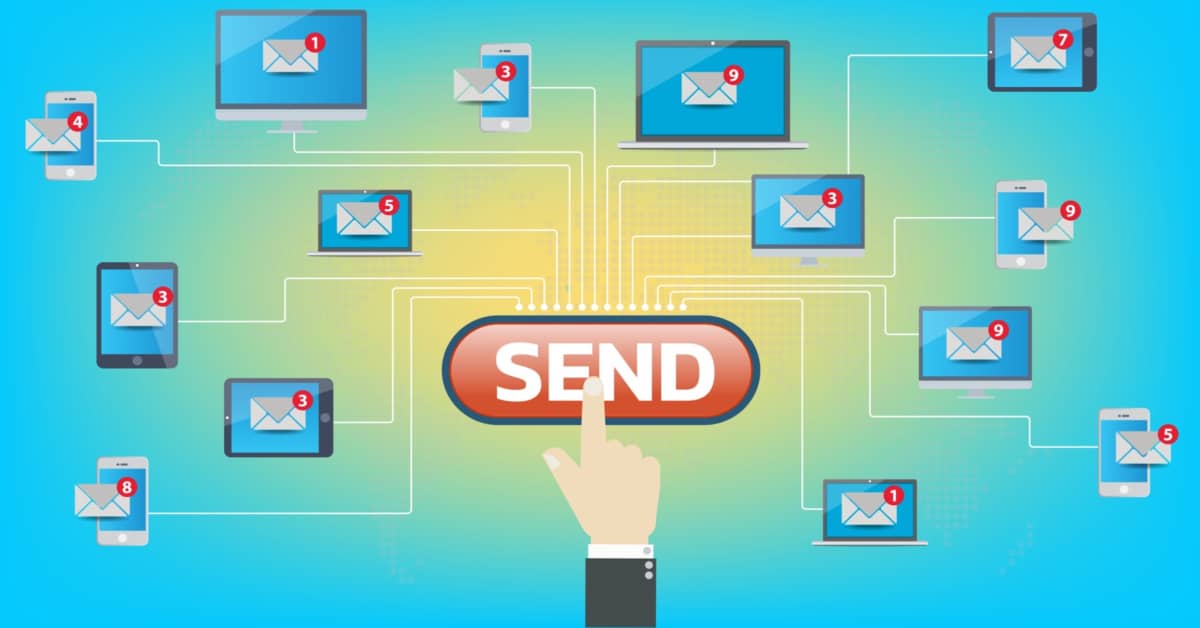
When it comes to email, we all want the same thing: to have our messages opened and read. But what makes people actually open and read our emails?
It’s a question that’s been debated for years, and there’s no one-size-fits-all answer. But there are some general principles that can help you create emails that people are more likely to open and read.
Here are four tips to make your emails more likely to be opened and read:
 Make sure your subject line relates directly to the reader.
The subject line is the first thing people see when they receive your email, so it’s important to make it count. Write a subject line that’s interesting and relevant to the email’s content and relates to what your reader is looking for.Appeal to our self-interest
The main reason that people will sign up for your email list is because you offer them something that will benefit them. We are all naturally self-interested, meaning we are attracted to things that we think will help us in some way. Therefore, if you can appeal to someone’s self-interest without asking for anything in return, you will have an email that is much more likely to be opened.Use personalization to make your email stand out.
Personalization can go a long way in making your email stand out in someone’s inbox. Use the person’s name in the subject line and throughout the email to make it more personal.Stir emotions
The last reason people will open an email is because it has sparked some sort of emotional interest. This could be because they disagree with the subject line and want to see what the email has to say, because the subject line is so strange they feel compelled to find out more, or because the subject line has promised something inspiring or powerful. Creating an emotional response in your readers can help you not only increase open rates but also build a brand with which people feel a connection.
Following these tips will help you create emails that people are more likely to open and read. But there’s no guarantee that your email will be opened and read, even if you do everything right. Sometimes, people just don’t have the time or interest to read every email they receive.
If you want to improve your chances of having your email read, focus on building a relationship with your subscribers. The more they know, like, and trust you, the more likely they are to open and read your emails.

Email subject lines are one of the most important elements of your email marketing campaign. They are the first thing your subscribers see when they open their inbox and can be the difference between your email being read or being ignored.
With so much importance placed on email subject lines, it’s important to understand the different types of subject lines and how to use them to your advantage.
Here are some different types of email subject lines to consider:
 The “You” Subject Line
This type of subject line is all about personalization. It’s designed to make the recipient feel like the email is meant specifically for them.
For example, “You’re invited to our VIP launch party!”The “Urgent” Subject Line
Sometimes, you need to convey a sense of urgency in your subject line. This type of subject line is often used for time-sensitive offers or announcements.
For example, “Last chance to get 20% off!”The “Benefit” Subject Line
With this type of subject line, you want to focus on the benefit that the recipient will get by opening your email.
For example, “5 easy ways to improve your website’s conversion rate.”The ” Curiosity” Subject Line
With this type of subject line, you want to pique the recipient’s curiosity and get them to open the email to find out more.
For example, “You’ll never guess what we’re giving away this week!”The ” Testimonial” Subject Line
If you have a testimonial or positive review from a satisfied customer, you can use it in your subject line to increase your open rates.
For example, “John Smith loves our products!”The “Question” Subject Line
Asking a question in your subject line can be a great way to get the recipient to engage with your email.
For example, “Do you know the best time to post on social media?”The “List” Subject Line
People love lists! If you have a list of tips, tricks, or ideas, be sure to include it in your subject line.
For example, “7 ways to improve your email marketing.”The “How To” Subject Line
If you have a helpful tutorial or guide, be sure to include the word “how to” in your subject line. This will let the recipient know that they can expect to learn something from your email.
For example, “How to increase your website’s conversion rate.”The “Tip” Subject Line
If you have a quick tip that can help the recipient in some way, be sure to include the word “tip” in your subject line.
For example, “Tip: How to get more followers on social media.”The “Free” Subject Line
Everybody loves free stuff! If you’re giving away something for free, be sure to include the word “free” in your subject line.
For example, “Free eBook: 7 ways to improve your email marketing.”
Hopefully, these different types of email subject lines have given you some ideas of your own. Remember, the key is to test different subject lines and see what works best for your audience.

Do you know what makes a good email subject line? This is a question that many people ask, especially when they are trying to improve their email marketing campaigns.
There are a few things that you should keep in mind when you are crafting your subject lines, such as relevance, urgency, and storytelling. Let’s take a closer look at each of these factors.
 Relevance
Your email subject line should be relevant to the content of your email. This may seem like a no-brainer, but you’d be surprised how many people make the mistake of using a generic or irrelevant subject line.
Think about what you want your email to achieve. What is the main message that you want to get across? Once you know this, you can craft a subject line that is relevant to the email’s content.Urgency
Your subject line should also convey a sense of urgency. This doesn’t mean that you should use all caps or exclamation points (unless that is part of your brand’s voice), but it should communicate that the recipient needs to take action on the email.
One way to do this is to use time-sensitive language, such as “act now,” “limited time only,” or “while supplies last.” You can also use numbers to convey a sense of urgency, such as “48 hours only” or “5 steps to take now.”Storytelling
A good email subject line should also be able to tell a story. This doesn’t mean that your subject line should be a novel, but it should be interesting enough to make the recipient want to learn more.
Think about how you can use your subject line to pique the recipient’s curiosity. Ask a question, use a surprising statistic, or tell a mini-story that will entice the reader to open the email.
Keep these factors in mind the next time you are crafting your email subject lines. By making sure that your subject lines are relevant, urgent, and tell a story, you’ll be sure to improve your open rates and get your message across.

So, we are beginning to put all the pieces together to craft a compelling email subject line to make the most of your email marketing efforts.
The last thing you want to take into consideration are the best practices to use when writing them. Here are just a few best practices to follow when writing your email copy.
 Keep it short and sweetThe subject line is not the place to get wordy. Keep it short and to the point – ideally, around 50 characters or less. This will ensure that your subject line is readable in the preview pane and doesn’t get cut off.Be clear about what’s insideYour subject line should give recipients a good idea of what they can expect to find in the email. Be clear and concise, without being too vague.Use actionable languageInclude verbs or other actionable language in your subject line to encourage recipients to open and read your email. For example, “Learn about the new features in our latest product release.”Avoid using all capsUsing all caps in your subject line will make it difficult to read and can come across as shouting. Stick to using normal capitalization.Use personalizationPersonalized subject lines are more likely to get opened and read than generic ones. Include the recipient’s name, company, or other relevant information.Don’t reinvent the wheelWe can learn from successful email subject lines to improve our own. By looking at examples of effective subject lines, we can get ideas for how to make our own subjects more effective. Seeing how others use wordplay or emojis can give us new ways to approach our subject line.Test, test, testAs with anything in email marketing, it’s important to test your subject lines to see what works best with your audience. Try different versions of your subject line and see which ones get the most opens and clicks.

Email subject lines are important because they are one of the first things that recipients see and can often determine whether or not an email gets opened. To write great email subject lines, focus on being clear, concise, and making sure that the subject line is relevant to the email’s content.
Different types of email subject lines can be effective for different purposes, so it’s important to choose the right one for each email. Ultimately, what makes a good email subject line is that it is interesting and makes the recipient want to learn more by opening the email.
You will only get better at writing emails and getting them opened if you actually do it, so try keeping some of these things in mind the next time you start writing an email to your subscribers, and hopefully you will see your emails hitting the inbox and your open rates increase.
Email marketing isn’t going anywhere any time soon and can be incredibly lucrative, so it is a good skill to try to learn and master.
If you want to know more email marketing tips about building and nurturing your email list, check out the featured resource below, where you can get a free report about simple list building to expand your knowledge further. If you do download it, please read it and take action and good luck 

 Productivity15th DecemberBy Jason Daly
If you’re anything like me, your to-do list is never-ending, and your productivity levels are all over the place. But it doesn’t have to be that way! With a few simple time management skills, you can complete tasks quickly and efficiently, freeing up more time for the things you love.
What Are Time Management Skills?
Time management skills are the ability to use your time wisely and effectively. Everyone has the same amount of time, but some people seem to get more done than others. If you want to be more productive, you need to learn how to manage your time better.
Here are five time-management skills to help you get started
PurposeFocusGoal SettingPrioritizationDelegationConclusion

Whether you want to build a fulfilling career, find more passion in your life, or make time for your health and wellness, all examples of time management skills start with a single foundation: finding your purpose.
Your purpose is what drives you to do what you do. It’s what motivates you to get up in the morning and face the day. It’s what gives you the strength to keep going when things get tough. And it’s what keeps you focused on your goals.
Finding your purpose can be a challenge, but it’s worth the effort. Once you know what your purpose is, you can start to figure out how to best use your time to achieve it.
There are a few questions you can ask yourself to help you find your purpose:
 What are your values?What do you want to achieve in life?What makes you happy?What do you want to be known for?What difference do you want to make in the world?
Answering these questions can help you gain clarity on what your purpose is. From there, you can start to develop time-management skills that will help you achieve your goals.

“Where focus goes, energy flows.” The first step is getting clear on what it is you really want, and then aligning your ultimate goals with the actions you need to take today.
What are your goals? What do you want to achieve? What kind of life do you want to live?
Once you have a good understanding of your goals, it’s much easier to start taking the actions you need to take today in order to achieve them.
But what if you’re not sure what you want? Or what if your goals seem so far out of reach that you don’t even know where to start?
That’s where focus comes in.
@import url(“//fonts.googleapis.com/css?family=Roboto:400,400i,900,900i,700,700i,300,300i,500&subset=latin”);@media (min-width:300px){[data-css=”tve-u-05f99a23eb9fdc”]{background-color:rgb(255,255,255) !important;padding:1px !important;}[data-css=”tve-u-25f99a23eb9fe2″]{border-radius:5px;overflow:hidden;border:2px solid rgb(250,235,150) !important;background-color:rgb(249,240,187) !important;}[data-css=”tve-u-95f99a23eb9fe9″]{border:none;float:right;z-index:3;position:relative;font-size:48px !important;margin:0px !important;width:48px !important;height:48px !important;–tcb-local-color-icon:rgb(254,166,42);–tcb-local-color-var:rgb(254,166,42);–tve-icon-size:48px;}:not(#tve) [data-css=”tve-u-95f99a23eb9fe9″] >:first-child{color:rgb(254,166,42);–tve-applied-color:rgb(254,166,42);}[data-css=”tve-u-15f99a23eb9fe0″]{padding:30px 20px !important;margin-top:0px !important;margin-bottom:0px !important;}:not(#tve) .thrv-content-box[data-css=”tve-u-15f99a23eb9fe0″]:hover [data-css=”tve-u-35f99a23eb9fe3″] p,:not(#tve) .thrv-content-box[data-css=”tve-u-15f99a23eb9fe0″]:hover [data-css=”tve-u-35f99a23eb9fe3″] li,:not(#tve) .thrv-content-box[data-css=”tve-u-15f99a23eb9fe0″]:hover [data-css=”tve-u-35f99a23eb9fe3″] blockquote,:not(#tve) .thrv-content-box[data-css=”tve-u-15f99a23eb9fe0″]:hover [data-css=”tve-u-35f99a23eb9fe3″] address,:not(#tve) .thrv-content-box[data-css=”tve-u-15f99a23eb9fe0″]:hover [data-css=”tve-u-35f99a23eb9fe3″] .tcb-plain-text,:not(#tve) .thrv-content-box[data-css=”tve-u-15f99a23eb9fe0″]:hover [data-css=”tve-u-35f99a23eb9fe3″] label,:not(#tve) .thrv-content-box[data-css=”tve-u-15f99a23eb9fe0″]:hover [data-css=”tve-u-35f99a23eb9fe3″] h1,:not(#tve) .thrv-content-box[data-css=”tve-u-15f99a23eb9fe0″]:hover [data-css=”tve-u-35f99a23eb9fe3″] h2,:not(#tve) .thrv-content-box[data-css=”tve-u-15f99a23eb9fe0″]:hover [data-css=”tve-u-35f99a23eb9fe3″] h3,:not(#tve) .thrv-content-box[data-css=”tve-u-15f99a23eb9fe0″]:hover [data-css=”tve-u-35f99a23eb9fe3″] h4,:not(#tve) .thrv-content-box[data-css=”tve-u-15f99a23eb9fe0″]:hover [data-css=”tve-u-35f99a23eb9fe3″] h5,:not(#tve) .thrv-content-box[data-css=”tve-u-15f99a23eb9fe0″]:hover [data-css=”tve-u-35f99a23eb9fe3″] h6{color:rgb(52,73,94) !important;}:not(#tve) [data-css=”tve-u-15f99a23eb9fe0″]:hover [data-css=”tve-u-25f99a23eb9fe2″]{background-image:none !important;background-color:rgb(249,240,187) !important;border:2px solid rgb(254,166,42) !important;–tve-applied-background-color:rgb(249,240,187) !important;}:not(#tve) [data-css=”tve-u-95f99a23eb9fe9″]:hover >:first-child{color:rgb(254,166,42) !important;–tve-applied-color:rgb(254,166,42) !important;}[data-css=”tve-u-135f99a23eb9ff2″]{max-width:671px;float:right;z-index:3;position:relative;width:100%;padding:0px !important;margin-top:-2px !important;}[data-css=”tve-u-125f99a23eb9ff1″]::after{clear:both;}:not(#tve) [data-css=”tve-u-15f99a23eb9fe0″]:hover [data-css=”tve-u-95f99a23eb9fe9″] >:first-child{color:rgb(254,166,42);}:not(#tve) [data-css=”tve-u-145f99a23eb9ff3″]{font-size:24px !important;}[data-css=”tve-u-145f99a23eb9ff3″]{line-height:1.1em !important;}:not(#tve) .thrv-content-box [data-css=”tve-u-35f99a23eb9fe3″] p,:not(#tve) .thrv-content-box [data-css=”tve-u-35f99a23eb9fe3″] li,:not(#tve) .thrv-content-box [data-css=”tve-u-35f99a23eb9fe3″] blockquote,:not(#tve) .thrv-content-box [data-css=”tve-u-35f99a23eb9fe3″] address,:not(#tve) .thrv-content-box [data-css=”tve-u-35f99a23eb9fe3″] .tcb-plain-text,:not(#tve) .thrv-content-box [data-css=”tve-u-35f99a23eb9fe3″] label,:not(#tve) .thrv-content-box [data-css=”tve-u-35f99a23eb9fe3″] h1,:not(#tve) .thrv-content-box [data-css=”tve-u-35f99a23eb9fe3″] h2,:not(#tve) .thrv-content-box [data-css=”tve-u-35f99a23eb9fe3″] h3,:not(#tve) .thrv-content-box [data-css=”tve-u-35f99a23eb9fe3″] h4,:not(#tve) .thrv-content-box [data-css=”tve-u-35f99a23eb9fe3″] h5,:not(#tve) .thrv-content-box [data-css=”tve-u-35f99a23eb9fe3″] h6{color:rgb(27,119,179);}[data-css=”tve-u-15f99a23eb9fe0″]:hover [data-css=”tve-u-25f99a23eb9fe2″]{border:1px solid rgb(254,166,42) !important;}[data-css=”tve-u-15f99a23eb9fe0″]:hover [data-css=”tve-u-35f99a23eb9fe3″] p,[data-css=”tve-u-15f99a23eb9fe0″]:hover [data-css=”tve-u-35f99a23eb9fe3″] li,[data-css=”tve-u-15f99a23eb9fe0″]:hover [data-css=”tve-u-35f99a23eb9fe3″] blockquote,[data-css=”tve-u-15f99a23eb9fe0″]:hover [data-css=”tve-u-35f99a23eb9fe3″] address,[data-css=”tve-u-15f99a23eb9fe0″]:hover [data-css=”tve-u-35f99a23eb9fe3″] .tcb-plain-text,[data-css=”tve-u-15f99a23eb9fe0″]:hover [data-css=”tve-u-35f99a23eb9fe3″] label,[data-css=”tve-u-15f99a23eb9fe0″]:hover [data-css=”tve-u-35f99a23eb9fe3″] h1,[data-css=”tve-u-15f99a23eb9fe0″]:hover [data-css=”tve-u-35f99a23eb9fe3″] h2,[data-css=”tve-u-15f99a23eb9fe0″]:hover [data-css=”tve-u-35f99a23eb9fe3″] h3,[data-css=”tve-u-15f99a23eb9fe0″]:hover [data-css=”tve-u-35f99a23eb9fe3″] h4,[data-css=”tve-u-15f99a23eb9fe0″]:hover [data-css=”tve-u-35f99a23eb9fe3″] h5,[data-css=”tve-u-15f99a23eb9fe0″]:hover [data-css=”tve-u-35f99a23eb9fe3″] h6{text-decoration:underline !important;}:not(#tve) [data-css=”tve-u-175f99a23eb9ff6″]{font-size:18px !important;font-family:Roboto !important;font-weight:400 !important;color:rgb(52,73,94) !important;}[data-css=”tve-u-175f99a23eb9ff6″] strong{font-weight:700 !important;}:not(#tve) [data-css=”tve-u-165f99a23eb9ff5″]{font-size:19px !important;font-family:Roboto !important;font-weight:400 !important;}[data-css=”tve-u-165f99a23eb9ff5″] strong{font-weight:900 !important;}[data-css=”tve-u-65f99a23eb9fe6″]{max-width:12.4%;}[data-css=”tve-u-105f99a23eb9feb”]{max-width:87.6%;}[data-css=”tve-u-55f99a23eb9fe5″]{padding-top:0px !important;padding-bottom:0px !important;}[data-css=”tve-u-45f99a23eb9fe4″]{margin-bottom:0px !important;margin-top:0px !important;margin-left:-18px !important;}[data-css=”tve-u-85f99a23eb9fe8″]::after{clear:both;}[data-css=”tve-u-75f99a23eb9fe7″]{margin-left:0px !important;}:not(#tve) [data-css=”tve-u-95f99a23eb9fe9″]:hover{–tcb-local-color-icon:rgb(254,166,42) !important;–tcb-local-color-var:rgb(254,166,42) !important;}}@media (max-width:767px){[data-css=”tve-u-95f99a23eb9fe9″]{float:left;z-index:3;position:relative;padding-top:0px !important;margin-top:44px !important;}[data-css=”tve-u-85f99a23eb9fe8″]::after{clear:both;}[data-css=”tve-u-55f99a23eb9fe5″]{flex-wrap:nowrap !important;}[data-css=”tve-u-135f99a23eb9ff2″]{max-width:700px;float:none;position:relative;width:100%;z-index:4 !important;margin-top:-4px !important;margin-right:auto !important;padding-right:0px !important;padding-left:0px !important;margin-left:auto !important;}[data-css=”tve-u-125f99a23eb9ff1″]::after{clear:both;}[data-css=”tve-u-115f99a23eb9fef”]{–tve-font-size:1px;padding-left:7px !important;margin-left:4px !important;padding-right:0px !important;margin-right:-21px !important;}:not(#tve) [data-css=”tve-u-145f99a23eb9ff3″]{font-size:16px !important;padding-bottom:0px !important;margin-bottom:0px !important;line-height:1.65em !important;}[data-css=”tve-u-15f99a23eb9fe0″]{max-width:642px;padding-top:15px !important;padding-bottom:8px !important;}[data-css=”tve-u-35f99a23eb9fe3″]{min-height:1px;–tve-font-size:1px;–tve-line-height:8em;}:not(#tve) .thrv-content-box [data-css=”tve-u-35f99a23eb9fe3″] p,:not(#tve) .thrv-content-box [data-css=”tve-u-35f99a23eb9fe3″] li,:not(#tve) .thrv-content-box [data-css=”tve-u-35f99a23eb9fe3″] blockquote,:not(#tve) .thrv-content-box [data-css=”tve-u-35f99a23eb9fe3″] address,:not(#tve) .thrv-content-box [data-css=”tve-u-35f99a23eb9fe3″] .tcb-plain-text,:not(#tve) .thrv-content-box [data-css=”tve-u-35f99a23eb9fe3″] label{font-size:var(–tve-font-size,1px);line-height:var(–tve-line-height,8em);}:not(#tve) [data-css=”tve-u-175f99a23eb9ff6″]{font-weight:var(–g-regular-weight,normal)!important;–eff-color:rgb(52,73,94)!important;–eff-faded:rgba(52,73,94,0.6)!important;–eff-ensure-contrast:rgba(52,73,94,0.6)!important;–eff-ensure-contrast-complement:rgba(73,52,94,0.6)!important;box-shadow:none !important;border-bottom:none !important;background:none !important;text-decoration:none !important;animation:0s ease 0s 1 normal none running none !important;transition:none 0s ease 0s !important;padding-left:0px !important;–eff:none!important;–tve-applied-box-shadow:none!important;font-size:20px !important;font-family:Roboto !important;}:not(#tve) [data-css=”tve-u-175f99a23eb9ff6″]:hover{text-decoration:none !important;background:none !important;box-shadow:none !important;–tve-applied-box-shadow:none!important;}:not(#tve) [data-css=”tve-u-115f99a23eb9fef”] p,:not(#tve) [data-css=”tve-u-115f99a23eb9fef”] li,:not(#tve) [data-css=”tve-u-115f99a23eb9fef”] blockquote,:not(#tve) [data-css=”tve-u-115f99a23eb9fef”] address,:not(#tve) [data-css=”tve-u-115f99a23eb9fef”] .tcb-plain-text,:not(#tve) [data-css=”tve-u-115f99a23eb9fef”] label{font-size:var(–tve-font-size,1px);}:not(#tve) [data-css=”tve-u-165f99a23eb9ff5″]{font-size:20px !important;font-family:Roboto !important;}[data-css=”tve-u-35f99a23eb9fe3″] h1{padding:0px !important;margin:0px !important;}}
Focus is the key to achieving anything you want in life. It’s the difference between taking action towards your goals and just sitting around wishing things would change.
If you want to achieve something, you need to focus on it. You need to put your attention and energy into making it happen.
The more focused you are, the more likely you are to achieve your goals. And the more you achieve your goals, the more confident and capable you become.
So if you’re feeling lost or stuck, remember that all it takes is a little focus and some action to get things moving in the right direction.

Now that you have your focus, the next step is to look at your goals. Setting goals is a necessary step to achieving success, but it’s not always easy to create effective goals.
The best goals are SMART goals: specific, measurable, achievable, realistic and anchored within a time frame. Be clear about the outcome you plan to achieve and designate the time needed to achieve your goal.
Creating SMART goals can help increase your motivation, focus your efforts, and give you a greater sense of control over your progress. But before you start setting goals, it’s important to understand the different types of goals and how they can impact your motivation and likelihood of success.
There are four main types of goals:
Outcome goals: These are goals that are focused on the end result, such as losing weight, earning a specific amount of money, or finishing a project.Process goals: These are goals that focus on the steps you’ll take to achieve an outcome, such as exercising for 30 minutes every day or eating healthy meals.Performance goals: These are goals that focus on improving your performance, such as running a certain time or lifting a certain amount of weight.Behavioural goals: These are goals that focus on changing your behaviour, such as quitting smoking or spending less time on social media.
No matter what type of goal you’re setting, it’s important to make sure it’s SMART.
Once you’ve created your SMART goal, it’s important to create a plan of action. This will help you stay organized and focused as you work toward your goal.
Here are a few tips for creating a plan of action:
Divide your goal into smaller goals: This will allow you to focus on one task at a time and make it seem less daunting.Set a deadline for each goal: This will help you stay on track and motivated.Create a daily or weekly action plan: This will help you stay organized and focused.Find an accountability partner: This will help you stay on track and accountable.
Achieving your goals takes time and effort, but it’s worth it. Setting and achieving goals can help you boost your confidence, improve your sense of control and increase your overall happiness.

It’s tough to stay on top of everything. You’ve got a million things on your plate, and it feels like if you don’t get them all done, something bad will happen. So, how do you know where to focus your energy in order to get the results you want?
The answer is to track your activities for two weeks and take note of which of your core values they connect with.
Your core values are the things that are important to you and guide your decision-making. By understanding which of your actions connect with your core values, you can start to prioritize what’s important to you and focus your energy on the things that will help you achieve your goals.
To get started, make a list of your core values. These can be anything from “family” to “adventure” to “helping others.”
Once you have your list, start tracking your activities for two weeks. Every day, write down what you did and which of your core values it connects with.
At the end of the two weeks, look at your list and see which activities connected with your core values most often. These are the things that are most important to you and deserve your focus and energy.
Prioritizing your time and energy can be tough, but by understanding which of your actions connect with your core values, you can start to make decisions that will help you achieve your goals.

As an entrepreneur, you are constantly pulled in a million different directions. You have to wear a lot of hats and juggle a lot of balls. It’s easy to get overwhelmed and bogged down in the details.
One of the most important things you can do to save time and energy is to learn to delegate. Outsourcing tasks is a critical skill that every successful entrepreneur and Fortune 500 CEO has to master.
When you delegate, you are essentially hiring someone else to do a task for you. This can be anything from hiring a virtual assistant to handle your email to hiring a web designer to create your website.
The key to successful delegation is to find someone who is reliable and whom you can trust to do a good job. Once you find that person, it’s important to give them clear instructions and then let them do their job.
If you try to micromanage every task, you will quickly become bogged down and frustrated. But if you learn to delegate, you will free up your time and energy to focus on the things that are most important to you.
There are a few key things to keep in mind when delegating tasks:
Be clear about what needs to be done. When you delegate a task, be sure to provide clear instructions on what needs to be done. The more specific you can be, the better.Choose the right person for the job. Not everyone is suited for every task. When delegating, be sure to choose someone who has the skills and ability to complete the task successfully.Set clear expectations. Be sure to set clear expectations for the person you’re delegating to. This includes deadlines, deliverables, and any other important details.Provide feedback. Once the task is completed, be sure to give feedback, both positive and constructive. This will help the person you delegated to learn and improve for future tasks.
So, if you’re feeling overwhelmed, take a step back and ask yourself if there are any tasks you can delegate to someone else. You may be surprised at how much of a difference it can make.
The five simple time management skills mentioned in this article can help you complete tasks quickly and efficiently.
However, these are just some of the many time-management skills that you can use to improve your productivity. There are many other time-management skills that you can learn and use to your advantage.
Experiment with different time management techniques and find the ones that work best for you.
If you really want to know more about the power of time management, then check out the featured resource below for a free report; download, read it and take action
 Blogging11th DecemberBy Jason Daly
In this post, we’ll be discussing six ways to monetize your blog. But before we get into that, I want to answer a question that gets asked a lot:
“Why should I monetize my blog?
There are a few reasons you might want to monetize your blog. Maybe you’re looking to earn some extra income, or maybe you want to make your blog self-sustaining so you can keep blogging without having to worry about finding other sources of income.
Whatever your reasons, monetizing your blog can be a great way to achieve your goals. And it doesn’t have to be difficult!
There are a number of ways to monetize your blog, so let’s take a look at six of the most popular methods, in no particular order.
Are you ready to learn how to monetize your blog? Yes! OK, let’s get started!
1. Advertising2. Sponsored Posts3. Affiliate Marketing4. Selling Your Own Products5. Membership Sites6. Email MarketingConclusion

One of the most common ways to monetize a blog is through advertising. You can work with ad networks or directly with advertisers to place ads on your site. The revenue you earn will depend on the traffic your site receives and the cost per click of the ads.
Advertising is a great way to monetize your blog because it is a relatively easy way to earn money. You can sign up for ad networks or work directly with advertisers to place ads on your site. The revenue you earn from advertising will depend on the traffic your site receives and the cost per click of the ads.
If you have a high traffic blog, you can potentially earn a lot of money from advertising. However, you need to be careful not to overdo it and end up turning your blog into an advertisement-filled site that no one wants to visit. Just look at some news sites to see what I mean; ads and flashing images everywhere, yuk!
There are a few things you can do to maximize your earnings from advertising:
Use Google AdSense
Google AdSense is the most popular ad network, and it is also one of the easiest to use. You simply add a few lines of code to your blog and Google will supply the ad code.
Use other ad networks
In addition to Google AdSense, there are other ad networks you can use to monetize your blog. These include:
EzoicMonumetricAdThriveMediavine
There are many more ad networks out there, but these are a great place to get started if you want to use advertising to monetize your blog. Just be sure to be frugal with ad placement; remember, nobody wants to browse to a page or post covered with ads and flashing images everywhere!
Work with advertisers directly
If you have a high traffic blog, you may be able to work with advertisers directly. This can be a great way to earn more money, but it is also more work. You will need to negotiate with advertisers, create ad campaigns, and track the results.

Another popular method for monetizing a blog is through sponsored posts. You can work with brands and businesses to create sponsored content that is relevant to your audience. The revenue you earn from sponsored posts will depend on the traffic your site receives and the cost per thousand impressions of the sponsored content.
When done right, sponsored posts can be a win-win for both you and the brands you work with. Here’s everything you need to know about sponsored posts, from how to find the right brands to work with to how to ensure your sponsored content is valuable to your audience.
What are sponsored posts?
Sponsored posts are a type of paid advertising where a brand or business pays you to publish content on your blog. The content can be in the form of a blog post, video, or even a social media post.
The key here is that the content must be relevant to your audience and add value to their experience on your site. Sponsored posts should never be disruptive or feel like an advertisement; they should always be helpful and informative.
How to find the right brands to work with
Not all brands are a good fit for sponsored posts. In order to find the right brands to work with, you need to make sure their products or services are a good fit for your blog.
The best way to do this is to start by taking a look at the brands you already work with. If you’re an affiliate for a particular brand, or if you’ve worked with them in the past, they’re likely a good fit for a sponsored post.
You can also reach out to brands that you think would be a good fit for your blog and see if they’re interested in working with you. When reaching out to brands, be sure to include information about your blog, your audience, and why you think their products or services would be a good fit for your readers.
How to ensure your sponsored content is valuable
Once you’ve found the right brands to work with, it’s important to ensure that your sponsored content is valuable to your audience. The best way to do this is to make sure that the content is relevant to your audience and provides them with value.
Remember, your goal is to provide value to your readers, not to sell them something. If your sponsored content is nothing more than a sales pitch, your readers will quickly lose interest.
To ensure that your sponsored content is valuable, make sure to include:
Relevant keywords: Use keywords that your readers are searching for. This will help ensure that your content is appearing in search results and that your readers are finding it helpful.Call to action: Include a call to action at the end of your sponsored content. This can be something as simple as “learn more” or “buy now.”Helpful resources: Include helpful resources in your sponsored content. This can be links to other blog posts, product pages, or even helpful downloads.
Sponsored posts are a great way to monetize your blog if you have a large audience that is interested in the products or services that the brands you work with offer. They are also a great way to build relationships with brands and businesses. If you create high-quality content that is relevant to your audience, you will be able to build a strong relationship with the brands you work with.

If you are serious and want to take your blogging to the next level, check out the Rapid Blogging Blueprint. This is a premium level training that takes you through each and every step of setting up your own highly profitable blog and profiting from it.
Get Instant AccessLearn More Now
The Rapid Blogging Blueprint training combines manuals, checklists and over the shoulder video training to get your blog up and running, and into profit…quickly.
Affiliate marketing is another popular way to monetize a blog. You can promote products and services from other companies on your site and earn a commission on any sales that you generate. The revenue you earn from affiliate marketing will depend on the traffic your site receives and the conversion rate of the products and services you promote.
If you have a large audience and high traffic levels, you can potentially earn a lot of money from affiliate marketing. However, even if you have a small audience, you can still make some decent money from this monetization method.
In order to start affiliate marketing, you need to find companies that offer products and services that your audience is interested in. Once you’ve found some good companies to partner with, you need to sign up for their affiliate program. Start by searching for affiliate networks like Commission Junction, Rakuten, ClickBank, Amazon Associates, or ShareASale.
Once you’re approved, find the products that you want to promote, and you’ll be given a unique affiliate link that you can promote on your blog. When someone clicks on your affiliate link and makes a purchase, you’ll earn a commission. The amount of money you make will depend on the company’s commission structure and the price of the product or service that was purchased.

TIP:
It is always a good idea to actually buy for yourself any products that you promote (you may also ask the seller for a review copy, and they may let you have access, but this is not a certainty unless you are a well-known successful marketer already); that way you will know first-hand that they are high quality and would be a good fit for your audience.
Whatever you do, don’t promote any old rubbish just to make a quick commission, as it can quickly ruin your integrity and reputation.
Affiliate marketing is a great way to monetize a blog and can be a very lucrative business. However, it’s important to remember that it takes time and effort to build a successful affiliate marketing campaign.
Don’t expect to make a full-time income from this method overnight. With time and patience, you can definitely make some good money from affiliate marketing.
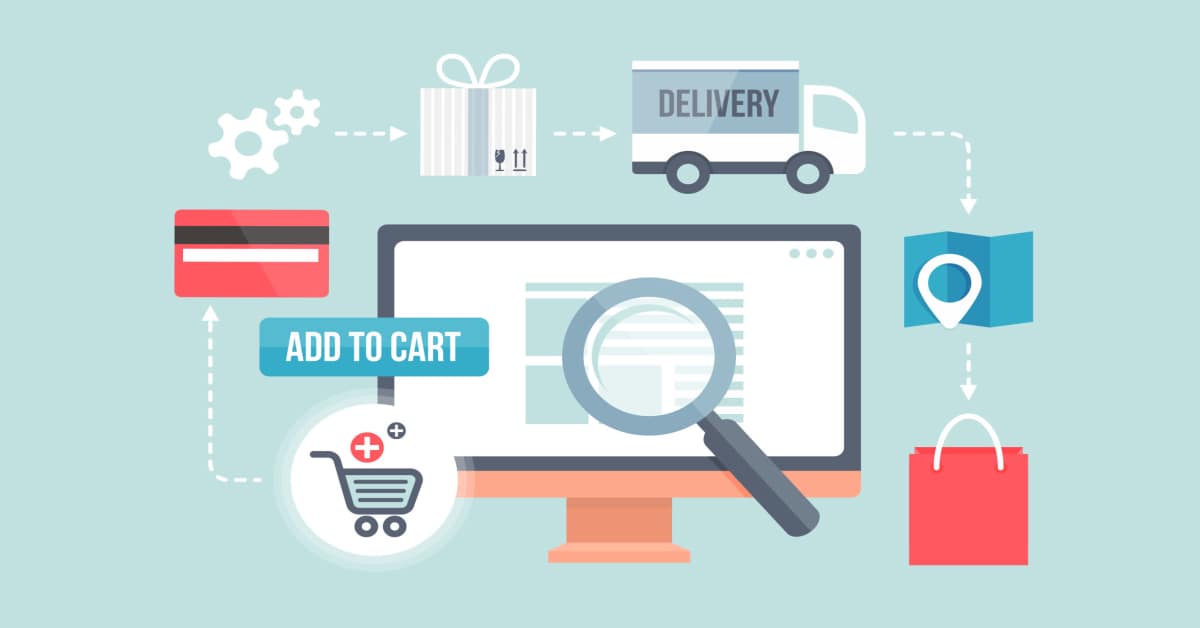
If you have your own products or services that you sell, you can use your blog as a platform to promote and sell them.
When it comes to promoting and selling your own products, there’s no better platform than your blog. By sharing your products and services with your readers, you can build trust and credibility, and ultimately, drive sales. There are a few things to keep in mind when using your blog to sell your own products.
First, be sure to provide value. Don’t just promote your products for the sake of promoting them. Instead, share your knowledge and expertise, and help your readers make informed decisions about your products.
Secondly, be transparent. If you’re selling products or services, be upfront about it. Don’t try to sneak it in under the radar. Be clear about what you’re selling and why you’re selling it.
Third, be personal. When you’re promoting your own products, it’s important to connect with your readers on a personal level. Share your story and let them know why you’re passionate about your products.
Fourth, be generous. When you’re selling your own products, it’s important to give your readers a reason to buy from you. Offer discounts, coupons, or free shipping if you are selling physical products, and let them know that you appreciate their business.
Finally, be creative. There are all sorts of products you can create and sell in your niche. Things like digital products or courses, arts and crafts (Etsy is booming right now), physical books using Print On Demand services etc. The only limit is your own imagination.

Another way to monetize a blog is through membership sites. You can create a membership site where members pay a monthly or annual fee to access exclusive content, tools, and resources.
The revenue you earn from a membership site will depend on the number of members you have and the monthly or annual fee you charge. But if you have a large enough audience and you charge a reasonable fee, you can easily earn a full-time income from your membership site.
Here are a few things to keep in mind if you’re thinking about starting a membership site:
Offer exclusive content, tools, and resources.
If you want people to pay for a membership, you need to offer them something they can’t get anywhere else. That could be exclusive content, access to tools and resources, or anything else that would be valuable to your target audience.
Charge a monthly or annual fee.
When you’re setting the price for your membership, you’ll need to decide whether to charge a monthly or annual fee. There are pros and cons to both options.
With a monthly fee, you’ll have a steadier stream of income, but you’ll need to continually recruit new members to keep the revenue coming in. An annual fee, on the other hand, will require less ongoing effort to maintain, but you’ll need to make sure you can attract enough members upfront to make it worthwhile.
Promote your membership site.
Once you’ve created your membership site, you need to let people know about it. You can promote your site through your blog, social media, email marketing, and other channels.
Keep your members happy.
If you want your membership site to be successful, you need to keep your members happy. That means providing them with quality content, responding to their questions and concerns, and continually adding new and valuable resources.
Make it easy to join and cancel.
You should make it easy for people to join and cancel your membership site. That way, people can join if they’re interested and cancel if they’re not.
If you are looking for a way to monetize your blog, a membership site is a great choice to consider.

Email marketing is a great way to monetize your blog. By building a list of subscribers who opt in to receive your emails, you can create a revenue stream from your blog that can supplement your other income sources.
There are a few different ways to go about email marketing, and the approach you take will depend on your goals and your audience. If you’re looking to build a list of subscribers who are interested in what you have to say, then you’ll want to focus on providing value in your emails. This could mean sharing exclusive content, offering discounts or coupons, or simply providing helpful tips and advice.
On the other hand, if you’re looking to use your email list as a way to sell products or services, then you’ll want to focus on building a relationship with your subscribers first.
This means providing value in your emails but also making sure that your emails are promotional in nature. You don’t want to spam your list, but you do want to make sure that your subscribers know that you have products or services to sell.
Sign up with a reputable ESP (Email Service Provider) such as Active Campaign, Aweber or GetResponse. Don’t scrimp on this because if you aren’t getting into the inbox of your subscribers, you are not going to have much success. Yes, these have a monthly cost, but this should be seen as an investment rather than a cost, and when done right, email marketing should make you far more than you are paying.
And, if you use tools like OptimizePress or Thrive Leads, you can create beautiful opt-in forms, sticky bars, scroll mats, pop-ups, and other list-building options to help you get more leads.
Email marketing can be a great way to monetize your blog, but it’s important to remember that it’s not a get-rich-quick scheme. It takes time to build a list of subscribers, and it takes even more time to build a relationship with those subscribers. But if you’re willing to put in the work, email marketing can be a great way to generate revenue from your blog.

There are many benefits to monetizing your blog. By doing so, you can earn extra income, which can be used to cover the costs of running your blog or to reinvest in your blog to help it grow. Additionally, monetizing your blog can help you build an audience and generate more traffic to your site.
There are a number of ways to monetize your blog, and which method you choose will depend on your goals and your audience. Advertising, sponsored posts, affiliate marketing, selling your own products, membership sites, and email marketing are all great options for monetizing your blog. Experiment with a few different methods to see what works best for you and your blog.
And if you really want to know more about the power of blogging for profit, you really must take a look at the Rapid Blogging Blueprint training course or if you just want a few pointers for now you can grab the featured resource below for a free blogging report; download, read it and take action

 Productivity8th DecemberBy Jason Daly
Working on being productive can be difficult enough, but when self-doubt starts to creep in, it can be even harder. Whether it’s doubting your ability to complete a task or second-guessing yourself, self-doubt can be a real roadblock to productivity.
And, if you’re like most people, you’ve probably experienced self-doubt at some point in your life. Maybe you doubt your ability to be successful or you doubt your decision-making skills. Whatever the case may be, self-doubt can be a real obstacle to productivity.
But there are some things you can do to work through it and get back on track.
Acknowledge Your Self DoubtKnow Where You Struggle And Learn To Control ItProve Yourself WrongDevelop A Productivity HabitMeasure Your ProgressConclusion

The first step to overcoming self-doubt is to recognize when it’s happening. Pay attention to the thoughts and beliefs that are causing you to doubt yourself.
We all have that little voice inside our heads that tells us we’re not good enough, that we can’t do it, that we’re not cut out for whatever it is we’re trying to do. That voice is our self-doubt, and it’s something we all have to deal with in one way or another.
For some of us, self-doubt is a constant battle that we’re always fighting. We doubt our abilities, our worth, and our chances of success. We second-guess our decisions and question our choices. We’re never quite sure if we’re doing the right thing or if we’re just fooling ourselves.
@import url(“//fonts.googleapis.com/css?family=Roboto:400,400i,900,900i,700,700i,300,300i,500&subset=latin”);@media (min-width:300px){[data-css=”tve-u-05f99a23eb9fdc”]{background-color:rgb(255,255,255) !important;padding:1px !important;}[data-css=”tve-u-25f99a23eb9fe2″]{border-radius:5px;overflow:hidden;border:2px solid rgb(250,235,150) !important;background-color:rgb(249,240,187) !important;}[data-css=”tve-u-95f99a23eb9fe9″]{border:none;float:right;z-index:3;position:relative;font-size:48px !important;margin:0px !important;width:48px !important;height:48px !important;–tcb-local-color-icon:rgb(254,166,42);–tcb-local-color-var:rgb(254,166,42);–tve-icon-size:48px;}:not(#tve) [data-css=”tve-u-95f99a23eb9fe9″] >:first-child{color:rgb(254,166,42);–tve-applied-color:rgb(254,166,42);}[data-css=”tve-u-15f99a23eb9fe0″]{padding:30px 20px !important;margin-top:0px !important;margin-bottom:0px !important;}:not(#tve) .thrv-content-box[data-css=”tve-u-15f99a23eb9fe0″]:hover [data-css=”tve-u-35f99a23eb9fe3″] p,:not(#tve) .thrv-content-box[data-css=”tve-u-15f99a23eb9fe0″]:hover [data-css=”tve-u-35f99a23eb9fe3″] li,:not(#tve) .thrv-content-box[data-css=”tve-u-15f99a23eb9fe0″]:hover [data-css=”tve-u-35f99a23eb9fe3″] blockquote,:not(#tve) .thrv-content-box[data-css=”tve-u-15f99a23eb9fe0″]:hover [data-css=”tve-u-35f99a23eb9fe3″] address,:not(#tve) .thrv-content-box[data-css=”tve-u-15f99a23eb9fe0″]:hover [data-css=”tve-u-35f99a23eb9fe3″] .tcb-plain-text,:not(#tve) .thrv-content-box[data-css=”tve-u-15f99a23eb9fe0″]:hover [data-css=”tve-u-35f99a23eb9fe3″] label,:not(#tve) .thrv-content-box[data-css=”tve-u-15f99a23eb9fe0″]:hover [data-css=”tve-u-35f99a23eb9fe3″] h1,:not(#tve) .thrv-content-box[data-css=”tve-u-15f99a23eb9fe0″]:hover [data-css=”tve-u-35f99a23eb9fe3″] h2,:not(#tve) .thrv-content-box[data-css=”tve-u-15f99a23eb9fe0″]:hover [data-css=”tve-u-35f99a23eb9fe3″] h3,:not(#tve) .thrv-content-box[data-css=”tve-u-15f99a23eb9fe0″]:hover [data-css=”tve-u-35f99a23eb9fe3″] h4,:not(#tve) .thrv-content-box[data-css=”tve-u-15f99a23eb9fe0″]:hover [data-css=”tve-u-35f99a23eb9fe3″] h5,:not(#tve) .thrv-content-box[data-css=”tve-u-15f99a23eb9fe0″]:hover [data-css=”tve-u-35f99a23eb9fe3″] h6{color:rgb(52,73,94) !important;}:not(#tve) [data-css=”tve-u-15f99a23eb9fe0″]:hover [data-css=”tve-u-25f99a23eb9fe2″]{background-image:none !important;background-color:rgb(249,240,187) !important;border:2px solid rgb(254,166,42) !important;–tve-applied-background-color:rgb(249,240,187) !important;}:not(#tve) [data-css=”tve-u-95f99a23eb9fe9″]:hover >:first-child{color:rgb(254,166,42) !important;–tve-applied-color:rgb(254,166,42) !important;}[data-css=”tve-u-135f99a23eb9ff2″]{max-width:671px;float:right;z-index:3;position:relative;width:100%;padding:0px !important;margin-top:-2px !important;}[data-css=”tve-u-125f99a23eb9ff1″]::after{clear:both;}:not(#tve) [data-css=”tve-u-15f99a23eb9fe0″]:hover [data-css=”tve-u-95f99a23eb9fe9″] >:first-child{color:rgb(254,166,42);}:not(#tve) [data-css=”tve-u-145f99a23eb9ff3″]{font-size:24px !important;}[data-css=”tve-u-145f99a23eb9ff3″]{line-height:1.1em !important;}:not(#tve) .thrv-content-box [data-css=”tve-u-35f99a23eb9fe3″] p,:not(#tve) .thrv-content-box [data-css=”tve-u-35f99a23eb9fe3″] li,:not(#tve) .thrv-content-box [data-css=”tve-u-35f99a23eb9fe3″] blockquote,:not(#tve) .thrv-content-box [data-css=”tve-u-35f99a23eb9fe3″] address,:not(#tve) .thrv-content-box [data-css=”tve-u-35f99a23eb9fe3″] .tcb-plain-text,:not(#tve) .thrv-content-box [data-css=”tve-u-35f99a23eb9fe3″] label,:not(#tve) .thrv-content-box [data-css=”tve-u-35f99a23eb9fe3″] h1,:not(#tve) .thrv-content-box [data-css=”tve-u-35f99a23eb9fe3″] h2,:not(#tve) .thrv-content-box [data-css=”tve-u-35f99a23eb9fe3″] h3,:not(#tve) .thrv-content-box [data-css=”tve-u-35f99a23eb9fe3″] h4,:not(#tve) .thrv-content-box [data-css=”tve-u-35f99a23eb9fe3″] h5,:not(#tve) .thrv-content-box [data-css=”tve-u-35f99a23eb9fe3″] h6{color:rgb(27,119,179);}[data-css=”tve-u-15f99a23eb9fe0″]:hover [data-css=”tve-u-25f99a23eb9fe2″]{border:1px solid rgb(254,166,42) !important;}[data-css=”tve-u-15f99a23eb9fe0″]:hover [data-css=”tve-u-35f99a23eb9fe3″] p,[data-css=”tve-u-15f99a23eb9fe0″]:hover [data-css=”tve-u-35f99a23eb9fe3″] li,[data-css=”tve-u-15f99a23eb9fe0″]:hover [data-css=”tve-u-35f99a23eb9fe3″] blockquote,[data-css=”tve-u-15f99a23eb9fe0″]:hover [data-css=”tve-u-35f99a23eb9fe3″] address,[data-css=”tve-u-15f99a23eb9fe0″]:hover [data-css=”tve-u-35f99a23eb9fe3″] .tcb-plain-text,[data-css=”tve-u-15f99a23eb9fe0″]:hover [data-css=”tve-u-35f99a23eb9fe3″] label,[data-css=”tve-u-15f99a23eb9fe0″]:hover [data-css=”tve-u-35f99a23eb9fe3″] h1,[data-css=”tve-u-15f99a23eb9fe0″]:hover [data-css=”tve-u-35f99a23eb9fe3″] h2,[data-css=”tve-u-15f99a23eb9fe0″]:hover [data-css=”tve-u-35f99a23eb9fe3″] h3,[data-css=”tve-u-15f99a23eb9fe0″]:hover [data-css=”tve-u-35f99a23eb9fe3″] h4,[data-css=”tve-u-15f99a23eb9fe0″]:hover [data-css=”tve-u-35f99a23eb9fe3″] h5,[data-css=”tve-u-15f99a23eb9fe0″]:hover [data-css=”tve-u-35f99a23eb9fe3″] h6{text-decoration:underline !important;}:not(#tve) [data-css=”tve-u-175f99a23eb9ff6″]{font-size:18px !important;font-family:Roboto !important;font-weight:400 !important;color:rgb(52,73,94) !important;}[data-css=”tve-u-175f99a23eb9ff6″] strong{font-weight:700 !important;}:not(#tve) [data-css=”tve-u-165f99a23eb9ff5″]{font-size:19px !important;font-family:Roboto !important;font-weight:400 !important;}[data-css=”tve-u-165f99a23eb9ff5″] strong{font-weight:900 !important;}[data-css=”tve-u-65f99a23eb9fe6″]{max-width:12.4%;}[data-css=”tve-u-105f99a23eb9feb”]{max-width:87.6%;}[data-css=”tve-u-55f99a23eb9fe5″]{padding-top:0px !important;padding-bottom:0px !important;}[data-css=”tve-u-45f99a23eb9fe4″]{margin-bottom:0px !important;margin-top:0px !important;margin-left:-18px !important;}[data-css=”tve-u-85f99a23eb9fe8″]::after{clear:both;}[data-css=”tve-u-75f99a23eb9fe7″]{margin-left:0px !important;}:not(#tve) [data-css=”tve-u-95f99a23eb9fe9″]:hover{–tcb-local-color-icon:rgb(254,166,42) !important;–tcb-local-color-var:rgb(254,166,42) !important;}}@media (max-width:767px){[data-css=”tve-u-95f99a23eb9fe9″]{float:left;z-index:3;position:relative;padding-top:0px !important;margin-top:44px !important;}[data-css=”tve-u-85f99a23eb9fe8″]::after{clear:both;}[data-css=”tve-u-55f99a23eb9fe5″]{flex-wrap:nowrap !important;}[data-css=”tve-u-135f99a23eb9ff2″]{max-width:700px;float:none;position:relative;width:100%;z-index:4 !important;margin-top:-4px !important;margin-right:auto !important;padding-right:0px !important;padding-left:0px !important;margin-left:auto !important;}[data-css=”tve-u-125f99a23eb9ff1″]::after{clear:both;}[data-css=”tve-u-115f99a23eb9fef”]{–tve-font-size:1px;padding-left:7px !important;margin-left:4px !important;padding-right:0px !important;margin-right:-21px !important;}:not(#tve) [data-css=”tve-u-145f99a23eb9ff3″]{font-size:16px !important;padding-bottom:0px !important;margin-bottom:0px !important;line-height:1.65em !important;}[data-css=”tve-u-15f99a23eb9fe0″]{max-width:642px;padding-top:15px !important;padding-bottom:8px !important;}[data-css=”tve-u-35f99a23eb9fe3″]{min-height:1px;–tve-font-size:1px;–tve-line-height:8em;}:not(#tve) .thrv-content-box [data-css=”tve-u-35f99a23eb9fe3″] p,:not(#tve) .thrv-content-box [data-css=”tve-u-35f99a23eb9fe3″] li,:not(#tve) .thrv-content-box [data-css=”tve-u-35f99a23eb9fe3″] blockquote,:not(#tve) .thrv-content-box [data-css=”tve-u-35f99a23eb9fe3″] address,:not(#tve) .thrv-content-box [data-css=”tve-u-35f99a23eb9fe3″] .tcb-plain-text,:not(#tve) .thrv-content-box [data-css=”tve-u-35f99a23eb9fe3″] label{font-size:var(–tve-font-size,1px);line-height:var(–tve-line-height,8em);}:not(#tve) [data-css=”tve-u-175f99a23eb9ff6″]{font-weight:var(–g-regular-weight,normal)!important;–eff-color:rgb(52,73,94)!important;–eff-faded:rgba(52,73,94,0.6)!important;–eff-ensure-contrast:rgba(52,73,94,0.6)!important;–eff-ensure-contrast-complement:rgba(73,52,94,0.6)!important;box-shadow:none !important;border-bottom:none !important;background:none !important;text-decoration:none !important;animation:0s ease 0s 1 normal none running none !important;transition:none 0s ease 0s !important;padding-left:0px !important;–eff:none!important;–tve-applied-box-shadow:none!important;font-size:20px !important;font-family:Roboto !important;}:not(#tve) [data-css=”tve-u-175f99a23eb9ff6″]:hover{text-decoration:none !important;background:none !important;box-shadow:none !important;–tve-applied-box-shadow:none!important;}:not(#tve) [data-css=”tve-u-115f99a23eb9fef”] p,:not(#tve) [data-css=”tve-u-115f99a23eb9fef”] li,:not(#tve) [data-css=”tve-u-115f99a23eb9fef”] blockquote,:not(#tve) [data-css=”tve-u-115f99a23eb9fef”] address,:not(#tve) [data-css=”tve-u-115f99a23eb9fef”] .tcb-plain-text,:not(#tve) [data-css=”tve-u-115f99a23eb9fef”] label{font-size:var(–tve-font-size,1px);}:not(#tve) [data-css=”tve-u-165f99a23eb9ff5″]{font-size:20px !important;font-family:Roboto !important;}[data-css=”tve-u-35f99a23eb9fe3″] h1{padding:0px !important;margin:0px !important;}}
Self-doubt can be paralyzing. It can keep us from taking risks, putting ourselves out there, and going after our dreams. It can make us feel like we’re not good enough, like we don’t deserve to be happy or successful.
But here’s the thing: we are good enough. We are worthy. We are deserving.
Self-doubt is just a voice in our head. It’s not who we are.
We all have moments of self-doubt, but it’s important to remember that it’s just a voice in our head. We are so much more than our self-doubt. We are strong, capable, and beautiful.
We are worthy of happiness and success.
So the next time you find yourself doubting yourself, remember that you are so much more than your self-doubt. Acknowledge it, and then let it go.

One of the best ways to overcome self-doubt is to focus on what you can control. When you focus on the things you can’t control, it’s easy to get caught up in self-doubt. But when you focus on what you can control, you’ll be more likely to take action and be productive.
Self-doubt can be a normal part of life. It’s only when it starts to interfere with your ability to function and enjoy life that it becomes a problem. If you find yourself doubting your abilities or questioning your decisions more often than not, it’s important to learn how to control it.
There are a few things you can do to control your self-doubt. First, it’s important to identify when and where you struggle with it. Do you tend to doubt yourself more when you’re under pressure or when you’re facing a new challenge? Once you know when and where you struggle with self doubt, you can start to work on addressing it.
One way to address self-doubt is to reframe your thinking. Instead of thinking “I can’t do this,” try thinking “I can do this.” When you catch yourself doubting your abilities, remind yourself of times when you’ve succeeded in the past. This will help you to feel more confident in your abilities.
@import url(“//fonts.googleapis.com/css?family=Roboto:400,400i,900,900i,700,700i,300,300i,500&subset=latin”);@media (min-width:300px){[data-css=”tve-u-05f99a23eb9fdc”]{background-color:rgb(255,255,255) !important;padding:1px !important;}[data-css=”tve-u-25f99a23eb9fe2″]{border-radius:5px;overflow:hidden;border:2px solid rgb(250,235,150) !important;background-color:rgb(249,240,187) !important;}[data-css=”tve-u-95f99a23eb9fe9″]{border:none;float:right;z-index:3;position:relative;font-size:48px !important;margin:0px !important;width:48px !important;height:48px !important;–tcb-local-color-icon:rgb(254,166,42);–tcb-local-color-var:rgb(254,166,42);–tve-icon-size:48px;}:not(#tve) [data-css=”tve-u-95f99a23eb9fe9″] >:first-child{color:rgb(254,166,42);–tve-applied-color:rgb(254,166,42);}[data-css=”tve-u-15f99a23eb9fe0″]{padding:30px 20px !important;margin-top:0px !important;margin-bottom:0px !important;}:not(#tve) .thrv-content-box[data-css=”tve-u-15f99a23eb9fe0″]:hover [data-css=”tve-u-35f99a23eb9fe3″] p,:not(#tve) .thrv-content-box[data-css=”tve-u-15f99a23eb9fe0″]:hover [data-css=”tve-u-35f99a23eb9fe3″] li,:not(#tve) .thrv-content-box[data-css=”tve-u-15f99a23eb9fe0″]:hover [data-css=”tve-u-35f99a23eb9fe3″] blockquote,:not(#tve) .thrv-content-box[data-css=”tve-u-15f99a23eb9fe0″]:hover [data-css=”tve-u-35f99a23eb9fe3″] address,:not(#tve) .thrv-content-box[data-css=”tve-u-15f99a23eb9fe0″]:hover [data-css=”tve-u-35f99a23eb9fe3″] .tcb-plain-text,:not(#tve) .thrv-content-box[data-css=”tve-u-15f99a23eb9fe0″]:hover [data-css=”tve-u-35f99a23eb9fe3″] label,:not(#tve) .thrv-content-box[data-css=”tve-u-15f99a23eb9fe0″]:hover [data-css=”tve-u-35f99a23eb9fe3″] h1,:not(#tve) .thrv-content-box[data-css=”tve-u-15f99a23eb9fe0″]:hover [data-css=”tve-u-35f99a23eb9fe3″] h2,:not(#tve) .thrv-content-box[data-css=”tve-u-15f99a23eb9fe0″]:hover [data-css=”tve-u-35f99a23eb9fe3″] h3,:not(#tve) .thrv-content-box[data-css=”tve-u-15f99a23eb9fe0″]:hover [data-css=”tve-u-35f99a23eb9fe3″] h4,:not(#tve) .thrv-content-box[data-css=”tve-u-15f99a23eb9fe0″]:hover [data-css=”tve-u-35f99a23eb9fe3″] h5,:not(#tve) .thrv-content-box[data-css=”tve-u-15f99a23eb9fe0″]:hover [data-css=”tve-u-35f99a23eb9fe3″] h6{color:rgb(52,73,94) !important;}:not(#tve) [data-css=”tve-u-15f99a23eb9fe0″]:hover [data-css=”tve-u-25f99a23eb9fe2″]{background-image:none !important;background-color:rgb(249,240,187) !important;border:2px solid rgb(254,166,42) !important;–tve-applied-background-color:rgb(249,240,187) !important;}:not(#tve) [data-css=”tve-u-95f99a23eb9fe9″]:hover >:first-child{color:rgb(254,166,42) !important;–tve-applied-color:rgb(254,166,42) !important;}[data-css=”tve-u-135f99a23eb9ff2″]{max-width:671px;float:right;z-index:3;position:relative;width:100%;padding:0px !important;margin-top:-2px !important;}[data-css=”tve-u-125f99a23eb9ff1″]::after{clear:both;}:not(#tve) [data-css=”tve-u-15f99a23eb9fe0″]:hover [data-css=”tve-u-95f99a23eb9fe9″] >:first-child{color:rgb(254,166,42);}:not(#tve) [data-css=”tve-u-145f99a23eb9ff3″]{font-size:24px !important;}[data-css=”tve-u-145f99a23eb9ff3″]{line-height:1.1em !important;}:not(#tve) .thrv-content-box [data-css=”tve-u-35f99a23eb9fe3″] p,:not(#tve) .thrv-content-box [data-css=”tve-u-35f99a23eb9fe3″] li,:not(#tve) .thrv-content-box [data-css=”tve-u-35f99a23eb9fe3″] blockquote,:not(#tve) .thrv-content-box [data-css=”tve-u-35f99a23eb9fe3″] address,:not(#tve) .thrv-content-box [data-css=”tve-u-35f99a23eb9fe3″] .tcb-plain-text,:not(#tve) .thrv-content-box [data-css=”tve-u-35f99a23eb9fe3″] label,:not(#tve) .thrv-content-box [data-css=”tve-u-35f99a23eb9fe3″] h1,:not(#tve) .thrv-content-box [data-css=”tve-u-35f99a23eb9fe3″] h2,:not(#tve) .thrv-content-box [data-css=”tve-u-35f99a23eb9fe3″] h3,:not(#tve) .thrv-content-box [data-css=”tve-u-35f99a23eb9fe3″] h4,:not(#tve) .thrv-content-box [data-css=”tve-u-35f99a23eb9fe3″] h5,:not(#tve) .thrv-content-box [data-css=”tve-u-35f99a23eb9fe3″] h6{color:rgb(27,119,179);}[data-css=”tve-u-15f99a23eb9fe0″]:hover [data-css=”tve-u-25f99a23eb9fe2″]{border:1px solid rgb(254,166,42) !important;}[data-css=”tve-u-15f99a23eb9fe0″]:hover [data-css=”tve-u-35f99a23eb9fe3″] p,[data-css=”tve-u-15f99a23eb9fe0″]:hover [data-css=”tve-u-35f99a23eb9fe3″] li,[data-css=”tve-u-15f99a23eb9fe0″]:hover [data-css=”tve-u-35f99a23eb9fe3″] blockquote,[data-css=”tve-u-15f99a23eb9fe0″]:hover [data-css=”tve-u-35f99a23eb9fe3″] address,[data-css=”tve-u-15f99a23eb9fe0″]:hover [data-css=”tve-u-35f99a23eb9fe3″] .tcb-plain-text,[data-css=”tve-u-15f99a23eb9fe0″]:hover [data-css=”tve-u-35f99a23eb9fe3″] label,[data-css=”tve-u-15f99a23eb9fe0″]:hover [data-css=”tve-u-35f99a23eb9fe3″] h1,[data-css=”tve-u-15f99a23eb9fe0″]:hover [data-css=”tve-u-35f99a23eb9fe3″] h2,[data-css=”tve-u-15f99a23eb9fe0″]:hover [data-css=”tve-u-35f99a23eb9fe3″] h3,[data-css=”tve-u-15f99a23eb9fe0″]:hover [data-css=”tve-u-35f99a23eb9fe3″] h4,[data-css=”tve-u-15f99a23eb9fe0″]:hover [data-css=”tve-u-35f99a23eb9fe3″] h5,[data-css=”tve-u-15f99a23eb9fe0″]:hover [data-css=”tve-u-35f99a23eb9fe3″] h6{text-decoration:underline !important;}:not(#tve) [data-css=”tve-u-175f99a23eb9ff6″]{font-size:18px !important;font-family:Roboto !important;font-weight:400 !important;color:rgb(52,73,94) !important;}[data-css=”tve-u-175f99a23eb9ff6″] strong{font-weight:700 !important;}:not(#tve) [data-css=”tve-u-165f99a23eb9ff5″]{font-size:19px !important;font-family:Roboto !important;font-weight:400 !important;}[data-css=”tve-u-165f99a23eb9ff5″] strong{font-weight:900 !important;}[data-css=”tve-u-65f99a23eb9fe6″]{max-width:12.4%;}[data-css=”tve-u-105f99a23eb9feb”]{max-width:87.6%;}[data-css=”tve-u-55f99a23eb9fe5″]{padding-top:0px !important;padding-bottom:0px !important;}[data-css=”tve-u-45f99a23eb9fe4″]{margin-bottom:0px !important;margin-top:0px !important;margin-left:-18px !important;}[data-css=”tve-u-85f99a23eb9fe8″]::after{clear:both;}[data-css=”tve-u-75f99a23eb9fe7″]{margin-left:0px !important;}:not(#tve) [data-css=”tve-u-95f99a23eb9fe9″]:hover{–tcb-local-color-icon:rgb(254,166,42) !important;–tcb-local-color-var:rgb(254,166,42) !important;}}@media (max-width:767px){[data-css=”tve-u-95f99a23eb9fe9″]{float:left;z-index:3;position:relative;padding-top:0px !important;margin-top:44px !important;}[data-css=”tve-u-85f99a23eb9fe8″]::after{clear:both;}[data-css=”tve-u-55f99a23eb9fe5″]{flex-wrap:nowrap !important;}[data-css=”tve-u-135f99a23eb9ff2″]{max-width:700px;float:none;position:relative;width:100%;z-index:4 !important;margin-top:-4px !important;margin-right:auto !important;padding-right:0px !important;padding-left:0px !important;margin-left:auto !important;}[data-css=”tve-u-125f99a23eb9ff1″]::after{clear:both;}[data-css=”tve-u-115f99a23eb9fef”]{–tve-font-size:1px;padding-left:7px !important;margin-left:4px !important;padding-right:0px !important;margin-right:-21px !important;}:not(#tve) [data-css=”tve-u-145f99a23eb9ff3″]{font-size:16px !important;padding-bottom:0px !important;margin-bottom:0px !important;line-height:1.65em !important;}[data-css=”tve-u-15f99a23eb9fe0″]{max-width:642px;padding-top:15px !important;padding-bottom:8px !important;}[data-css=”tve-u-35f99a23eb9fe3″]{min-height:1px;–tve-font-size:1px;–tve-line-height:8em;}:not(#tve) .thrv-content-box [data-css=”tve-u-35f99a23eb9fe3″] p,:not(#tve) .thrv-content-box [data-css=”tve-u-35f99a23eb9fe3″] li,:not(#tve) .thrv-content-box [data-css=”tve-u-35f99a23eb9fe3″] blockquote,:not(#tve) .thrv-content-box [data-css=”tve-u-35f99a23eb9fe3″] address,:not(#tve) .thrv-content-box [data-css=”tve-u-35f99a23eb9fe3″] .tcb-plain-text,:not(#tve) .thrv-content-box [data-css=”tve-u-35f99a23eb9fe3″] label{font-size:var(–tve-font-size,1px);line-height:var(–tve-line-height,8em);}:not(#tve) [data-css=”tve-u-175f99a23eb9ff6″]{font-weight:var(–g-regular-weight,normal)!important;–eff-color:rgb(52,73,94)!important;–eff-faded:rgba(52,73,94,0.6)!important;–eff-ensure-contrast:rgba(52,73,94,0.6)!important;–eff-ensure-contrast-complement:rgba(73,52,94,0.6)!important;box-shadow:none !important;border-bottom:none !important;background:none !important;text-decoration:none !important;animation:0s ease 0s 1 normal none running none !important;transition:none 0s ease 0s !important;padding-left:0px !important;–eff:none!important;–tve-applied-box-shadow:none!important;font-size:20px !important;font-family:Roboto !important;}:not(#tve) [data-css=”tve-u-175f99a23eb9ff6″]:hover{text-decoration:none !important;background:none !important;box-shadow:none !important;–tve-applied-box-shadow:none!important;}:not(#tve) [data-css=”tve-u-115f99a23eb9fef”] p,:not(#tve) [data-css=”tve-u-115f99a23eb9fef”] li,:not(#tve) [data-css=”tve-u-115f99a23eb9fef”] blockquote,:not(#tve) [data-css=”tve-u-115f99a23eb9fef”] address,:not(#tve) [data-css=”tve-u-115f99a23eb9fef”] .tcb-plain-text,:not(#tve) [data-css=”tve-u-115f99a23eb9fef”] label{font-size:var(–tve-font-size,1px);}:not(#tve) [data-css=”tve-u-165f99a23eb9ff5″]{font-size:20px !important;font-family:Roboto !important;}[data-css=”tve-u-35f99a23eb9fe3″] h1{padding:0px !important;margin:0px !important;}}
Another way to control self doubt is to practice self-compassion. Cut yourself some slack and be kind to yourself when you make mistakes. We all make mistakes, and it’s important to remember that nobody is perfect. Beating yourself up will only make you feel worse and will make it more difficult to overcome self-doubt.
Finally, it’s important to take action. When you’re feeling doubtful, don’t just sit around and wait for things to change. Get up and do something. Make a plan and take action towards your goals. This will help you to feel more in control and will give you a sense of accomplishment.
If you struggle with self-doubt, remember that you’re not alone. Many people struggle with it at some point in their lives. The important thing is to learn how to control it. By identifying when and where you struggle with self-doubt, reframing your thinking, practicing self-compassion, and taking action, you can learn to control it and live a happier, more confident life.

Once you’ve identified your self-doubt, it’s time to challenge it. Ask yourself why you believe the things that are causing you to doubt yourself. Are they really true? Are they helpful?
Here’s the thing: self-doubt is usually based on irrational thoughts. We tell ourselves things like, “I can’t do this” or “I’m not good enough” without any real evidence to back it up. But when we take the time to examine our self-doubt, we can often see that it’s not based on reality.
So, the next time you find yourself doubting yourself, take a step back and ask yourself: is this really true? Is this helpful?
Chances are, you’ll find that your self-doubt is unfounded. And once you realize that, you can start to let it go. You can start to move forward with confidence.
Self-doubt is very negative, so you really need to develop a positive mindset to help overcome this, and to stop listening to your internal ‘negative advice’ and once you do this, your productivity will skyrocket.
So, don’t be afraid to challenge your self-doubt. It might be uncomfortable, but it’s necessary if you want to reach your full potential. Prove yourself wrong and watch your life change for the better.

The best way to overcome self-doubt is to take action. When you take action, you’ll start to see results, which will help to boost your confidence. So don’t let self-doubt hold you back from taking action and achieving your goals.
So, what exactly is a productivity habit? Well, it is the daily routine that ensures that you are as productive as possible every day.
And, one of the best ways to destroy self-doubt and boost your productivity is to get into the habit of setting priorities. When you know what your priorities are, you’re more likely to focus on them and get them done.
Another helpful productivity habit is to break down your goals into smaller, more manageable pieces. When you have a big goal, it can be overwhelming. But, if you break it down into smaller goals, you’ll find it much easier to focus on each individual task and get it done.
Finally, one of the most important productivity habits is to make sure you’re taking care of yourself. When you’re well-rested and have plenty of energy, you’re much more likely to be productive. So, make sure you’re getting enough sleep and eating healthy foods.
If you’re looking to boost your productivity, these habits can make a big difference. Start incorporating them into your daily routine and you’ll soon see a difference in your results.

No matter what business you’re in, it’s important to measure your progress and productivity. Whether you’re a solopreneur or working for a large company, you need to know how much progress you’re making and how productive you are.
There are a few different ways to measure your productivity progress. One way is to keep track of your to-do list. Every day, write down what you need to do and check off each task as you complete it. At the end of the week, you can see how many tasks you’ve completed and how much progress you’ve made.
Another way to measure your productivity is to keep track of your time. Use a timer or stopwatch to track how long it takes you to complete each task. At the end of the week, you can see how much time you’ve spent on each task and how productive you’ve been.
You can also use productivity software to track your progress. There are a number of different productivity tools available, such as RescueTime and Toggl. These tools can help you see how much time you’re spending on each task, how productive you are, and where you can improve.
Whatever method you use to measure your productivity, the important thing is to track your progress and identify areas where you can improve. By doing this, you can make sure you’re always moving forward and reaching your goals.
The first step to overcoming self-doubt is to recognize when it’s happening. Pay attention to the thoughts and beliefs that are causing you to doubt yourself. Once you’re aware of the self-doubt, you can start to work on overcoming it.
One of the best ways to overcome self-doubt is to focus on what you can control. When you focus on the things you can control, you’ll start to feel more capable and confident.
Start by taking small steps and build up to bigger tasks. As you start to accomplish more, your self-doubt will start to dissipate.
If you find yourself struggling with self-doubt, remember that you’re not alone. Everyone deals with self-doubt at some point in their lives. The important thing is to not let it hold you back from being productive and achieving your goals.
If you want to know more about being productive, then check out the Featured Resource below for a free report; download, read it and take action 🙂

 Content Marketing9th OctoberBy Jason Daly
If you’re looking for ways to make your blog more engaging and informative, content curation is a great option.
But what is content curation, and how can you use it on your blog?
Here’s a quick guide to help you get started.
Headline 1Headline 2Headline 3

Content curation is the process of sorting through and sharing online content that is relevant to your audience.
When done well, content curation can help you become a trusted source of information and make your blog more engaging.
Content curation can be used to build a resource of information on a particular topic, to create a news feed of relevant content, or simply to surface the best content on a given subject.

There are several reasons to curate content. One reason is to provide your audience with a one-stop shop for information on a particular topic. This saves your audience time by not having to search for information from multiple sources.
Another reason to curate content is to establish yourself as an expert on a particular topic. By curating the best content from around the web, you are showing your audience that you are knowledgeable about the subject matter.
You can also add your own commentary and analysis to the content you share; after all people are visiting your blog or website to hear from you and your views.
Content curation helps you to save time by sharing content that’s already been created, rather than creating everything yourself.
Lastly, curating content can help to build relationships with other bloggers and website owners. When you share their content, they are likely to return the favor.
This can help to grow your audience and expand your reach. Always give attribution to anything you share or comment on, and if you can, let the original source know that you have cited them.
TIP:
Try finding a product or service you like and see whether they offer an affiliate program. If not, why not reach out to them and ask whether they would be willing for you to promote their products and for you to get a commission?
If you are serious and want to take your blogging to the next level, check out the Rapid Blogging Blueprint. This is a premium level training that takes you through each and every step of setting up your own highly profitable blog and profiting from it.
Get Instant AccessLearn More Now
The Rapid Blogging Blueprint training combines manuals, checklists and over the shoulder video training to get your blog up and running, and into profit…quickly.

Once you’ve curated content, you can share it on social media, your blog, or in an email campaign.
When you share your curated content on social media, be sure to include a link back to the original source. This will give credit to the original author and help you build relationships with other thought leaders in your industry.
If you have a blog, you can share your curated content there. Be sure to include a link back to the original source and give credit to the original author.
If you have an email list, you can share your curated content in your newsletter or in a dedicated email campaign. Be sure to include a link back to the original source and give credit to the original author.
SEO is a great way to get your content in front of more people.
By optimizing your content for the search engines, you can increase your chances of people finding it when they search for relevant keywords.
“Achievers – whether in business, sports, or the arts — are committed to continual improvement.”
– Jack Canfield
Content curation is a great way to find and share high-quality content with your audience. If you curate content regularly, you can build a strong reputation as a source of great content.
And, if you promote your curated content properly, you can get more exposure for the content creators you’re featuring.
What are your thoughts on content curation? Do you curate content on your blog or website? If not, why not?
If you really want to know more about the power of content marketing and blogging, you can take a look at the Rapid Blogging Blueprint training course or if you just want a few pointers for now you can grab the featured resource below for a free blogging report; download, read it and take action
