

Get Your Free Blogging Fundamentals Report...
Just enter your details in the form below and we'll send you the free bonus resource that goes with this article.
Just enter your name and email below to get instant access!

 Content Marketing9th October 2023By Jason Daly
If you’re looking for ways to make your blog more engaging and informative, content curation is a great option.
But what is content curation, and how can you use it on your blog?
Here’s a quick guide to help you get started.

Content curation is the process of sorting through and sharing online content that is relevant to your audience.
When done well, content curation can help you become a trusted source of information and make your blog more engaging.
Content curation can be used to build a resource of information on a particular topic, to create a news feed of relevant content, or simply to surface the best content on a given subject.

There are several reasons to curate content. One reason is to provide your audience with a one-stop shop for information on a particular topic. This saves your audience time by not having to search for information from multiple sources.
Another reason to curate content is to establish yourself as an expert on a particular topic. By curating the best content from around the web, you are showing your audience that you are knowledgeable about the subject matter.
You can also add your own commentary and analysis to the content you share; after all people are visiting your blog or website to hear from you and your views.
Content curation helps you to save time by sharing content that’s already been created, rather than creating everything yourself.
Lastly, curating content can help to build relationships with other bloggers and website owners. When you share their content, they are likely to return the favor.
This can help to grow your audience and expand your reach. Always give attribution to anything you share or comment on, and if you can, let the original source know that you have cited them.

If you are serious and want to take your blogging to the next level, check out the Rapid Blogging Blueprint. This is a premium level training that takes you through each and every step of setting up your own highly profitable blog and profiting from it.
Get Instant AccessLearn More Now
The Rapid Blogging Blueprint training combines manuals, checklists and over the shoulder video training to get your blog up and running, and into profit…quickly.
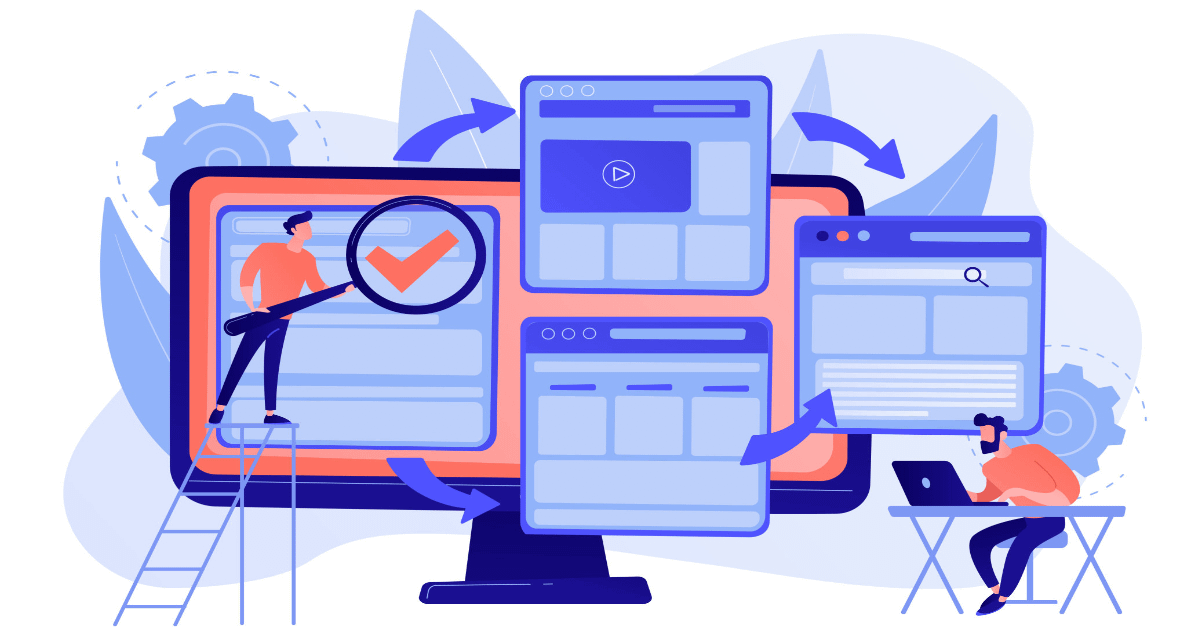
Now that you know why you might want to curate content, let’s take a look at how to do it.
When curating content for your blog, it is important to consider your audience and what type of content they would be interested in. It is also important to ensure that the content you are curating is high quality and adds value to your readers.
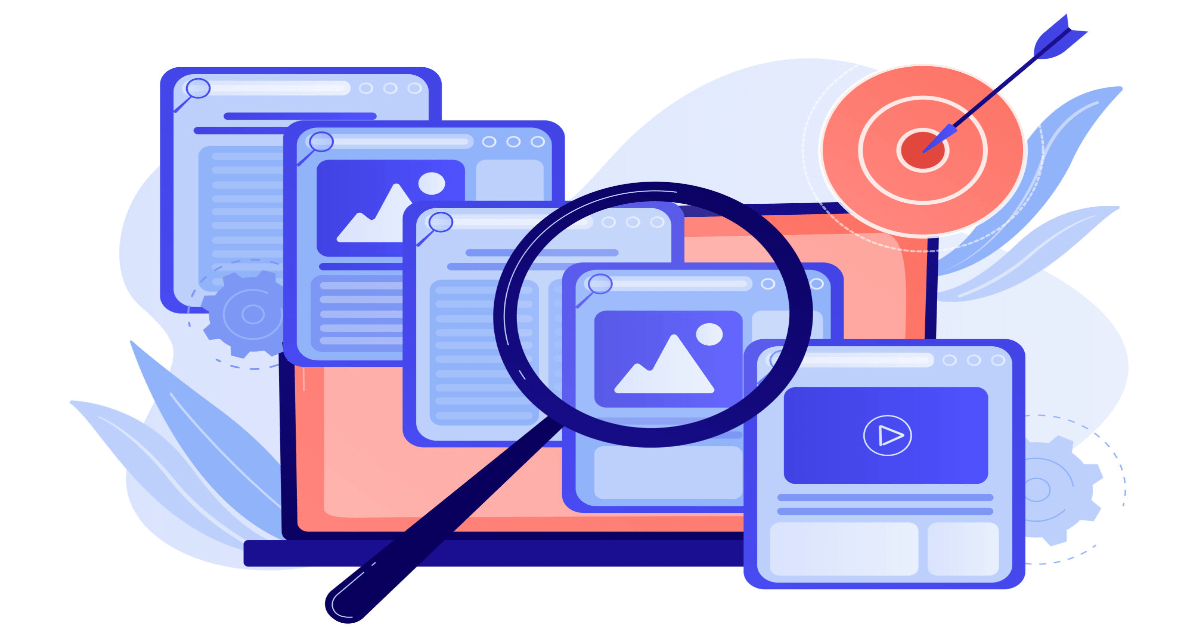
The first step is to find content that is relevant to your audience.
You can do this by using Google Alerts, subscribing to relevant RSS feeds, or following relevant hashtags on social media.

Once you’ve found some content, it’s time to sort and select the best pieces to share on your blog.
When you’re making your selections, keep your audience in mind and try to share a mix of content types (e.g., articles, videos, infographics).

When you come across something you think is particularly interesting, thoughtful, or provocative, share it with your audience along with your own commentary.
This is a great way to add your own voice to the larger discussion and start a meaningful dialogue with your followers. This is also where you can really add value for your readers by sharing your insights and analysis.
For example, if you come across an article about the latest industry news, share it with your followers along with your own thoughts and observations. If you see a funny meme that you think will make your followers laugh, share it with them and add your own caption.
The possibilities are endless, so get creative and have fun with it!

Once you’ve curated content, you can share it on social media, your blog, or in an email campaign.
When you share your curated content on social media, be sure to include a link back to the original source. This will give credit to the original author and help you build relationships with other thought leaders in your industry.
If you have a blog, you can share your curated content there. Be sure to include a link back to the original source and give credit to the original author.
If you have an email list, you can share your curated content in your newsletter or in a dedicated email campaign. Be sure to include a link back to the original source and give credit to the original author.

Once you’ve shared your content, don’t forget to promote it! Make sure your social media followers and email subscribers know about your latest post and consider using paid advertising to reach a wider audience.
Content curation can be a great way to add value for your readers and make your blog more engaging. By following the steps above, you can get started with content curation and start reaping the benefits.
The best way to get more eyeballs on your content is to start promoting it more. But how do you go about promoting your content? By using a little bit of creativity and elbow grease, you can get your content in front of more people than you ever thought possible.
Here are some ideas to get you started:
SEO is a great way to get your content in front of more people.
By optimizing your content for the search engines, you can increase your chances of people finding it when they search for relevant keywords.
Content syndication is a great way to get your content in front of more people.
There are a number of sites that allow you to syndicate your content, such as HubPages and eHow.
Social bookmarking is a great way to get your content in front of more people.
Sites like Digg and Reddit allow you to submit your content for others to bookmark.
Forums are a great way to get your content in front of more people.
Look for forums that are relevant to your niche and post links to your content. Be sure to add value to the discussion and don’t spam the forums.
Guest blogging is a great way to get your content in front of more people.
Find blogs in your niche that accept guest posts and submit your content. Be sure to write quality content that will add value to the blog.
Paid advertising is a great way to get your content in front of more people.
You can use Google AdWords to run ads for your content. Facebook and Twitter also offer paid advertising options.
By using these ideas, you can get your content in front of more people than you ever thought possible. So, what are you waiting for? Start promoting your content today!

Content curation is a great way to find and share high-quality content with your audience. If you curate content regularly, you can build a strong reputation as a source of great content.
And, if you promote your curated content properly, you can get more exposure for the content creators you’re featuring.
What are your thoughts on content curation? Do you curate content on your blog or website? If not, why not?
If you really want to know more about the power of content marketing and blogging, you can take a look at the Rapid Blogging Blueprint training course or if you just want a few pointers for now you can grab the featured resource below for a free blogging report; download, read it and take action

Share
Tweet
Pin
Mindset6th October 2023By Jason Daly
It’s one thing to hear negative talk about yourself from your enemies, but quite another to come to the realization that you’re your own worst enemy because of what you do to undermine your self-confidence and sabotage your efforts.
You may have experienced so much self-loathing that you come to believe what you’re saying. That’s a dangerous place to be because you’ll be frustrated, indecisive and unmotivated to follow a path that will lead you to success.
Imagine talking to a good friend or child with the same negative and hateful words that you use to talk to yourself. If you love that friend or child, you’d never think of using those tactics.
So, why do you berate yourself? The answer is that the demoralizing voice inside your mind has its own game plan – and that is to make you doubt yourself so much that you fail miserably.
You certainly wouldn’t want a friend to fail because of what you said. When you begin to acknowledge and understand the power that the thinking process has over you, it’s time to do something about it.
To overcome your own self, you have to be able to discern which inner words are unrealistic and begin to discard them from your vocabulary. During the self-analysis process, ask yourself if you appreciate the small things in your life.
It’s great to have grandiose goals and dreams such as a new house, car and plenty of money in the bank, but have you thought about the pleasure of a cool breeze on a hot summer day or the way the rain makes the world seem clean again?
Those are the small things in our lives which must also be appreciated for what they are and what they add to your life. When you learn to appreciate the smaller things in life, the satisfaction and pleasure you feel can make the negative thoughts easier to see for what they are.
When you’re focused on the important things in life, such as your health and all of the blessings that have come your way, it’s more difficult for negatives to take root in your mind.
Selling yourself short by practicing negative self talk can damage and perhaps annihilate your full potential. You’ll hold yourself back from experiences that can make you happy and fulfilled and make excuses about why what you want to do will never happen.
Try not to focus on things you have no control over and concentrate instead on your capabilities. Pat yourself on the back once in awhile. When it comes to Internet marketing, every day you show up to serve is a day worth celebrating!

If you don’t believe in yourself, who will? Successful entrepreneurs have all experienced moments of self doubt, but also have an amazing ability to move past the lack of confidence and force themselves to go on.
That ability comes from experience and knowledge that even failure provides an advantage of knowing that you tried. Newbies to online marketing can sometimes find themselves in a perpetual state of self doubt.
They lack the experience to know they can overcome obstacles on the way to becoming a successful entrepreneur. That self doubt can make or break even the most successful entrepreneur and paralyze him or her so that no action is taken, and failure is imminent.
Remember your school days? You were required to sit at a desk, learn, turn in homework, and take tests to see what you’ve learned. Now, you have to take that initiative on your own.
Learning, experimenting, and brainstorming new ideas is a bit like learning to ride a bicycle. You’ll likely fall several times, but eventually you’ll get on that bike one day and move on down the path like a pro.
After you’ve ridden the bicycle a few times, you don’t even think about how it works – you just do it. As an entrepreneur, you know there’s always something new to try or think about.
You can either choose to give it all you’ve got – or leave an idea by the wayside and move on to something else. An idea may work for some, but it may not be for you. You’ll learn to be discretionary in latching on to new ideas or different ways to do things.
Eventually, that ability will be so innate that you won’t even have to think about it as you move forward to meet your goals. Sometimes, you’ll try something that backfires or simply doesn’t work out the way you thought it would.
Rather than doubting your ability and becoming paralyzed by the situation, take a step back and remember what got you where you are in the first place. Even newbies can think back and remember what decisions led them to take action and become a marketing entrepreneur.
It’s likely a decision based on goals you’ve achieved in the past or a deep interest or appreciation you have for the possibility of making more money and having a business of your own.
And then forgive yourself for any mistakes you may have made. These mistakes give you the advantage of knowledge and you can now move ahead knowing you won’t make that mistake ever again. Your ability to succeed has just increased.

Excuses stem from self-doubt and may occur when you least expect it. For example, you may be on the verge of a big launch that you’ve worked on, thought about and strategized for a very long time.
All of a sudden (maybe in the middle of the night), you break out in a cold sweat and thoughts of failure that you can’t squash. Fear can take over your mind, body and life before you know it – unless you can weed out the legitimate fears from those originating from unfounded doubts about your abilities.
Although the groundwork of journaling, affirmations and meditation is helpful to assuage these doubts, fear is bound to occur. Rather than giving in to doubts right away and slinking away in the night, be honest with yourself.
How much of the self-doubt is real – and how much of what you’re feeling, and thinking are right out lies? When your thoughts and fears are legitimate, you should automatically start thinking of ways to turn things around.
By getting your fears out into the open, you can carefully examine them for legitimacy. Your fears may stem from thinking you’re not an expert in what you’re trying to accomplish.
If there’s something you don’t know, it’s fairly easy – with all the powers of the Internet – to find answers. Many times, it’s the experience you get from trying (and even failing) that pushes you toward the status of expert.
And even the thought of being an actual expert in your field may cause you fear and concern. What if you fail or let people down? Think about the worst that can happen if your latest venture fails miserably.
You may lose money and your time and effort may fall by the wayside, but you may also have learned a huge lesson. Try to look for the positives in any failure. They can help ensure your next success.
It may help you quiet your own fears and doubts by realizing that everyone has them. Even the most successful among us have been humbled by negative thoughts that creep into their minds. How they handle the fears and how long it affects them separates the true entrepreneurs from the wannabes.
The best way to stop making excuses and get on with the business of being successful is to replace those self doubting thoughts the minute they enter your mind. Experiment with what method(s) work best for you.
As you can appreciate, a lot of this is dependent on the way you think and if you want to know more about developing a good mindset for success, please click on the featured resource below for a free report; download, read it and take action 🙂


Share
Tweet
Pin
Email Marketing2nd October 2023By Jason Daly
Email list building can be a daunting task for even the most experienced online marketer. Where do you start? What’s the best way to grow your list? And how do you make sure people actually want to hear from you?
In this complete beginners guide, we’ll answer all of those questions and more. You’ll learn everything you need to know about email list building, from the basics of how to get started, to more advanced tips and tricks for growing your list quickly.
So whether you’re just getting started with email marketing, or you’re looking for ways to take your list building to the next level, this guide will definitely help you.
If you’re like most people, you probably have a love-hate relationship with email. You love getting messages from friends and family but hate getting bombarded with marketing messages and spam. However, there is one type of email that can be both useful and enjoyable: email lists!
An email list is a list of email addresses that you can use to send messages to multiple people at once. You can use email lists for a variety of purposes, such as staying in touch with friends and family, sharing news and updates, or promoting your business or website.
There are many benefits to building an email list, including:
Reach a wider audience: With an email list, you can reach a larger number of people with your message than you would if you were just sending individual emails.Save time: Sending emails to a list is much faster than sending individual emails, which can save you a lot of time.Create a more targeted message: When you send emails to a list, you can be more specific and targeted with your message than you would be if you were sending a general email to everyone in your address book.Increase your chances of getting your message read: When you send an email to a list, it’s more likely that at least some of the recipients will open and read your message than if you just sent a general email.Reach people who might not be on your social media: Not everyone is on social media, but almost everyone has an email address. By building an email list, you can reach people who might not be on social media.
Building an email list is a great way to reach a wider audience, save time, create a more targeted message, and increase your chances of getting your message read. If you’re not already using email lists, start building one today!

Email lists are a great way to keep in touch with your customers and prospects. But did you know that there are different types of email lists? Here’s a quick rundown of the different types of email lists and how you can use them to your advantage:
Prospect email list. A prospect email list is a list of people who you think might be interested in your products or services. These are people who have either visited your website or have signed up for your newsletter.Customer email list. A customer email list is a list of people who have already purchased your product or service. This is a great list to use for upsells, cross-sells, and special offers.Engagement email list. An engagement email list is a list of people who have interacted with your brand in some way. This could be people who have subscribed to your blog, followed you on social media, or even just visited your website.Partner email list. A partner email list is a list of people who you have a business relationship with. This could be other businesses in your industry, suppliers, or even joint venture partners.Lead email list. A lead email list is a list of people who have expressed interest in your product or service but have not yet made a purchase. This is a great list to use for nurture campaigns and special offers.Subscriber email list. A subscriber email list is a list of people who have signed up to receive your email newsletter. This is a great list to use to stay in touch with your audience and build relationships.Email list segment. An email list segment is a sub-list of people within your main email list. This could be people who live in a certain area, people who have purchased a certain product, or people who have subscribed to your blog.VIP email list. A VIP email list is a list of people who are your most loyal fans and customers. This is a great list to use for special offers, exclusive content, and VIP events.Suppression list. A suppression list is a list of people who have opted out of receiving your emails. This could be people who have unsubscribed from your list, people who have marked your emails as spam, or people who have bounce back.
Email lists are a great way to keep in touch with your audience. But it’s important to understand the different types of email lists and how to use them. By segmenting your lists, you can ensure that you’re sending the right message to the right people at the right time.

As we have seen, email marketing is one of the most effective ways to connect with customers and promote your business. But how do you get started? In this section, we’ll show you how to build an email list from scratch.
The first step is to find an email marketing service provider like Active Campaign, Get Response, or AWeber. These providers will give you the tools you need to collect email addresses and send out messages.
Once you’ve signed up for a service, it’s time to start collecting email addresses. There are a few ways to do this:
Add a sign-up form to your website: Include a form on your site that allows visitors to subscribe to your email list. Make sure the form is prominently placed and easy to find.Add a sign-up form to your Facebook page: You can use a Facebook app to add a sign-up form to your page. This is a great way to collect email addresses from people who are already interested in your business.Include a sign-up link in your email signature: Every time you send an email, include a link to your email sign-up page. This is a simple way to collect email addresses from people you already have a relationship with.Run a contest or giveaway: Offer a prize to people who sign up for your email list. This is a great way to collect a lot of email addresses quickly.
Run a contest or giveaway: Offer a prize to people who sign up for your email list. This is a great way to collect a lot of email addresses quickly.
Once you’ve collected a few hundred email addresses, it’s time to start sending out messages. The first step is to segment your list into different groups. This will allow you to send more targeted messages to each group.
For example, you might segment your list by:
LocationInterestsAgeGenderOnce you’ve segmented your list, you can start creating email campaigns. An email campaign is a series of messages that you send to a group of people.For example, you might create a campaign to promote a new product. This campaign might include a series of messages that introduce the product, explain its features, and offer a discount to people who buy it.
Email campaigns are a great way to boost sales and build relationships with your customers.
Now that you know how to build an email list, it’s time to get started. Start by signing up for an email marketing service and then start collecting email addresses.

Email list building is a key element of digital marketing, and when done correctly, can result in a significant return on investment (ROI).
There are a number of ways to build an email list, but not all methods are created equal. In order to maximize the return on your investment, it’s important to choose the right strategies and tactics for your business.
Here are a few quick tips for effective email list building:
A lead magnet is an incentive that you offer potential subscribers in exchange for their email address.
It could be a free e-book, report, webinar, or even just a coupon code.
The key is to offer something that your target audience will find valuable.
A landing page is a stand-alone web page that is designed to capture email addresses.
It should have a strong headline, a brief description of what’s being offered, and a call-to-action (CTA) that encourages visitors to sign up.
Pop-ups are effective at capturing email addresses, but they can also be annoying if they’re not done right.
Use pop-ups sparingly and make sure they’re relevant to the content on the page.
People love free stuff, so hosting a contest is a great way to get people to sign up for your email list.
Just be sure to promote the contest through your social media channels and other marketing channels to get the most exposure.
Make it easy for visitors to sign up for your email list by adding a sign-up form to your website.
Place the form in a prominent location, such as the sidebar or footer, and use an attention-grabbing headline.
Social media is a great way to promote your email list and drive traffic to your landing pages and website.
Use hashtags, post updates, and run ads that link to your sign-up forms.
Partnering with other businesses is a great way to reach a new audience and grow your email list.
You can partner with complementary businesses to co-promote your products or services, or you can cross-promote each other’s email lists.
Building an email list is a great way to connect with potential customers and grow your business. By using the tips above, you can create an effective email list-building strategy that will produce results.
We all know the importance of building and maintaining a healthy email list. A healthy email list is essential to the success of any online business. But what does it mean to have a healthy email list? And how do you keep your email list healthy?
There are a few key things to keep in mind when it comes to keeping your email list healthy.
First, you need to make sure that you are only sending emails to people who have opted in to receive them. This means that you need to have a way for people to sign up for your email list, and you need to make it easy for them to do so.
Second, you need to make sure that you are sending emails that are relevant to your audience. This means that you need to segment your list so that you are only sending emails to people who are interested in what you have to say.
Third, you need to make sure that you are providing value in your emails. This means that your emails should be informative, helpful, and engaging. If you are just sending a bunch of sales pitches, people are going to quickly get tired of receiving your emails and they will opt out.
Fourth, you need to make sure that you are respecting your subscribers’ time and attention. This means that you should not be sending too many emails, and you should not be sending emails that are too long.
If you are sending too many emails, people will start to feel like they are being bombarded and they will opt out. If you are sending emails that are too long, people will not read them, and they will also opt out.
Fifth, you need to make sure that you are giving people an easy way to opt out of your emails. This means that you need to have an unsubscribe link in every email that you send. This will allow people to opt out if they no longer want to receive your emails.
Sixth, you need to make sure that you are keeping your email list up to date. This means that you need to regularly clean your list to remove inactive subscribers. An inactive subscriber is someone who has not opened or clicked on an email from you in a long time.
Finally, you need to make sure that you are monitoring your email list health. This means that you need to track your open rates, click-through rates, and unsubscribe rates.
If you see that your open rates are declining, this means that people are no longer interested in receiving your emails.
If you see that your click-through rates are declining, this means that people are not finding your emails helpful or interesting.
If you see that your unsubscribe rates are increasing, this means that people are no longer wanting to receive your emails.
Keep these things in mind, and you will be well on your way to keeping your email list healthy!
Your email list is one of the most important aspects of your online business, yet it is often one of the most overlooked. Why? Because it can be time-consuming and, quite frankly, a little bit boring.
But if you want to be successful with your online marketing efforts, you need to have a high-quality email list.
And there are a few things that you need to keep in mind when you’re building your email list. Here are a few do’s and don’ts with regards to email list building:
Your email list is one of the most important aspects of your online business, yet it is often one of the most overlooked. Why? Because it can be time-consuming and, quite frankly, a little bit boring.
But if you want to be successful with your online marketing efforts, you need to have a high-quality email list.
And there are a few things that you need to keep in mind when you’re building your email list. Here are a few do’s and don’ts with regards to email list building:
Make sure that you have a good lead capture form on your website. This is the first step in getting people onto your list.Make sure that you’re offering something of value in exchange for someone’s email address. This could be a free report, an ebook, or something else that is valuable to your target market.Use an email service provider that allows you to segment your list. This way, you can send more targeted emails to your list, which will result in higher conversion rates.Use an email marketing software that allows you to automate your email marketing. This way, you can set up your email marketing to run on autopilot, and you’ll never have to worry about it again.Test, test, test! Always be testing different things with your email list, such as different subject lines, different types of content, and different calls to action. The only way to know what works best is to test it out.
Don’t buy an email list. These lists are usually filled with bogus email addresses, and you’ll just end up wasting your time and money.Don’t send out mass emails to your entire list at once. This will just annoy people, and they’ll likely unsubscribe from your list.Don’t spam your list with sales pitches. No one likes to be constantly bombarded with sales emails, so make sure that you’re sending out valuable content that your subscribers will actually want to read.Don’t forget to segment your list. This is one of the most important things that you can do for your email list.Don’t forget to test, test, test! Always be testing different things with your email list, so that you can constantly improve your results.
If you follow these do’s and don’ts, you’ll be well on your way to building a successful email list.

If you don’t have an email list for your business, you’re missing out on a lot of potential customers. Email lists allow you to reach a group of people who are interested in what you have to say.
They’re also a great way to build relationships with potential and current customers.
Email marketing can help you increase brand awareness, build trust, and generate leads. They’re also a great way to stay in touch with customers and create loyalty.
If you want to know more email marketing tips about building and nurturing your email list, check out the featured resource below where you can get a free report about simple list building to expand your knowledge further. If you do download it, please read it and take action and good luck 

Many people put too much effort into being creative. If you’re not naturally creative, you may be tempted to force it by sitting down and concentrating intensely, just like you would with more serious work.
It has been demonstrated that being a little unfocused can actually encourage creativity, although that may appear counterproductive. People get their creative ideas from a variety of sources.
It’s extremely uncommon to come up with something creative and original by concentrating intensely on one thing. Instead, if you can relax a little, you’ll be able to absorb more information from the world around you, which frequently leads to greater creativity.
This is not to say that being completely distracted will help you be more creative. You’ll eventually stop being creative because you’ll be so unfocused and distracted from your task at hand that you won’t even give it a passing thought.
Semi-focus is the equivalent of taking in all the sounds of the forest while aimlessly scanning the area. It’s not totally losing yourself in an online show and becoming so preoccupied that you lose all creativity.
You could compare it to having tunnel vision. The majority of the time, having it is bad, and this situation is no exception. You won’t notice anything else if you concentrate so hard on one thing.
Your ability to be creative may suffer as a result. You severely restrict your ability to be creative if you shut out all of the other sources of inspiration around you.
It’s crucial that you lose focus when it matters. Social media is a very popular form of distraction, but it usually won’t do you much good, so try to stay away from it if you can.
Instead, you ought to be unfocused and fully present in your surroundings, such as public spaces and residential areas, soaking up all the sights and sounds you can.
There’s always daydreaming if those settings don’t inspire you to be creative. Daydreaming, which is typically regarded as unproductive, may actually help you think more creatively than you previously realised. This is especially true if the project you’re working on is constantly on your mind.

You will occasionally reach a point where you are simply too exhausted from the day to concentrate or be creative. You’re only now completely prepared for a break. You couldn’t accomplish that if you followed the typical 9–5 strict schedule.
Although you’re not required to do that, you can choose to take a short break for your own benefit since continuing to work when you can’t do it well is a poor decision.
You should give yourself a little more time to recover before you start up again if there are times when you simply don’t feel like you can produce quality work or content. You’ll have to redo some of that work later because it won’t be up to par if you’re trying to create content without being either focused or creative.
Knowing when to stop will help you avoid having to redo work later or, worse yet, finding yourself in the awkward position of having to apologise to customers for sending them subpar work.
Even if you don’t want to work, you still need to schedule time for it. This is only for those instances when you truly believe that you are unable to work even just a little bit more. You should give yourself some time to unwind and reenergize once you’ve reached the point where you genuinely aren’t able to complete anything else of quality.
Similar to refuelling your car after a long drive Even if you do have to pause for a while, you must do it in order to proceed with your progress. Making yourself do work you don’t want to do has to be the worst thing you can do to yourself.
If taking a quick break is what’s best for your business, then that should be what you do. Keep your pride at bay so you don’t have to work harder than necessary and produce subpar results. Take some time off, then return to give it all you’ve got.

If you’ve worked closely with clients and consumers as a business owner in the past, you know that it can occasionally be a taxing experience. Some clients can be very aggressive and demanding when it comes to your services, but the majority of clients are friendly, and the entire encounter goes by without incident.
Similar things can be said about some co-workers; although some are responsible and rarely ask you to do something, others will try to force their workload onto you and rely too heavily on you. You’ll encounter time constraints with clients and customers rather frequently.
Customers can be highly impatient if you run a firm that deals in custom-made goods, whether they be images, logos, or even data. Because they may not be aware of how much work you have, they may keep asking you to stop what you’re doing and complete their tasks for them.
Of course, there is a little reciprocity involved here. They shouldn’t be given something they were promised in two weeks just to receive it in two months. However, if they’re asking for it weeks before the time you promised to give it to them, it’s time to set a boundary and stop letting them control you.
It can begin innocently enough, with you assisting them briefly when you have far less work and they are overburdened. Although this is a great gesture, they might grow accustomed to it.
Over time, your co-worker can begin to assign you additional work that they don’t want to perform, making your workload heavier. You should eventually set boundaries and inform them that you need to concentrate on your own tasks.
The development of technology has made this issue even more widespread. People no longer need to go through the hassle of either visiting you in person or writing you a letter; instead, they can just send you an email or instant message, or even give you a call using Skype or Zoom.
This increases the frequency of this kind of behaviour, so you should be on the lookout for it before it drains you.
As you can appreciate, a lot of this is dependent on the way you think and if you want to know more about developing a good mindset for success, please click on the featured resource below for a free Strong Mindset report; download, read it and take action 😊

What do you need to create content that engages your audience? The answer is simple: You need to focus on what matters to them. In order to do that, you need to understand your audience and what matters to them.
In this article, we’ll show you how to create content that captivates your audience and helps you achieve your business goals.
If you follow the 6 simple steps below, your content creation will be far more engaging and useful to your readers and this will boost your credibility and authority with them and will hopefully result in more leads and sales for your business.
Ok, let’s jump in…

Who are you writing for? This is a question that all content creators must answer before starting to write. By understanding your audience, you can create content that is relevant and engaging for them.
The first thing to mention is how highly valuable it is to have a general understanding of human nature. An authentic and personable message that can easily establish rapport and trust tends to resonate well with people.
However, it’s also crucial to have a thorough understanding of the specific niche you’re aiming for. The question “What’s in it for them?” must be asked frequently. You must be aware of their needs and wants. How will you meet their needs and fulfil their desires?

Playing “question and answer” is one of the easiest ways to involve and engage with your audience. Ask thought-provoking questions that really get people thinking or provide answers to recurring queries and objections. Simply structuring your content as a dialogue rather than a monologue enhances the sense of interaction.
Additionally, you are more likely to maintain your audience’s attention and keep them coming back for more if you add dialogue into your story that imparts useful information in a fun way.

If you try and sell right away without first establishing trust, the cynics will leave your website quickly.
Your readers will be interested in learning more if your idea or product excites them, or if you offer practical solutions to their problems.
This is why it is important to really understand your audience and to only write to a specific type of reader; a narrow niche may be smaller, but it will be more targeted, and your readers will more likely be interested in what you have to say, which will hopefully result in more leads and sales for you.
It goes without saying that you should know your stuff. Please don’t try to fake your expertise as you will be found out and your audience will not forgive you for deceiving them.
Ask questions, don’t use jargon and offer a unique perspective to your content.
There is a lot of content out there ready to be consumed, so you need to try and stand out from the rest.

Video is already a significant component of content marketing and will remain so.
Think of yourself as a customer for a moment. There are two ways to decide how to learn something:
Would you rather watch a three-minute video or spend fifteen minutes reading website content?
It’s likely that you chose the video. Why? Probably because it is shorter, simpler to understand, and hopefully a little engaging, plus it may also be entertaining.
And don’t forget audio content! Just look at the popularity of platforms like Audible. Creating audio content and using platforms like Soundcloud is a good way to diversify.
If you are creating longform, or detailed content, think about starting a podcast as these are incredibly popular.
And don’t forget good old photos and infographics. Ideally you’d use your own unique photos, but stock photo will still work. And if you can condense all the main points of your content into a handy infographic, great. These are highly valued and readily shared.

Ideally the vast majority of content you produce will be evergreen. That doesn’t mean to say that tactics don’t change, but the underlying strategies and principles remain the same.
So, you can either update older content with new tactics, or write new content and link to it from the older posts, the decision is yours.

Now you have written your content, it’s time to put it to work for you.
The first thing to do is to share it on all of your social media channels.
If you have a budget, consider using paid ads to drive traffic to your content. If you do this, ensure that your content is monetised with affiliate links and a clear call-to-action to try to get a return on investment.
In order to create compelling content that will captivate your audience, you need to first understand what makes them tick. You need to know what they care about, what motivates them, and what interests them.
Once you have a good understanding of your audience, you can then begin to create content that speaks to them on a personal level and that provides value.
If it is not, people will not stick around to read it. So, take the time to craft a well-written, well-designed, and well-targeted piece of content, and you will be well on your way to capturing your audience’s attention.
Content publishing is an integral part of any online business and is a great way to get traffic to your offers and to position yourself as an authority, so start publishing useful, high quality content today.
If you really want to know more about the power of content marketing and blogging, you can take a look at the Rapid Blogging Blueprint training course or if you just want a few pointers for now you can grab the featured resource below for a free detailed blogging report; download, read it and take action 🙂

